


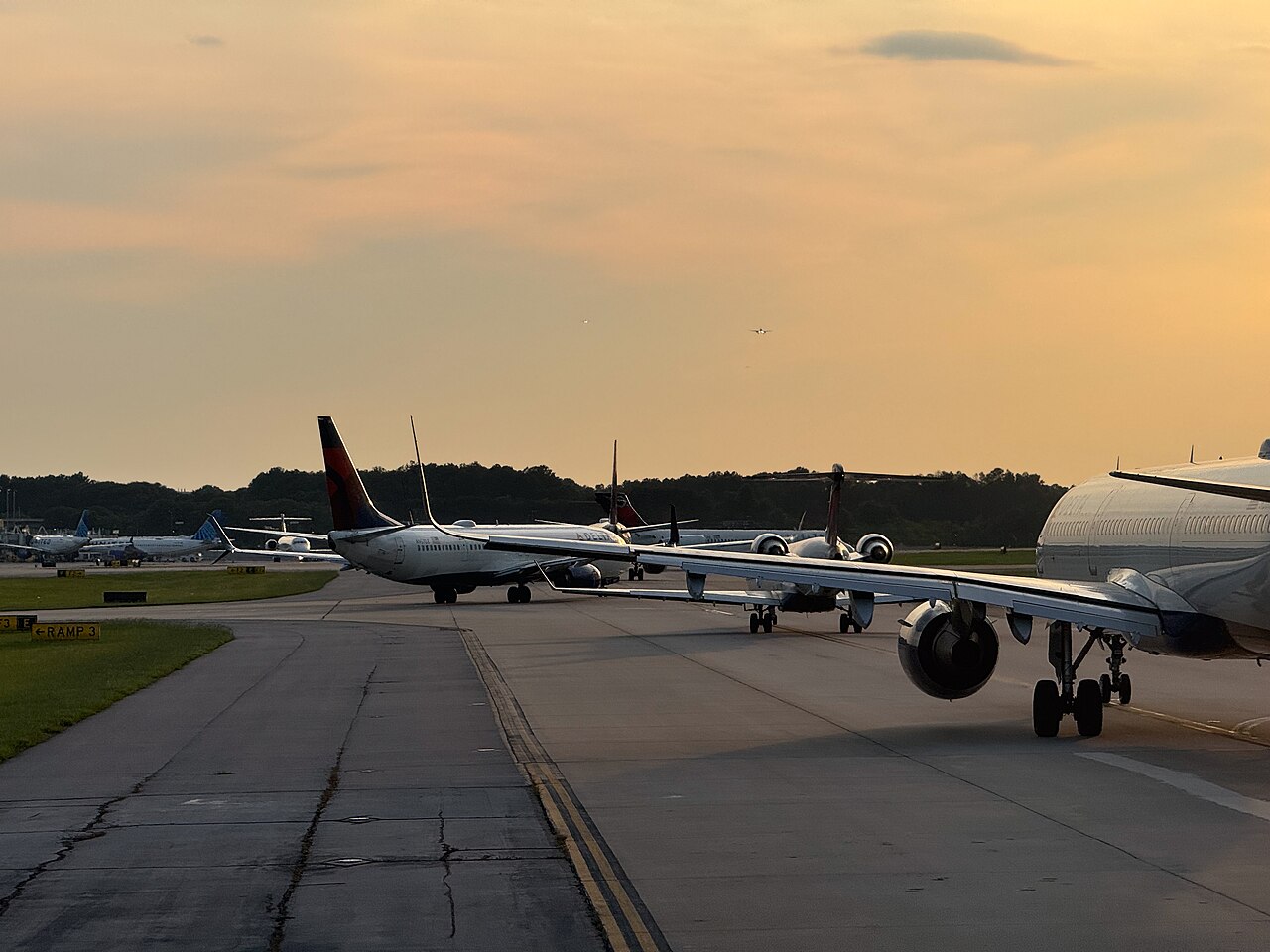
Delta Air Lines has warned that sharply higher fuel prices will eat into its profits, even as demand for travel remains strong. The carrier estimates that rising prices will add roughly $6 billion to its annual fuel bill, a figure large enough to force a weaker outlook for 2026 despite full planes and healthy bookings across its domestic and international network. The warning, highlighted in coverage of the latest financial markets news, captures the dilemma facing airlines worldwide: passengers are willing to fly, but the cost of flying them keeps climbing.
Fuel Is the Airline Industry’s Swing Factor
Jet fuel is typically an airline’s second-largest expense after labour, and its price is set in global markets that carriers cannot control. The current spike is tied to the same supply disruptions that have lifted oil prices across the board, linked to the conflicts in the Middle East and Ukraine. Unlike some rivals, Delta has historically hedged less of its fuel exposure, preferring to benefit when prices fall — a strategy that works beautifully in calm markets and hurts when prices surge. A $6 billion swing in a single cost line shows how quickly that bet can turn.
Strong Demand, Squeezed Margins
The frustration for Delta’s management is that the commercial picture is otherwise bright. Corporate travel has recovered, premium cabins are selling well, and the airline’s loyalty programme continues to generate high-margin revenue. Yet none of that fully offsets a fuel bill rising this fast. Airlines facing the same squeeze have limited options: raise fares and risk denting demand, trim marginal routes, accelerate the retirement of thirsty older aircraft, or accept thinner margins and explain them patiently to shareholders.
What It Means for Travellers and Investors
For passengers, the likely outcome is upward pressure on ticket prices, particularly on long-haul routes where fuel is a bigger share of the cost. For investors, Delta’s warning will shift attention to how each airline is positioned on fuel: which carriers hedged, which own refineries or efficient fleets, and which have the pricing power to pass costs on. Our business news section will follow how rivals respond as the industry reports its next round of results.
Delta’s message, in the end, is less about one airline than about the fragility of profit in an industry where the biggest single cost is priced by geopolitics. Strong demand gives carriers a cushion — but at $6 billion, even a strong cushion gets compressed.
