


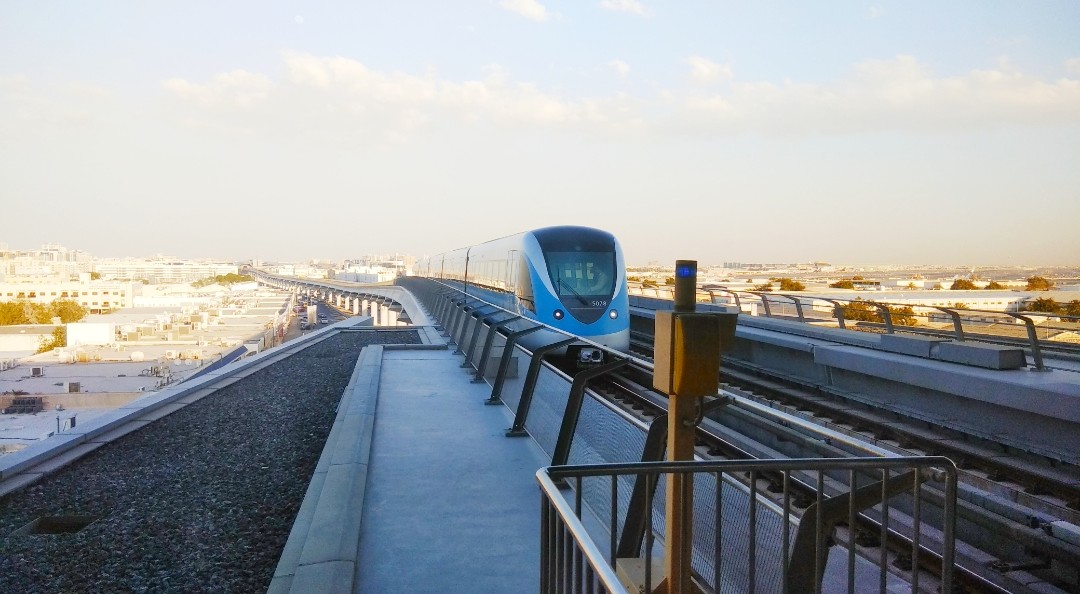
The UAE’s national passenger railway has carried its first wave of travellers, with Etihad Rail recording 120,000 ticket sales during the first 30 days of passenger services. The early numbers point to a strong public appetite for a new way of moving between the country’s cities, as residents test an alternative to long drives on busy highways and families plan weekend trips around the timetable instead of the traffic.
A Network Linking Four Emirates
The passenger network connects Abu Dhabi, Dubai, Al Dhaid and Fujairah, tying the capital and the country’s commercial hub to the east coast and the central corridor. For many commuters and weekend travellers, the railway offers a fixed schedule and a predictable journey in place of road traffic that can stretch a routine trip by an hour or more. Stations have been designed as gateways to their cities, with onward transport links intended to make the full journey work from door to door, whether the final leg is a bus, a taxi or a short walk.
Passengers who have made the trip describe a different rhythm of travel: no fuel stops, no parking queues, and time that can be spent reading, working or simply watching the desert and mountain scenery roll past the window. For residents of Fujairah in particular, a direct rail link to the two biggest cities has long been a talking point, and its arrival marks a genuine shift in how connected the east coast feels to the rest of the country.
Why the First Month Matters
Railway launches are judged less by opening ceremonies than by whether ordinary passengers come back for a second trip. Transport planners watch first-month sales closely because they reveal whether timetables, fares and station access match how people actually live and work. A six-figure start gives Etihad Rail a base to build on as frequencies increase and more travellers fold the train into their routines.
The figure also lands at a moment when the Emirates is investing heavily in shared transport, from metro extensions to intercity buses, in an effort to ease pressure on its roads and cut the emissions tied to millions of car journeys. Every passenger who switches an intercity trip from road to rail removes one more vehicle from the country’s busiest corridors.
What Comes Next for UAE Rail
The passenger service is the public face of a much larger freight and passenger programme that has been years in the making. Freight trains already move goods between ports and industrial zones, cutting lorry journeys and the congestion that comes with them. For passengers, attention now turns to punctuality, crowding at peak times and whether additional stations and routes will follow as demand grows.
If the early momentum holds, the railway could reshape how the country thinks about intercity travel, turning a car-first journey into a genuine choice between road and rail. Transport analysts say the next milestones to watch are repeat bookings, weekend leisure demand and how reliably the service performs through the busy winter season.
For now, 120,000 tickets in 30 days is a promising first chapter. The real test will be the months ahead, when the novelty fades and the railway has to win its passengers on reliability alone.
