


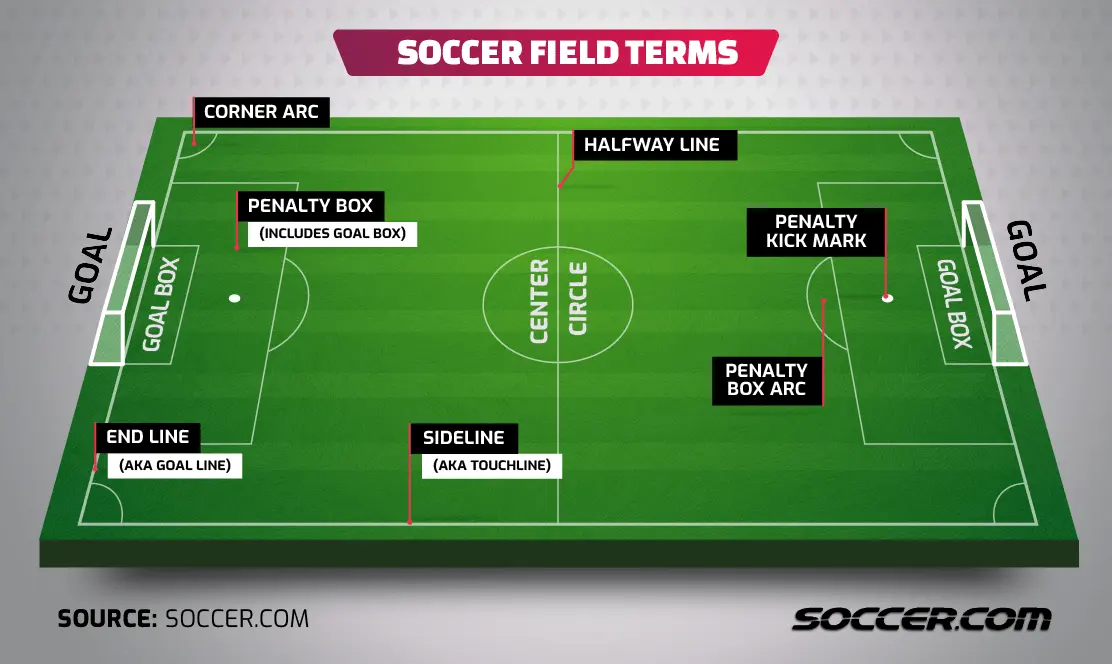
Understanding the Basics of Football Language
Football, known as soccer in some parts of the world, comes with its own set of terms that can feel confusing at first. Whether you’re watching a live match, reading commentary, or playing the game yourself, knowing the language helps you follow the action with confidence. Many beginners feel lost when commentators mention tactics, positions, or rules quickly. That’s where a simple guide can make all the difference. If you are just getting started or looking to sharpen your knowledge, learning these terms will help you enjoy the sport more deeply. This guide breaks things down clearly and practically so you can understand and use football vocabulary naturally. You might even come across platforms like OPEN88 while exploring football content online, where understanding these terms becomes even more useful.
Key Basic Terms You Should Know
- Goal: When the ball crosses the line into the net between the posts.
- Match: A game played between two teams.
- Half: Each game is divided into two halves, usually 45 minutes each.
- Referee: The official who enforces the rules.
- Pitch: The field where football is played.
Common Player Positions Explained Clearly
Every player on the field has a specific role, and knowing these positions helps you understand team strategy. Football teams typically have eleven players, each assigned a position based on their strengths and responsibilities. These positions are divided into defense, midfield, and attack. Once you recognize these roles, it becomes easier to follow how teams build attacks or stop opponents. For example, defenders stay back to protect the goal, while forwards focus on scoring.
Main Player Positions in Football
- Goalkeeper: The only player allowed to use hands, responsible for stopping goals.
- Defender: Protects the goal by stopping opposing attackers.
- Midfielder: Connects defense and attack, often controls the game flow.
- Forward: Focuses on scoring goals.
- Winger: A wide player who attacks from the sides of the pitch.
Essential Match Rules and Regulations
Understanding the basic rules is key to enjoying football. While the game is simple at its core, certain rules can confuse new viewers. For example, offside is one of the most misunderstood rules. The referee and assistant referees ensure that players follow all rules during the game. Learning these rules helps you avoid confusion and allows you to better appreciate decisions made during matches.
Important Rules to Remember
- Offside: A player cannot receive the ball if they are ahead of the last defender when the pass is made.
- Foul: Illegal physical contact with another player.
- Free Kick: Awarded after a foul.
- Penalty Kick: Given when a foul occurs inside the penalty area.
- Throw-in: Used to restart play when the ball goes out of bounds.
Attacking and Defensive Terms Made Simple
Football is a balance between attacking and defending. Teams constantly switch between trying to score and trying to stop goals. Understanding these terms helps you follow tactical changes during a match. When commentators talk about pressing, counterattacks, or formations, they are referring to how teams approach the game strategically.
Key Tactical Terms
- Counterattack: A quick attack after winning the ball.
- Pressing: Applying pressure to opponents to win the ball.
- Formation: The arrangement of players on the field.
- Tackle: Attempt to take the ball from an opponent.
- Clearance: Kicking the ball away from danger.
Passing, Shooting, and Ball Control Vocabulary
A big part of football revolves around how players handle the ball. Passing, shooting, and controlling the ball are core skills that define the quality of play. Commentators often use specific terms to describe these actions. Once you understand them, you’ll notice how they shape the rhythm of a match and influence outcomes.
Ball Skill Terminology
- Pass: Moving the ball to a teammate.
- Cross: A pass from the side into the center.
- Shot: An attempt to score.
- Dribble: Moving with the ball while avoiding defenders.
- First Touch: A player’s initial control of the ball.
Referee Signals and Match Decisions
Referees play a crucial role in football. Their decisions can change the course of a game. They use whistles, hand signals, and cards to communicate with players and spectators. Understanding these signals helps you follow the game more closely and reduces confusion during key moments. For More Visit: OPEN88 COM to explore more football-related insights and updates that make understanding the sport even easier.
Common Referee Signals
- Yellow Card: Warning for a player’s behavior.
- Red Card: Player is sent off the field.
- Advantage: Play continues despite a foul.
- Whistle: Stops or restarts play.
- Hand Signal: Indicates direction of free kick or throw-in.
Popular Football Phrases Used by Commentators
Football commentators often use phrases that add excitement to the game. These expressions can sound unfamiliar if you’re new to the sport. However, once you understand them, they become part of the fun. These phrases often describe moments of skill, tension, or drama during a match.
Common Commentary Expressions
- Back of the net: The ball has been scored.
- Man on: Warning that a defender is close.
- Through ball: A pass splitting the defense.
- On target: A shot heading toward the goal.
- Clean sheet: No goals conceded by a team.
Conclusion: Bringing It All Together to Help You Confidently Understand, Use, and Enjoy Football Terminology in Every Match You Watch or Play
Football terminology might seem overwhelming at first, but once you break it down, it becomes much easier to understand. Learning these terms helps you follow matches, enjoy commentary, and even communicate better with other fans. Over time, these words will feel natural, and you’ll start recognizing patterns in gameplay and strategy. The key is to stay curious and keep watching or playing the game. The more you engage with football, the more confident you’ll become in using its language.
Final Takeaways to Remember
- Start simple: Focus on basic terms first.
- Watch games: Hearing terms in context helps learning.
- Practice: Use the terms when discussing football.
- Stay consistent: Repetition improves understanding.
- Enjoy the process: Learning football language should be fun
