


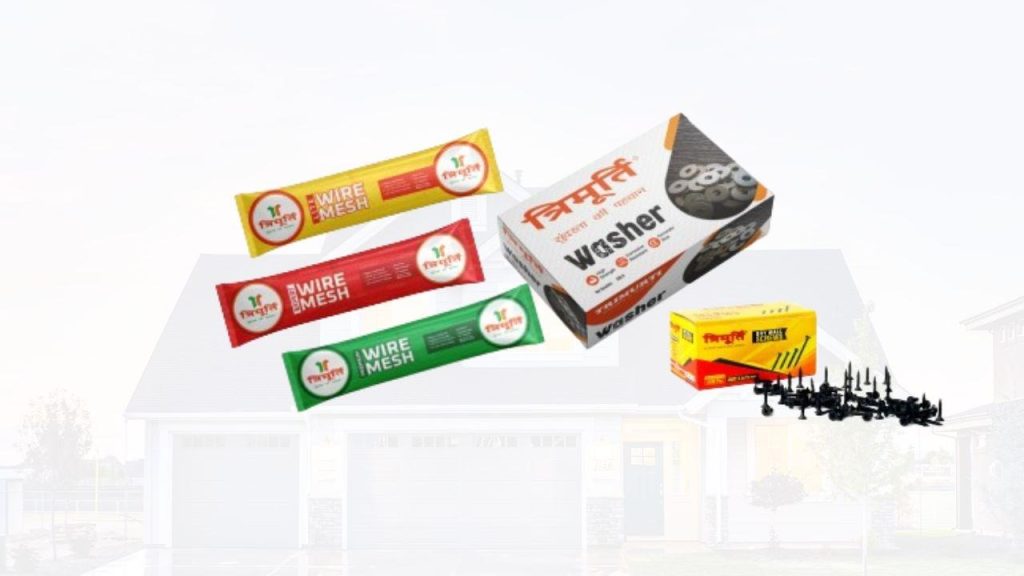
In modern interior design, ceilings are no longer just a structural element; they are a vital component of aesthetics, functionality, and ambiance. Partnering with a reliable false ceiling manufacturer allows architects, designers, and homeowners to create ceilings that are both visually appealing and structurally sound. False ceilings enhance lighting, improve acoustics, and conceal unsightly wiring or ductwork, transforming a simple room into a stylish and functional space. Selecting the right manufacturer ensures high-quality materials, precision installation, and design flexibility tailored to specific architectural requirements.
False ceilings have become an integral part of residential, commercial, and institutional spaces. Their versatility allows designers to experiment with shapes, layers, textures, and materials, giving each project a unique identity.
Understanding False Ceilings
A false ceiling, also known as a dropped or suspended ceiling, is an additional ceiling installed below the main structural ceiling. It can be made using various materials such as gypsum, metal, wood, or plaster, and provides both functional and decorative benefits.
Key Benefits of False Ceilings
- Aesthetic Appeal: Layered designs, cove lighting, and modern textures create visually striking interiors.
- Acoustic Comfort: False ceilings absorb sound, reducing noise levels in busy areas like offices and auditoriums.
- Thermal Insulation: They help maintain indoor temperature, making spaces more energy-efficient.
- Concealment: Wires, ducts, and pipes can be hidden without affecting the room’s aesthetics.
- Easy Maintenance: Modular ceiling panels allow easy replacement or repair without disrupting the entire ceiling.
A professional false ceiling manufacturer ensures that all these benefits are achieved while adhering to safety and durability standards.
Types of False Ceilings
Understanding the different types of false ceilings helps in selecting the right design and material for your space.
1. Gypsum False Ceiling
Gypsum boards are lightweight, fire-resistant, and easy to shape into intricate designs. They provide a smooth finish, making them ideal for contemporary interiors.
2. Metal False Ceiling
Metal panels offer a sleek, industrial look and are highly durable. They are often used in commercial spaces, showrooms, and offices.
3. Wooden False Ceiling
Wood adds warmth and texture to interiors. Wooden panels are perfect for luxury homes and spaces requiring a natural aesthetic.
4. POP (Plaster of Paris) Ceiling
POP ceilings are versatile and allow creative molding and patterns, perfect for residential spaces and hotels.
Selecting the right type of ceiling depends on the function of the room, budget, and design requirements.
Materials and Components in False Ceilings
High-quality materials and components are crucial to the durability and performance of false ceilings. Some essential elements include:
- Ceiling Panels: The visible portion that forms the ceiling surface.
- Suspension System: Grid framework to hold panels securely.
- Fasteners: Screws, hooks, and brackets to attach panels to the framework.
- Insulation Materials: For thermal and acoustic efficiency.
The choice of a trusted false ceiling manufacturer ensures that all materials are durable, safe, and compliant with building standards.
Importance of Fasteners in False Ceiling Installation
Fasteners are critical to maintaining the stability and safety of false ceilings. Using high-quality fastener for false ceiling prevents sagging, cracking, or misalignment over time.
Key Types of Fasteners
- Hanging Hooks: Secure the ceiling to the structural roof.
- Screws and Bolts: Keep panels tightly in place.
- Brackets and Clips: Support modular or removable panels.
Proper installation of fasteners ensures that ceilings remain safe, stable, and long-lasting, while also supporting any decorative or functional load, such as lighting fixtures.
Design Trends in False Ceilings
Modern interiors leverage false ceilings not only for functionality but also for aesthetic innovation. Popular design trends include:
- Layered Ceilings: Multiple levels create depth and visual interest.
- Cove Lighting Integration: LED strips hidden within ceiling recesses provide ambient lighting.
- Geometric Patterns: Shapes like hexagons, waves, and curves add contemporary flair.
- Combination Materials: Mixing gypsum, wood, and metal panels for a unique look.
- Minimalist Designs: Clean, simple lines for modern and corporate interiors
These trends highlight how false ceilings can become a central feature rather than just a structural necessity.
Maintenance and Durability
A well-installed false ceiling requires minimal maintenance but choosing quality materials and components extends longevity. Regular inspection ensures that:
- Panels remain firmly in place.
- Fasteners and suspension systems are intact.
- No water leakage or pest damage occurs.
Using high-quality products and installation from experienced professionals ensures that false ceilings remain durable and aesthetically appealing for years.
Role of Gypsum Plaster in Enhancing False Ceilings
Gypsum plaster provides exceptional strength, smoothness, and fire resistance to ceilings, making it a preferred choice for modern interiors. It allows precise molding, filling, and finishing of joints, ensuring a seamless, polished, and professional appearance. In addition to its aesthetic benefits, gypsum plaster enhances overall durability, minimizes the risk of cracking over time, and contributes to improved acoustic performance, creating a comfortable and long-lasting ceiling solution for both residential and commercial spaces. Its versatility also allows designers to create intricate patterns and customized finishes that elevate the overall interior design.
Cost Considerations
While the initial investment in a high-quality false ceiling may seem higher, the long-term benefits in energy efficiency, durability, and aesthetics outweigh costs. Factors affecting cost include:
- Type of material (gypsum, metal, wood)
- Ceiling design complexity
- Quality of fasteners and suspension systems
- Labor and installation charges
Budgeting for premium materials and certified installation services ensures long-term satisfaction and value.
Conclusion
False ceilings combine functionality, design, and durability, enhancing both aesthetics and comfort. From improved lighting and acoustics to thermal insulation and hiding utilities, they offer multiple benefits. Choosing a reliable false ceiling manufacturer and using quality Trimurti gypsum plaster ensures visually appealing, structurally sound ceilings, while the right fastener for false ceiling guarantees stability and long-lasting performance.
If you are looking for premium gypsum plaster and false ceiling solutions, Trimurti offers comprehensive products and services for modern interiors. Trimurti specializes in high-quality gypsum plaster, false ceiling materials, and installation solutions. The company emphasizes durability, aesthetic appeal, and compliance with industry standards. By combining innovative materials with expert support, Trimurti empowers architects, designers, and homeowners to create elegant, durable, and visually striking ceilings that elevate interior spaces.
