


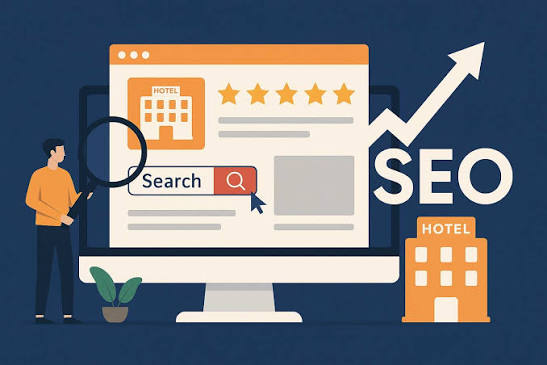
The way people discover and book hotels has changed significantly. Travellers now research destinations, compare accommodation options, read customer reviews, and check facilities online before making a reservation. For hotels, this creates an opportunity to reach potential guests earlier in their decision-making process and present their property as a suitable choice.
However, simply having a website is not enough. Hotels need a digital strategy that makes their property easy to discover, provides helpful information, and encourages visitors to complete their bookings. Search engine optimization and digital marketing can help hospitality businesses build visibility, communicate their value, and develop stronger relationships with travellers.
Building a Recognizable Hotel Brand Online
A hotel’s digital presence often creates the first impression for a potential guest. Website design, photography, room descriptions, customer reviews, and accessible booking options all influence how travellers perceive a property.
Working with a Hotels Digital Marketing Agency can help hotels develop a consistent brand identity across search engines, social media platforms, and other digital channels. A coordinated strategy ensures that the hotel’s messaging reflects its location, facilities, hospitality standards, and target audience.
For example, a boutique hotel may focus on personalized experiences and local culture, while a business hotel may highlight conference facilities, convenient transport links, and reliable services. Understanding these differences helps create marketing campaigns that appeal to the right travellers.
Improving Search Visibility With Hotel SEO
When travellers search for accommodation, they often use specific phrases related to their destination, budget, or preferred facilities. Hotels that understand these search patterns can develop website content that addresses the needs of potential guests.
Effective Hotel SEO Services begin with keyword research and website analysis. These activities help identify relevant search opportunities, evaluate competing properties, and determine which website pages require improvement.
Hotels can optimize individual pages for room types, restaurants, wedding venues, conference facilities, and special packages. Clear page titles, informative headings, descriptive content, and relevant internal links help visitors navigate the website while providing search engines with useful context.
Technical SEO is equally important. A hotel website should load efficiently, display correctly on mobile devices, and provide a secure and straightforward booking experience. Resolving indexing issues, broken links, and slow-loading pages can improve accessibility and support organic search performance.
Using Local SEO to Reach Travellers Nearby
Location is one of the most important factors in hotel searches. Travellers may look for accommodation near airports, railway stations, business districts, tourist attractions, or event venues. Local SEO helps hotels improve their visibility for geographically relevant searches.
Maintaining an accurate Google Business Profile is an important starting point. Hotels should keep their address, contact information, amenities, photographs, and operating details updated. Responding thoughtfully to guest reviews also demonstrates that the business values customer feedback.
Location-focused website content can provide additional value. A hotel might publish information about nearby attractions, transport options, shopping areas, and popular restaurants. This helps travellers understand the convenience of the property while making the website more useful.
Creating Content That Supports Booking Decisions
Travellers often have questions before choosing accommodation. They may want to know about parking, breakfast, family-friendly facilities, accessibility, cancellation policies, or nearby activities.
Hotels can address these questions through detailed service pages, frequently asked questions, destination guides, and travel-related blog articles. Useful content can establish credibility and help prospective guests evaluate whether a property meets their requirements.
Visual content also plays an important role. High-quality images of rooms, dining areas, recreational facilities, and common spaces allow visitors to develop a clearer understanding of the guest experience. All promotional materials should accurately represent the property and its available services.
Social Media and Paid Campaigns for Greater Reach
Social media allows hotels to showcase experiences, communicate seasonal offers, and engage with travellers. Regular posts featuring property highlights, local attractions, dining experiences, and guest activities can help maintain brand awareness.
Paid advertising can complement organic marketing by reaching people interested in specific destinations or travel experiences. Hotels can develop campaigns around seasonal demand, events, holiday packages, and special accommodation offers.
An integrated marketing strategy connects these campaigns with relevant landing pages and clear booking options. Tracking enquiries, reservations, and campaign costs helps hotel managers understand which channels contribute to business performance.
Measuring Results and Improving Performance
Successful hotel marketing requires ongoing monitoring. Website traffic alone does not reveal whether a campaign is attracting guests who are likely to book.
Hotels should evaluate organic search visibility, booking enquiries, completed reservations, website engagement, and direct booking revenue where reliable tracking is available. These insights can reveal opportunities to improve website content, simplify the booking journey, and refine advertising campaigns.
Regular analysis also helps hotels respond to seasonal changes and evolving traveller preferences. Instead of relying on assumptions, businesses can use performance data to guide their marketing decisions.
Conclusion
A strong digital presence helps hotels connect with travellers, communicate their unique advantages, and compete more effectively in the hospitality market. Combining SEO, local search optimization, useful content, social media, and conversion-focused website improvements creates a more complete approach to online growth.
With a well-planned strategy and consistent performance monitoring, hotels can increase their discoverability, improve the guest booking experience, and create more opportunities for direct reservations. Investing in digital marketing today can help hospitality businesses build stronger customer relationships and support long-term growth.
