


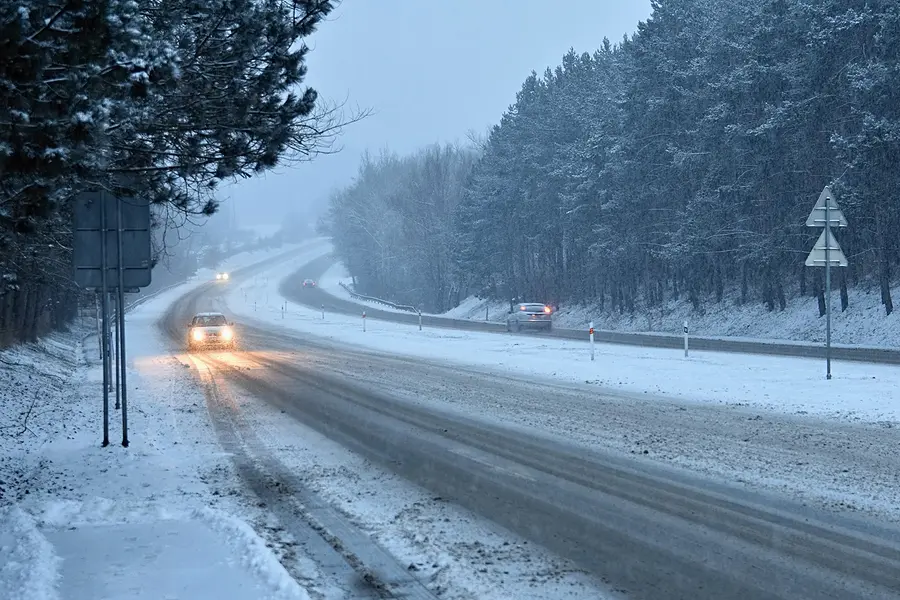
Car accidents often result from a mix of factors. While driver behavior is a major component, road conditions can play an equally important role in causing or contributing to a crash. Understanding how road conditions affect liability helps drivers protect themselves and ensure fair compensation if they are involved in an accident.
Liability refers to who is legally responsible for an accident. When roads are poorly maintained, icy, or otherwise hazardous, responsibility may shift, either partially or fully, from one driver to another or even to local authorities.
So here are 9 ways road conditions influence liability after a car accident.
Potholes and Uneven Pavement
Potholes and uneven pavement create unexpected obstacles for drivers. Swerving to avoid them or losing control due to a pothole can lead to collisions.
Liability in these situations may involve multiple parties. Drivers must maintain control and adjust speed according to conditions, but municipalities may also be responsible if they fail to repair hazardous roads. Proper documentation, like photographs and GPS coordinates, helps establish the role of road conditions in the accident.
Poorly Maintained Traffic Signs and Signals
Traffic signs and signals that are faded, missing, or damaged can mislead drivers and contribute to accidents. In some cases, liability may fall partially on city authorities for failing to maintain proper signage.
Philadelphia Uber & Rideshare accident lawyers at Cousin Benny Injury Lawyers, shares, “Accidents caused by unclear or missing traffic signals show how important proper road maintenance is. Evidence like photos of damaged signs or malfunctioning lights can demonstrate negligence and protect drivers from unfair liability.”
Keeping a record of the road conditions at the scene, including signs, signals, and any obstructions, strengthens a case and shows how these factors contributed to the crash.
Wet or Icy Roads
Rain, snow, and ice significantly affect traction and stopping distance. Drivers must adjust speed and maintain control, but slippery conditions can still cause accidents unexpectedly.
Liability may be shared if the road was not properly treated, salted, or drained. Local authorities and property owners have a responsibility to maintain safe roadways. Detailed evidence like weather reports, accident photos, and tire skid marks can illustrate how road conditions played a role.
Construction Zones
Construction zones often have temporary lane changes, barriers, and uneven surfaces. Accidents in these zones can result from driver error, unclear signage, or improper construction site management.
Liability may extend beyond the drivers to construction companies or municipalities if signage or warnings were inadequate. Drivers should document the area, including cones, barricades, and detours, to show how conditions contributed to the crash.
Debris on the Road
Debris such as fallen branches, broken glass, or vehicle parts can cause drivers to swerve or lose control.
Liability in debris-related accidents may include municipalities, private property owners, or other drivers who caused the debris. Gathering evidence, including photographs, witness statements, and police reports, helps establish the presence of hazardous objects that contributed to the accident.
Poor Lighting
Stephen J. Bardol, Esq, Managing Attorney of Bardol Law Firm says, “Accidents often happen at night or in poorly lit areas. Dim or non-functional streetlights reduce visibility and make hazards harder to detect.”
When visibility is limited due to poor lighting, determining liability involves assessing whether the driver acted reasonably and whether the city or property owner maintained adequate lighting. Photographs and witness statements can help demonstrate how the lack of proper lighting contributed to the accident.
Road Design Issues
Sharp curves, blind intersections, or steep inclines can increase accident risk. Poorly designed roads may contribute to crashes even when drivers follow traffic rules.
Liability in these cases can extend to road authorities if design flaws create unreasonable hazards. Demonstrating how the design contributed to the accident, using expert opinions and diagrams, strengthens a case and helps assign appropriate responsibility.
Inadequate Drainage and Flooded Roads
Standing water or flooded roads can cause a car to hydroplane, which means your tires lose traction and your vehicle slides uncontrollably. Even experienced drivers can struggle to maintain control, making accidents more likely. Roads with poor drainage create hazards that drivers cannot reasonably avoid, especially during heavy rain or after storms.
Municipalities or property owners responsible for maintaining drainage systems may be partially liable if they fail to keep roads safe. Evidence is key in these cases. Take clear photos of the water, note the location and time, and keep records of vehicle damage or injuries.
Weather reports showing rainfall or flooding can also help demonstrate that road conditions played a role. Gathering this evidence protects you from being unfairly blamed and can strengthen any insurance claim or legal case. Prompt reporting and proper documentation ensure road hazards are properly addressed.
Lack of Proper Road Markings
Faded lane lines, missing crosswalks, or unclear arrows can easily confuse drivers. When markings are hard to see or missing, drivers may drift into another lane, miss a turn, or fail to stop at intersections. These mistakes can lead to collisions, even if the driver is being careful.
Liability may fall partly on local authorities or property owners if unclear or missing markings contributed to the accident. It’s important to document everything at the scene. Take photos or videos showing the faded or missing lines, note the location and road conditions, and write down how the unclear markings affected your actions.
Proper documentation helps establish that the road contributed to the accident. Keeping this record not only strengthens claims but also protects drivers from being unfairly blamed when road conditions make safe driving difficult.
Conclusion
Road conditions play a critical role in accidents and can affect liability in many ways, from potholes and icy roads to poor lighting and unclear traffic signals. Understanding these factors helps drivers gather proper evidence, protect their rights, and ensure fair treatment in insurance claims or legal proceedings.
Also, be aware of road hazards, taking detailed notes, and consulting with an experienced lawyer ensures you are not unfairly held responsible. These steps also strengthen your case if compensation is needed for medical bills, repairs, or other damages.