


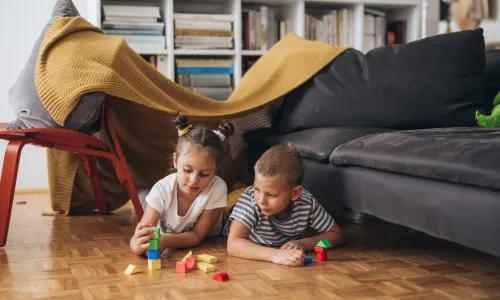
The modern family diary is often a tapestry of colour-coded appointments, extracurricular clubs, and scheduled playdates. While these activities have merit, the spaces in between are shrinking. We often view a quiet moment as a problem to be solved or a void to be filled. However, the ability to sit with oneself, without a screen or a set instruction, is a vital life skill. Helping children engage with unstructured downtime allows them to develop independence, creativity, and emotional resilience.
The Value of Doing Nothing
Constant stimulation prevents the brain from resting and resetting. When children claim they are bored, it is not a signal that parents must become cruise ship entertainment directors. Instead, it is an invitation for the child’s brain to wake up. It is in these quiet moments that imagination takes root. A stick becomes a sword, a cardboard box becomes a castle, and thoughts are processed. By rushing to fix boredom, we inadvertently rob children of the opportunity to discover their own interests and solve their own problems.
Resist the Urge to Intervene
Adults often feel guilty when their children are not ‘doing’ something productive. We must redefine what productivity looks like for a child. Staring out of a window or lying on the floor daydreaming is productive for a developing mind. When a child wanders aimlessly, try to hold back. Wait before offering a suggestion or turning on the television. Allow the discomfort of boredom to peak; usually, a creative idea follows shortly after. Standing back takes resolve, yet the reward is a youngster who can entertain themselves without needing an audience.
Support Children in Care
If you are a foster carer with Foster Care Associates Scotland, easing into downtime works best. Ideally, free time feels relaxing, but for a child with a history of trauma or neglect, a lack of structure can feel dangerous. Empty hours often trigger alarm bells rather than creativity.
Instead of expecting them to play solo, try staying nearby. You could sort the laundry or read on the sofa while they occupy themselves in the same room. Your physical presence acts as a safety anchor. It teaches them that independence does not mean abandonment. Slowly, they will learn that it is safe to explore their own ideas without needing constant direction to feel secure.
Set the Stage for Free Play
Environment plays a massive role in how downtime is utilised. If the path of least resistance is a tablet or a video game, unstructured time will vanish. Keep open-ended materials accessible. Art supplies, building blocks, and dressing-up clothes should be within reach. These items do not have a ‘right’ way to be used, which encourages experimentation.
Cultivating a household that values rest takes time. There will be complaints of boredom and requests for screens. However, by holding the boundary and valuing the quiet, you provide children with the mental space they need to grow. Whether you are a biological parent or a foster carer, prioritising these moments teaches children that it is safe, healthy, and enjoyable to simply be.