


Launching a cosmetics brand does not always require owning a laboratory, production line or packaging facility. Many beauty businesses start by working with an experienced manufacturer that can develop, produce and package products under the client’s own brand.
This model is especially useful for companies that want to enter the market faster, test a new product line or expand an existing portfolio. The key is understanding what private label production includes and which decisions must be made before the first batch is manufactured.
Why private label is popular in the beauty industry
The cosmetics market is highly competitive, but it also creates space for specialised brands. Customers look for products dedicated to specific needs, routines, ingredients, skin types, values and visual identities.
Private label allows a brand owner to focus on positioning, marketing, sales channels and customer experience. The manufacturing partner handles the technical production process, formula development options, quality control and packaging requirements.
This approach can reduce the entry barrier compared with building production infrastructure from scratch. It also gives more flexibility when testing new categories, such as nail products, colour cosmetics, care cosmetics or seasonal collections.
What should be defined before starting a private label project?
Before contacting a manufacturer, the brand owner should define the business goal. A product created for drugstore distribution will require a different approach than a boutique cosmetics line, e-commerce brand or salon-exclusive product.
The target customer should also be clear. Products for teenagers, professionals, beauty salons, natural beauty customers or premium retail shelves need different formulas, packaging, price points and communication.
At this stage, it is worth deciding whether the brand should focus on one strong product or a broader product line. Starting too wide can increase complexity, especially when the brand is still testing market demand.
When does private label make strategic sense?
Private label is a strong option when a company has a brand idea, distribution channel or market niche, but does not want to manage full-scale production independently. It can also work for retailers, beauty salons, influencers, e-commerce stores and established brands expanding into new product categories.
For companies looking for private label cosmetics, the main value lies in combining brand ownership with professional manufacturing support. This helps turn a product concept into a market-ready cosmetic while keeping the client’s branding at the centre of the project.
The model is also useful when speed matters. A manufacturer experienced in cosmetics production can help avoid many technical mistakes that would be difficult and expensive for a new brand to solve alone.
What elements shape a successful cosmetics product?
A successful cosmetic is not only a good formula. It must also have clear positioning, reliable quality, attractive packaging, compliant labelling and a price that matches the target market.
The product should answer a specific customer need. A nail polish, remover, lip product, care cosmetic or beauty accessory must be easy to understand from the shelf, product page or social media post.
Consistency is also important. Formula, packaging, name, colour palette, claims and brand story should work together rather than feel like separate decisions made at different stages.
How to choose the right product category
The best product category depends on the brand’s target audience and sales strategy. Some brands start with one hero product, while others launch a small collection to create a fuller customer experience.
When choosing a category, it is worth analysing:
- customer need and search demand,
- production complexity,
- packaging requirements,
- minimum order quantities,
- shelf life and storage conditions,
- margin potential,
- visual appeal in online sales.
A product that looks attractive on social media may not always be the easiest to produce or sell profitably. The commercial side should be analysed together with the creative concept.
Why formulation and quality control matter
In cosmetics, quality must be repeatable. Customers expect the same texture, colour, scent, application and performance every time they buy the product.
This is why cooperation with an experienced manufacturer is important. The production process should include appropriate controls, stability considerations and compliance with cosmetic market requirements.
Ados supports beauty projects where product quality, manufacturing experience and brand adaptation are important. For private label clients, this can mean a more structured path from concept to finished product.
How packaging affects customer perception
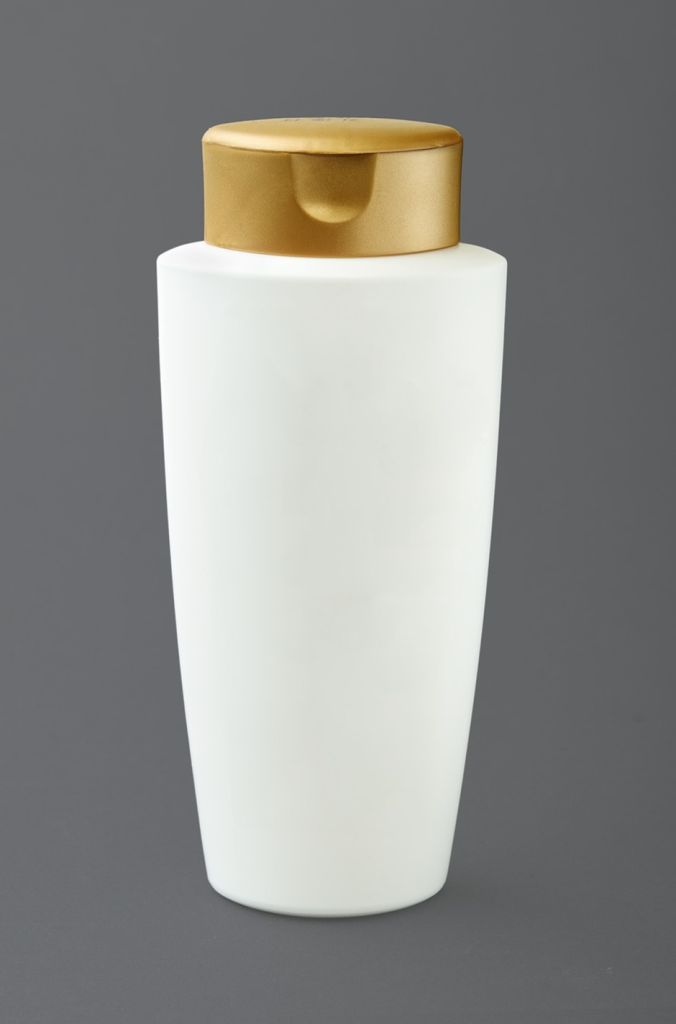
Packaging is often the first thing a customer notices. It influences whether the product looks premium, professional, natural, playful, clinical or mass-market.
The packaging must also be practical. It should protect the formula, make the product easy to use and provide enough space for required information.
In private label projects, packaging decisions should be made early. The selected bottle, tube, jar, brush, cap, box or label can affect production timelines, costs and the final visual identity of the product.
What mistakes should new cosmetics brands avoid?
One common mistake is focusing only on visual branding while ignoring formula quality and customer expectations. A beautiful product will not build loyalty if it does not perform well.
Another problem is launching too many products at once. A broad range may look impressive, but it requires more capital, logistics, testing, stock control and marketing support.
Brands should also avoid vague positioning. If the product is “for everyone”, it may be harder to communicate why customers should choose it over established competitors.
How to prepare for cooperation with a manufacturer
A brand owner should prepare a clear brief before starting cooperation. It should describe the product idea, target group, expected effect, preferred packaging, price segment, distribution channel and planned launch timeline.
The more specific the brief, the easier it is to discuss technical possibilities. It also helps the manufacturer suggest realistic options and identify potential limitations early.
A good private label project is a collaboration between market vision and manufacturing expertise. The brand knows the customer, while the manufacturer understands how to turn the concept into a safe, repeatable and commercially viable product.
Frequently asked questions (FAQ)
What does private label mean in cosmetics?
Private label means that products are manufactured by a specialist producer and sold under another company’s brand. The brand owner can focus on marketing, sales and positioning while the manufacturer handles production.
Is private label suitable for new beauty brands?
Yes, it can be suitable for new brands that want to enter the market without building their own production facility. The key is choosing the right product category, positioning and manufacturing partner.
Can private label cosmetics be customised?
Yes, depending on the manufacturer and project scope. Customisation may include formula options, colour, fragrance, packaging, labelling and product line structure.
What should be included in a cosmetics production brief?
A good brief should include the product type, target customer, desired effect, packaging preferences, market positioning, expected price level and launch plans. Clear information helps reduce delays and misunderstandings.
Why is packaging important in private label cosmetics?
Packaging affects product safety, usability, shelf appearance and brand perception. It also influences production costs, logistics and how customers understand the product before purchase.
