


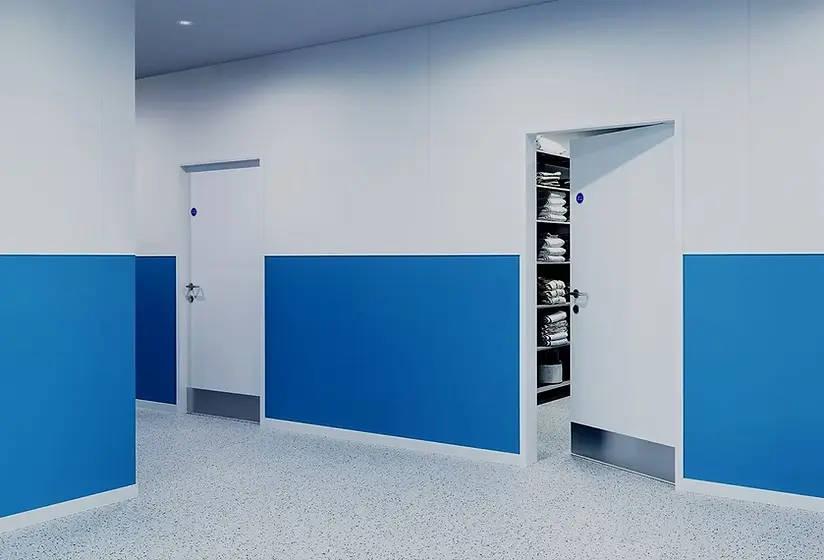
Hygiene wall cladding is a durable wall protection system designed to create clean, waterproof, and easy-to-maintain surfaces in environments where cleanliness is a priority. Commonly installed in commercial kitchens, healthcare facilities, food production areas, washrooms, schools, laboratories, and domestic properties, hygiene wall cladding provides a practical alternative to traditional wall finishes such as paint, plaster, and ceramic tiles.
By creating a smooth, non-porous surface that can withstand regular cleaning and moisture exposure, hygiene wall cladding helps maintain professional standards while protecting walls from damage and wear.
What Is Hygiene Wall Cladding?
Hygiene wall cladding consists of rigid wall panels fixed directly onto existing walls to form a protective surface layer. These panels are typically manufactured from materials such as PVC, antimicrobial PVC, or stainless steel, depending on the intended application.
Unlike tiled walls, hygiene wall cladding systems reduce exposed joints and eliminate grout lines that can harbour dirt, mould, and bacteria. The result is a cleaner and more hygienic wall surface that is easier to maintain and better suited to demanding environments.
The panels are usually installed alongside trims, adhesives, and hygienic sealants to create a fully integrated wall protection system.
Benefits of Hygiene Wall Cladding
One of the main reasons businesses choose hygiene wall cladding is its easy-clean surface. Dirt, grease, food residue, and other contaminants can be removed quickly using standard cleaning products, helping maintain high standards of cleanliness.
Moisture resistance is another major advantage. Hygiene wall cladding does not absorb water, making it ideal for environments exposed to steam, splashes, humidity, and frequent washing.
Durability is equally important. Many hygiene wall cladding systems are designed to withstand impacts, cleaning chemicals, and heavy daily use without deteriorating.
The bright and professional appearance of hygienic wall panels also helps create cleaner and more welcoming environments.
Types of Hygiene Wall Cladding
Several types of hygiene wall cladding are available to suit different sectors and budgets.
PVC hygiene wall cladding is one of the most popular options because it is affordable, lightweight, and easy to install. It is commonly used in kitchens, washrooms, healthcare facilities, and domestic spaces.
Antimicrobial wall cladding incorporates technology designed to help reduce bacterial growth on the panel surface, making it particularly suitable for healthcare and food production environments.
Stainless steel wall cladding offers exceptional durability, heat resistance, and hygiene performance for commercial kitchens, laboratories, and industrial facilities.
Impact-resistant wall panels are designed for areas where walls are exposed to heavy traffic, equipment, or regular impacts.
Commercial Applications
Hygiene wall cladding is widely used in commercial kitchens because it provides food-safe, easy-clean wall surfaces that support hygiene compliance and simplify maintenance.
Hospitals, clinics, care homes, and laboratories use hygienic wall systems to support infection control and create surfaces that can withstand regular disinfection.
Food processing facilities and manufacturing plants benefit from wall cladding that resists moisture and allows for thorough cleaning without damaging the wall surface.
Schools, leisure centres, veterinary practices, and public washrooms also commonly use hygiene wall cladding to improve durability and reduce maintenance requirements.
Domestic Applications
Although often associated with commercial environments, hygiene wall cladding is increasingly popular in residential properties.
Bathrooms benefit from waterproof wall panels that eliminate grout maintenance and create a modern appearance. Kitchens use hygienic wall cladding as an alternative to tiles, providing seamless splashback protection and easier cleaning.
Utility rooms, garages, workshops, and home gyms also benefit from the moisture-resistant and durable nature of hygienic wall systems.
Installation and Finishing Components
Installing hygiene wall cladding typically involves fixing panels directly to prepared walls using specialist adhesives.
Trims and profiles are fitted around corners, edges, and joins to create a professional finish while helping maintain hygiene standards. Hygienic silicone sealants are applied where required to prevent moisture ingress and create watertight joints.
Many installations also include ceiling cladding, skirting systems, and coving to create a fully integrated hygienic environment.
Maintenance and Long-Term Performance
One of the biggest advantages of hygiene wall cladding is its low maintenance requirements. Regular cleaning with suitable cleaning products is usually all that is required to keep the panels looking clean and professional.
The panels resist moisture, mould, staining, and everyday wear, helping reduce maintenance costs and prolonging the life of the installation.
Because they require minimal upkeep, hygiene wall cladding systems provide excellent long-term value for both commercial and domestic users. Keeping moisture under control behind walls and below the surface is equally important, as hidden water intrusion can compromise even the most durable interior finishes over time. Professional services from Better Basements and Waterproofing can help prevent basement leaks and excess humidity, creating a dry environment that supports the long-term performance of your wall cladding system.
A Practical Solution for Clean Environments
Hygiene wall cladding offers an effective combination of cleanliness, durability, and ease of maintenance. Its ability to withstand moisture, regular cleaning, and heavy daily use makes it one of the most practical wall protection solutions available today.
Whether installed in a commercial kitchen, healthcare facility, food production area, school, or home, hygiene wall cladding provides a reliable and professional finish that helps create cleaner, safer, and more efficient environments.
