


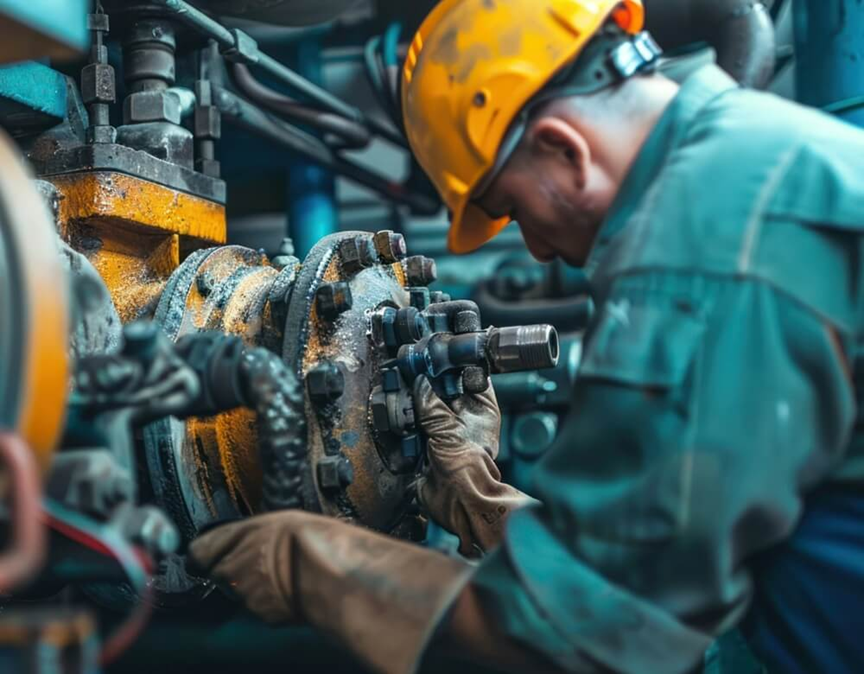
Marine equipment operates in demanding conditions, which means that even minor irregularities can develop into more serious failures over time. As Etmal experts point out, regular diagnostics make it possible to monitor the technical condition of key components and respond to the first signs of wear before they affect the operation of the entire vessel. This applies, among other things, to deck cranes, steering gears, winches, anchor windlasses, hydraulic systems and hatch cover systems. Systematic equipment inspections increase the chances of detecting irregularities quickly and planning the necessary servicing work appropriately.
What warning signs should you look out for?
The first sign of a problem with marine equipment is often not complete failure, but rather a change in the way it normally operates. Unusual noises, vibrations, reduced performance, irregular operation of a mechanism or an increased time required to perform a particular movement should all be treated as warning signs. In hydraulic systems, important indicators can also include oil leaks, pressure fluctuations, overheating or visible damage to hoses. Problems can also occur in electrical components and control systems, causing difficulties when starting the equipment or an incorrect response to operator commands. During diagnostics, it is important not only to confirm that a particular symptom exists, but above all to determine its underlying cause. This helps prevent situations in which replacing or repairing a single component fails to solve the problem and the fault reappears shortly afterwards.
What does marine equipment diagnostics involve?
The scope of diagnostics is determined each time according to the type and design of the equipment and the irregularities that have been observed. An inspection may include measurements of hydraulic oil pressure, flow and temperature, checking system tightness, and assessing the condition of pumps, cylinders, valves and hoses. In the case of mechanical equipment, the condition of bearings, connections, moving parts and structural components is assessed, while electrical systems require inspection of the relevant components and control systems.
Etmal uses specialised measuring and diagnostic equipment, including a mobile hydraulic diagnostics workshop and equipment for checking oil contamination levels. When necessary, hydraulic systems can also be flushed and filtered, along with additional tests to confirm that the equipment is operating within the required parameters.
Diagnostics as part of service planning
Regular technical inspections not only help detect faults but also make it easier to plan servicing and overhaul work. Instead of waiting for a failure to occur, worn seals, hoses, bearings, pumps and other components can be replaced at an appropriate stage.
Etmal carries out repairs and inspections both directly on vessels and at its workshop facilities in Gdynia, while its mobile teams can perform work in ports and shipyards around the world. In the case of more complex problems, diagnostics can serve as the first stage of a larger overhaul or modernisation project involving hydraulic, mechanical and electrical systems. Each service can be documented in a service report, making it easier to track the equipment’s technical history and plan future inspections.
Early detection of irregularities increases the chances of resolving problems efficiently, limiting the scope of repairs and keeping marine equipment in good technical condition.
