


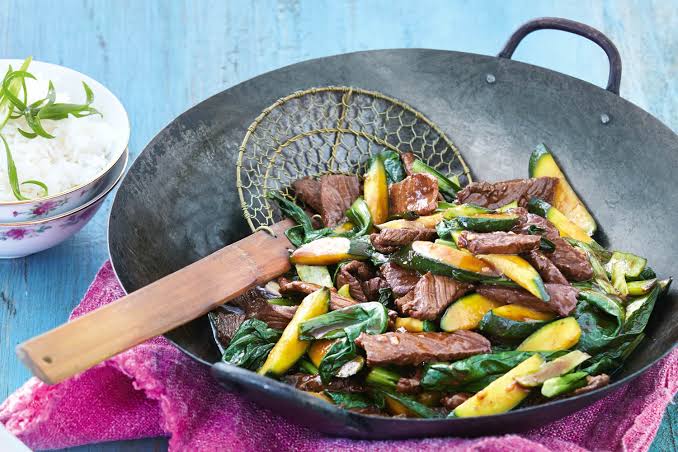
Stir-fry is one of the easiest and most rewarding cooking techniques to learn. Originating as a practical way to prepare meals quickly over high heat, it has become a favorite around the world thanks to its versatility, vibrant flavors, and ability to transform simple ingredients into satisfying dishes. Whether you’re cooking fresh vegetables, chicken, beef, tofu, or seafood, a good stir-fry can come together in less than 30 minutes, making it perfect for busy weeknights.
One of the reasons stir-fry remains so popular is that it encourages creativity. You don’t need a long list of specialty ingredients or advanced culinary skills to prepare a delicious meal. Instead, success comes from understanding a few basic techniques and learning how different flavors work together. Once you become familiar with the process, it’s easy to adapt recipes to suit your preferences or use whatever ingredients you already have on hand.
For beginners, the biggest challenge often isn’t cooking the ingredients—it’s creating a sauce that ties everything together. While bottled options are convenient, making your own allows you to control the sweetness, saltiness, spice level, and overall flavor. Homemade sauces also let you avoid unnecessary preservatives and customize each meal to your family’s tastes.
Learning to prepare your own sauces doesn’t require complicated recipes. Most rely on pantry staples such as soy sauce, garlic, ginger, sesame oil, vinegar, honey, and cornstarch. By adjusting the proportions of these ingredients, you can create countless flavor combinations ranging from light and savory to rich and bold.
If you’re just getting started, mastering a simple stir fry sauce is one of the best ways to build confidence in the kitchen. Once you understand how the ingredients balance each other, you’ll be able to customize recipes with ease and create restaurant-quality meals using everyday ingredients.
The Building Blocks of a Great Stir-Fry Sauce
Every flavorful stir-fry sauce starts with a balance of key flavor elements. Understanding these components makes it easier to experiment while still producing delicious results.
Salty Base
Soy sauce is the foundation of many stir-fry recipes. It provides depth, umami, and richness while complementing almost any protein or vegetable.
Sweetness
A touch of honey, brown sugar, or maple syrup balances the saltiness and helps create a glossy finish as the sauce cooks.
Acidity
Rice vinegar or fresh citrus juice brightens the overall flavor and prevents the sauce from tasting too heavy.
Aromatics
Fresh garlic and ginger add warmth and complexity. These ingredients release incredible aromas when briefly cooked before adding the sauce.
Thickener
Cornstarch mixed with water helps the sauce coat every ingredient evenly, giving stir-fries their signature silky texture.
Easy All-Purpose Homemade Stir-Fry Sauce
This beginner-friendly recipe works with chicken, beef, shrimp, tofu, and vegetables.
Ingredients
- ¼ cup low-sodium soy sauce
- 2 tablespoons water
- 1 tablespoon honey
- 1 tablespoon rice vinegar
- 1 teaspoon sesame oil
- 2 cloves garlic, minced
- 1 teaspoon fresh grated ginger
- 1 tablespoon cornstarch
- 2 tablespoons cold water
Instructions
- In a small bowl, whisk together the soy sauce, water, honey, rice vinegar, sesame oil, garlic, and ginger.
- In another small bowl, combine the cornstarch with the cold water until smooth.
- Heat a skillet or wok over medium-high heat.
- Add the prepared sauce mixture and bring it to a gentle simmer.
- Stir in the cornstarch slurry while continuously whisking.
- Continue stirring until the sauce thickens and becomes glossy.
- Toss with cooked vegetables and your choice of protein until evenly coated.
Popular Flavor Variations
Once you’ve mastered a basic sauce, experimenting becomes simple.
Garlic Sesame
Increase the garlic and sesame oil for a rich, savory flavor that’s perfect for broccoli, mushrooms, and chicken.
Sweet Chili
Mix sweet chili sauce with soy sauce and a little rice vinegar for a balance of sweetness and gentle heat.
Honey Ginger
Use extra fresh ginger and honey to create a bright, slightly sweet sauce that pairs beautifully with shrimp or salmon.
Spicy Szechuan-Inspired
Add chili garlic sauce, crushed red pepper flakes, and a pinch of ground Sichuan pepper for bold flavor.
Citrus Soy
Fresh orange juice or lime juice adds brightness while complementing chicken, pork, or vegetables.
Choosing the Best Ingredients
A successful stir-fry begins with fresh ingredients that cook quickly.
Excellent vegetables include:
- Bell peppers
- Snow peas
- Broccoli
- Carrots
- Mushrooms
- Bok choy
- Zucchini
- Baby corn
Popular proteins include:
- Chicken breast
- Beef strips
- Shrimp
- Pork
- Tofu
- Tempeh
Cutting ingredients into similar-sized pieces helps everything cook evenly.
Common Beginner Mistakes
Even simple stir-fries can be improved by avoiding a few common errors.
Overcrowding the Pan
Cooking too much food at once lowers the temperature and causes ingredients to steam rather than brown.
Cooking Over Low Heat
High heat allows vegetables to remain crisp while developing better flavor.
Adding the Sauce Too Early
Wait until the protein and vegetables are nearly finished before adding the sauce. This prevents burning and allows the flavors to coat the ingredients properly.
Skipping Preparation
Since stir-frying happens quickly, it’s important to have every ingredient measured, chopped, and ready before turning on the heat.
Serving Ideas
Stir-fries are incredibly versatile and can be served in many ways.
Popular options include:
- Steamed jasmine rice
- Brown rice
- Fried rice
- Rice noodles
- Udon noodles
- Quinoa
- Cauliflower rice
For extra texture, garnish with sesame seeds, sliced green onions, chopped peanuts, or fresh cilantro.
Make-Ahead Tips
Homemade sauces are ideal for meal prep.
Prepare the sauce several days in advance and store it in an airtight container in the refrigerator. Before using, simply shake or whisk it to recombine the ingredients.
You can also chop vegetables ahead of time and portion proteins into individual containers, allowing dinner to come together in minutes.
Why Homemade Sauces Are Worth It
Making sauces from scratch gives you complete control over flavor and nutrition. You can reduce sodium, adjust sweetness, increase spice, or accommodate dietary preferences with ease.
Homemade sauces also eliminate the need for multiple store-bought varieties since one simple base recipe can be customized in countless ways.
As your confidence grows, you’ll naturally begin creating your own signature combinations using herbs, spices, citrus, and different vinegars.
Final Thoughts
Mastering homemade stir-fry sauces is one of the easiest ways to elevate everyday cooking. With just a handful of pantry staples and a basic understanding of flavor balance, beginners can prepare meals that are fresh, satisfying, and full of variety.
The beauty of stir-fry lies in its flexibility. Once you’ve learned a reliable sauce recipe, every trip to the grocery store becomes an opportunity to experiment with new vegetables, proteins, and seasonings. Before long, you’ll be creating flavorful meals that are every bit as delicious as your favorite takeout—while enjoying the satisfaction of making them yourself.
