


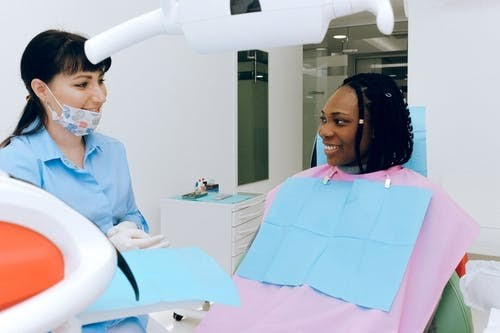
Patient communication at the front desk sets the tone for every interaction a practice has with its community. First impressions are formed before a patient meets the dentist: the receptionist’s voice on the phone, the warmth of a greeting at the door, and the clarity of scheduling instructions all shape trust, compliance, and repeat visits. For front desk staff, mastering communication requires a blend of practical skills, emotional intelligence, and streamlined processes that protect patient privacy while making care welcoming and efficient.
The role of message and manner
Every encounter carries two simultaneous messages: the factual content and the emotional tone. A clear explanation of office hours or insurance requirements is important, but equally important is how that information is delivered. Calm, confident phrasing reduces confusion and anxiety. Pauses that allow patients to ask questions, reflective statements that confirm understanding, and a friendly cadence can turn a routine scheduling call into a reassuring patient experience. Receptionists should practice concise language that avoids jargon yet provides necessary details, ensuring patients leave interactions feeling informed rather than overwhelmed.
Phone skills that convert callers into patients
The telephone remains the most common point of contact for scheduling, cancellations, and triage. Answering quickly, identifying the practice by name, and offering help are basic expectations. What elevates phone communication is active listening: repeating back the reason for the call, asking one focused clarifying question, and summarizing the agreed next step. When a caller is in pain or upset, the receptionist’s ability to validate the feeling and promise prompt attention can defuse tension. Scripts are useful starting points, but staff should be trained to adapt language naturally rather than recite memorized lines. Training that includes role-play for emergency calls and insurance questions prepares receptionists to respond accurately under pressure.
In-person etiquette and environment
A front desk is more than a transaction point; it is a three-dimensional communication tool. Clear signage, comfortable seating, and a tidy counter send implicit messages about organization and care. Receptionists should make eye contact, smile in a way that communicates attentiveness even with masks on, and position themselves so they are approachable without compromising privacy. When discussing sensitive details like billing or treatment plans, offering to step to a quieter area or using a lower voice protects confidentiality and shows respect. Small gestures — offering water, acknowledging a child’s comfort — create an atmosphere of warmth that encourages patient cooperation and loyalty.
Handling conflict and difficult conversations
Conflict is inevitable: appointment mix-ups, insurance denials, or frustrated patients will happen. The front desk must be prepared to respond with de-escalation techniques rather than defensiveness. A structured approach works best: acknowledge the patient’s concern, express empathy, gather facts calmly, and propose a clear next step or timeline for resolution. Phrases such as “I understand why that’s frustrating” or “Let’s see how we can make this right” validate feelings without admitting fault. If a resolution requires managerial review, explain the process and follow up promptly. Accountability in these moments builds long-term trust, even if the immediate situation is uncomfortable.
Clear scheduling and follow-up processes
Accurate scheduling reduces no-shows and shortens wait times. When booking appointments, confirm the reason for the visit, estimate the length of the appointment, and offer reminders through the patient’s preferred channel. Providing a one-line summary of what to expect—pre-procedure instructions, fasting requirements, or insurance information—reduces day-of confusion. When a patient needs follow-up, communicate who will contact them and by when. Automated reminders are effective, but a brief personalized call or message for complex procedures enhances adherence and satisfaction.
Privacy, documentation, and technology
HIPAA and similar regulations require careful stewardship of patient information. Receptionists must know how to discuss protected health details without revealing them in public areas, how to verify identity over the phone, and how to document interactions accurately. Electronic health systems make it easier to track conversations, consent forms, and scheduling notes, but they also demand consistent data entry to ensure continuity of care. Training on software, templates for common call types, and protocols for voice mail or text communication keep information secure while maintaining efficiency.
Investing in skills and ongoing improvement
A single training session is rarely enough to sustain high-quality communication. Ongoing professional development builds confidence and adaptability. Practical workshops, peer shadowing, and coaching on tone, diction, and conflict resolution yield measurable improvements in patient satisfaction. For new hires and existing staff, consider targeted modules that cover phone triage, insurance basics, and cultural sensitivity. Offering periodic refresher sessions creates a culture where learning is continuous rather than episodic. A focused effort to formalize front desk skill-building can be labeled internally as a short program; externally, practices will see fewer errors and stronger retention.
The advantage of focused reception training
When a practice commits to structured learning, front desk staff become an extension of clinical care. By emphasizing empathy, clarity, and procedural knowledge, teams improve appointment flow, increase patient retention, and reduce administrative burden for clinicians. For offices looking to formalize that commitment, offering a concise program on reception best practices—such as dental receptionist training—gives staff a clear framework for communication, documentation, and professional behavior that aligns with the practice’s standard of care.
Sustaining excellent communication
Consistent feedback loops help sustain progress. Soliciting patient feedback about the scheduling process, monitoring call recordings for quality improvement, and recognizing staff who exemplify exceptional communication reinforce the importance of the front desk role. With intentional training, supportive policies, and a focus on human connection, the front desk can transform from a transactional hub into the welcoming heart of a dental practice. Mastery of patient communication is not a single skill but a practice woven into every greeting, call, and follow-up.
