


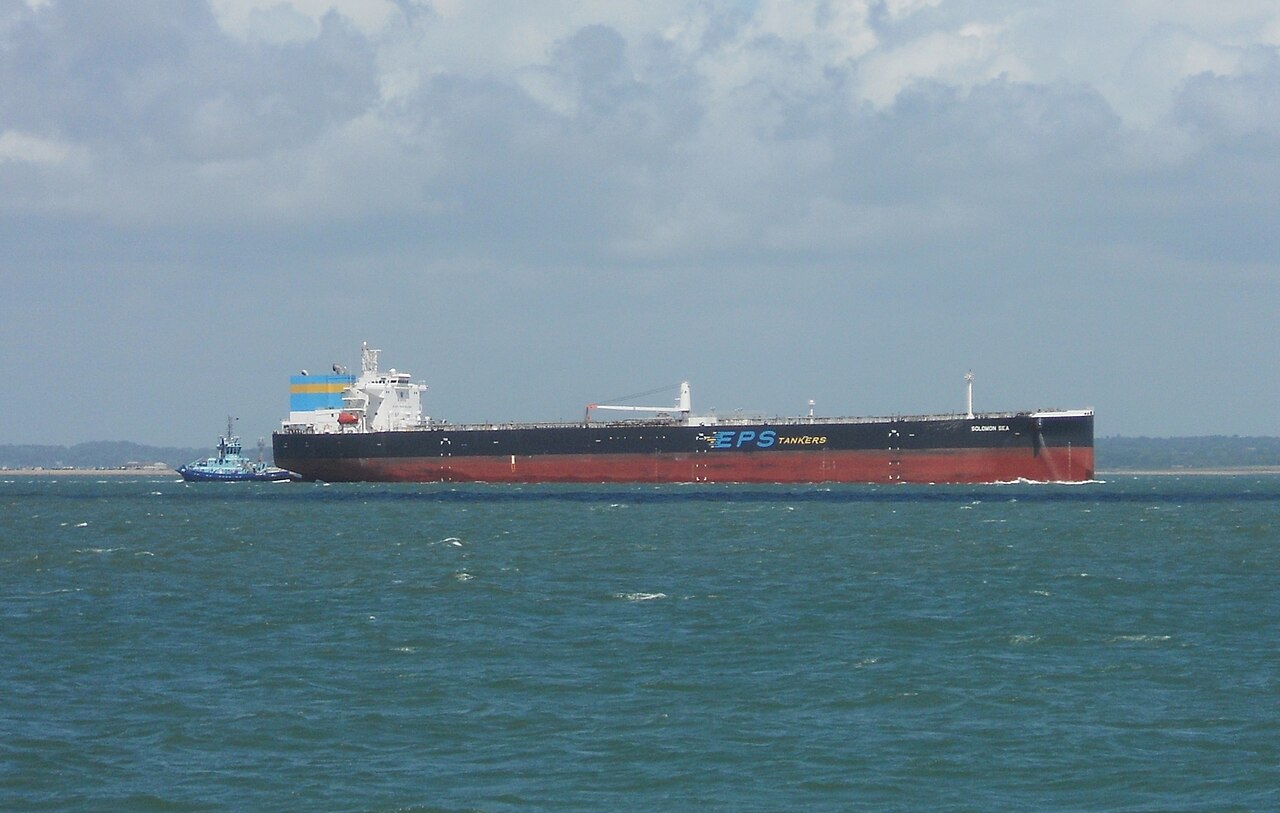
Oil prices climbed to their highest level in six months after an attack on a commercial tanker in the Strait of Hormuz revived fears that one of the world’s most important energy shipping routes could be disrupted. Brent crude, the global benchmark, settled close to $117.64 a barrel, while US West Texas Intermediate finished near $104.12, capping a month in which both benchmarks gained roughly 14 to 15 percent.
Why the Strait of Hormuz Matters
Around a fifth of the world’s oil supply passes through the narrow waterway between Iran and the Arabian Peninsula, along with large volumes of liquefied natural gas. Because there are few alternative routes for those cargoes, even a limited incident in the strait can move global prices within hours. Traders said the latest attack, reported as the first successful strike on a vessel in the waterway since fighting in the region began earlier this year, reminded markets how exposed energy supplies remain to events in the Gulf.
Energy analysts note that prices had already been drifting higher through October on steady demand and disciplined output from major producers. The attack turned that gentle rise into a sharp jump, as buyers rushed to secure cargoes in case shipments are delayed or insurers raise the cost of sending tankers through the area.
What Higher Oil Means for Households
For families, the most immediate effect of expensive crude shows up at the petrol pump and in heating bills. Fuel retailers typically pass wholesale increases on to drivers within days, and airlines and delivery firms often add surcharges when jet fuel and diesel stay high. Economists warn that a sustained period of oil above $100 a barrel would also feed into the price of food and manufactured goods, because transport and energy costs sit inside almost every supply chain.
That knock-on effect is why central bankers watch oil so closely. Energy-driven inflation is harder for interest rates to control, and it can keep borrowing costs higher for longer even when the rest of the economy is cooling.
How Markets Are Reading the Risk
Traders are split on what happens next. Some expect prices to stay volatile in the coming weeks, particularly around the US midterm elections on November 3 and further political developments in the region. Others argue that if shipping continues to move and no major export facility is damaged, part of the risk premium could fade, with some bank forecasts still placing crude in a $70 to $90 range once tensions ease.
What few dispute is that the market now has very little spare capacity to absorb another shock. Inventories are not plentiful, and any further interruption to Gulf exports would likely push prices higher still.
For now, drivers and households should expect fuel costs to remain elevated into November. Whether this spike becomes a brief scare or the start of a longer period of expensive energy will depend less on traders than on events in one narrow stretch of water thousands of miles from most of the people paying for it.
