


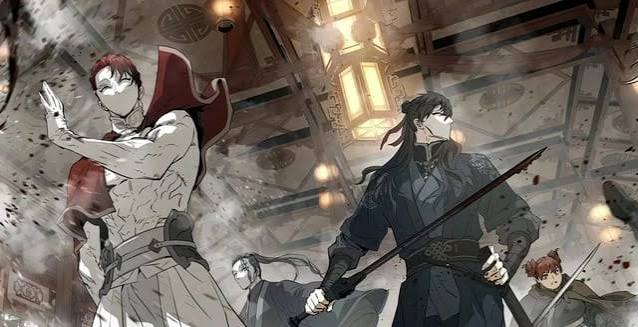
Ever wondered why so many manhwa protagonists wake up in the past, get a second chance at life, and somehow turn their entire timeline into an absolute disaster? Welcome to regression syndrome, the storytelling phenomenon where knowing the future sounds like a cheat code but usually becomes the beginning of a spectacular mess. From revenge-driven nobles to betrayed heroes trying to rewrite their tragic endings, these characters rarely get the peaceful fresh start they imagine. Even readers exploring endless stories on platforms like komiku can notice the same addictive pattern: one changed decision leads to another, and before anyone realizes what’s happening, the future has become completely unrecognizable. But here’s the interesting part: what if regression isn’t really about fixing the past? What if it’s about discovering that the future was never as predictable as the protagonist believed?
The Second Chance That Starts Everything Going Wrong
At first glance, regression seems like the ultimate fantasy. Imagine dying after years of failure, betrayal, or humiliation, only to wake up several years earlier with all your memories intact. You know who’s going to betray you, which investments will make you rich, and which enemies will eventually destroy your life. Easy win, right?
Well, not exactly.
The moment a regressor changes one important event, the timeline starts shifting. Saving someone who was supposed to die might create an unexpected political alliance. Exposing a traitor too early could force another enemy to change their strategy. Even something as simple as avoiding an embarrassing encounter might prevent two future allies from ever meeting.
Suddenly, the protagonist’s precious knowledge becomes less reliable with every decision.
That’s what makes regression stories so entertaining. The main character believes they’re playing chess with the universe, but the universe keeps changing the rules halfway through the match. Their original timeline becomes a collection of outdated information, and every attempt to control the future creates new problems.
Basically, they returned to the past to fix their life and accidentally signed up for a much harder difficulty setting.
Knowledge Is Power, Until It Becomes a Trap
One of the biggest attractions of regression manhwa is watching an experienced protagonist outsmart people who haven’t lived through the events they remember. There’s something incredibly satisfying about seeing a former loser defeat an arrogant rival before the rival even understands what’s happening.
However, this advantage creates a dangerous illusion: the belief that knowing what happened before means knowing what will happen next.
It doesn’t.
A regressor might remember that a particular noble becomes a powerful enemy ten years later, but they may not understand the personal experiences that shaped that person. By interfering with those experiences, the protagonist could accidentally create an even more dangerous opponent.
The same problem applies to relationships. Someone who remembers a friend’s betrayal might approach them with suspicion from the very beginning. That distrust could destroy a friendship that might have developed differently in the new timeline.
Ironically, trying to prevent betrayal can become the reason betrayal eventually happens.
This creates a fascinating psychological conflict. The protagonist isn’t merely fighting external enemies; they’re also fighting their own memories, assumptions, and unresolved trauma. Their previous life gives them information, but it can also prevent them from recognizing opportunities that never existed before.
Why the Timeline Always Feels Like a Carefully Built Disaster
The best regression manhwa understands that changing the past should have consequences. A single altered event can trigger a chain reaction that completely transforms the story.
Think of a timeline as a giant network of interconnected decisions. Every character has personal ambitions, hidden fears, and relationships that influence their behavior. When the protagonist changes one event, other characters react to the new situation, creating consequences that nobody could have predicted.
This is where the beautiful chaos begins.
A protagonist saves a doomed village, only to discover that the survivors eventually join a faction that threatens the kingdom. Another character prevents a family tragedy, unintentionally changing the inheritance battle that originally shaped their political enemies. Suddenly, the future isn’t simply different; the entire structure of the conflict has changed.
And honestly, that’s way more interesting than watching a protagonist repeat the same victories from their previous life.
Readers who baca komiku and explore different regression or time-travel series can see how these stories use altered events to create suspense. The strongest examples don’t make every decision automatically successful. Instead, they allow victories to create complications and force the protagonist to adapt.
After all, if the main character already knows every answer, where’s the fun in reading the story?
The Emotional Cost of Living Twice
There’s another side to regression that deserves more attention: the emotional damage of remembering a life nobody else experienced.
Imagine meeting your parents when they’re younger, seeing friends who haven’t suffered their future tragedies, or encountering someone you loved who doesn’t recognize you anymore. To everyone around you, these relationships are just beginning. To you, they might already carry years of happiness, grief, resentment, or regret.
That’s a seriously weird emotional situation.
The protagonist can become attached to people who haven’t developed the same connection with them yet. They might struggle to trust new friends because their memories keep reminding them how badly things went before. Some even treat people like predictable characters in a script rather than individuals capable of making their own choices.
This emotional distance can turn a second chance into another kind of prison.
Instead of enjoying the present, the regressor becomes obsessed with preventing every possible tragedy. They monitor everyone, manipulate important events, and sacrifice their own happiness to maintain control. Even when their new life becomes objectively better, they might still feel trapped by the memories of their previous existence.
The real challenge isn’t simply creating a better future. It’s learning to live in a present that no longer follows the rules of the past.
Regression Works Best When Nobody Has Complete Control
A regression story becomes especially compelling when the protagonist’s intelligence has limits. They can make plans, gather information, and prepare for familiar threats, but they must also accept that other people have their own agency.
Not every disaster can be prevented. Not every relationship can be restored. And not every mistake needs to be corrected exactly as it happened before.
This doesn’t make the protagonist weak. It makes their journey more human.
When characters finally stop treating the timeline like a machine they can perfectly operate, they gain the opportunity to build something genuinely new. They can form relationships without constantly comparing them to the past, confront enemies whose motivations they never understood, and discover solutions that their previous experiences could never have taught them.
That’s the real evolution of a great regressor: moving from controlling every outcome to making thoughtful choices despite uncertainty.
Final Thoughts: The Future Was Never Yours to Control
Regression manhwa remains addictive because it combines revenge, strategy, emotional conflict, and the irresistible fantasy of getting another chance. Yet its most interesting stories reveal that changing the past doesn’t automatically guarantee a better future. Every intervention creates new possibilities, every relationship can evolve unexpectedly, and every attempt to control destiny carries its own risks. If you’re looking for more stories packed with unpredictable timelines, complicated characters, and beautifully chaotic second chances, platforms like Komiku, one of Indonesia’s most popular comic and manga reading platforms, offer a place to discover your next obsession, whether you want to baca komik full of shocking twists or baca manga featuring ambitious heroes rewriting their destinies. Because sometimes, the most devastating catastrophe isn’t a timeline falling apart. It’s a protagonist realizing that the future was never something they could completely control in the first place.