


Measles cases in the United States increased by 8 per cent in a single week, reaching a total of 4,410 confirmed infections, in the latest federal surveillance release. The number extends a resurgence that health officials have been documenting throughout the year, and it deserves a clear-eyed reading. The growth is concentrated in identifiable clusters, most cases involve people who were not vaccinated, and the response playbook for measles is well tested. Rising, yes; out of control, no, provided vaccination gaps are closed promptly.
The drivers are structural rather than mysterious. Measles remains common in many parts of the world, so travel continually reintroduces it. Within the US, childhood vaccination coverage has slipped in a number of communities, sometimes below the threshold at which the virus cannot find enough susceptible hosts to keep spreading. Layer onto that the sheer contagiousness of measles, which can infect people who enter a room up to two hours after a case has left it, and small gaps turn into local outbreaks with little warning.
How measles presents, and why timing matters
The illness usually opens with fever, cough, runny nose and red eyes, a combination easily mistaken for influenza. White spots inside the cheeks can follow, then the spreading red rash that makes the diagnosis unmistakable. The risk period for passing the virus on begins before the rash, which is why officials act on suspicion rather than waiting for certainty. Most patients recover, but pneumonia, ear infections and hospitalisation are common enough in unvaccinated groups, and rare complications can affect the brain, so clinicians treat every suspected case as urgent.
Prevention guidance is stable and evidence-based. The CDC’s measles pages set out that two MMR doses are about 97 per cent effective, that records should be checked before international travel, and that exposed people without immunity may still benefit from a prompt vaccination or antibody treatment. Anyone with symptoms is asked to call ahead before visiting a surgery or emergency department, a small step that prevents the awkward situation of a highly infectious patient in a crowded waiting room.
A proportionate response
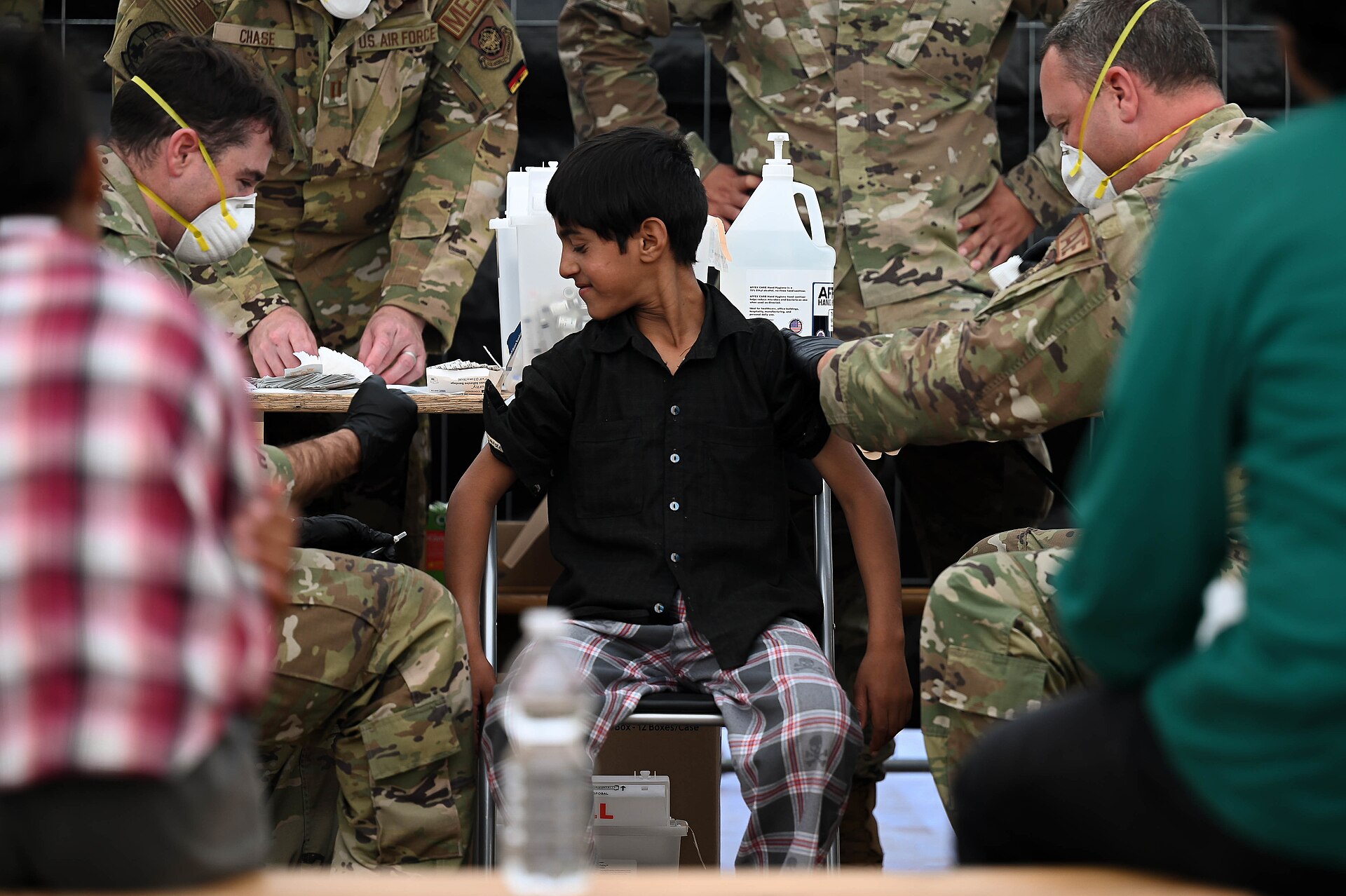
Current containment follows the established pattern: vaccination drives in the neighbourhoods concerned, tracing and advising contacts, and temporary school exclusions for exposed children who lack protection. These steps have closed down many clusters before and are expected to work again where coverage can be lifted quickly. Our health desk took a similar long view in coverage of an early personalised vaccine trial in ovarian cancer: immunisation delivers its value quietly, in cases that never happen, which makes it easy to underrate until numbers like 4,410 appear.
Parents of very young children are a particular focus of the current guidance, because babies below vaccination age depend entirely on the immunity of the people around them. Where a local cluster is active, doctors may offer an early first dose from six months of age, with the standard schedule still completed later. Grandparents and other close contacts are likewise encouraged to confirm their own status, a step many adults have never been asked to take before.
Employers and universities occasionally ask why a childhood disease belongs on the general news agenda at all. The answer is that measles functions as an indicator: because it is so contagious, it is usually the first disease to exploit any weakening in a vaccination programme, appearing before others do. Public health specialists therefore treat its numbers as an early-warning system for the whole schedule of routine immunisations, which is one more reason the response to a figure like 4,410 is swift even when hospitals are not under pressure.
One further point of perspective: weekly percentage rises can look alarming while absolute numbers remain modest, and reporting lags mean a single week’s figure may include cases confirmed late. Officials therefore watch the trend over several weeks, not one headline. For individual readers, the useful response has not changed in decades. Verify your family’s vaccination status, know the early symptoms, and act quickly if they appear. Measles rewards communities that prepare; the latest figures are a reminder to prepare, delivered while preparation is still straightforward.
