


The Detail Audiences Notice First
Audiences forgive a lot in animation.
Stiff walk cycles, recycled backgrounds, and even rough lighting can slide past most viewers without breaking the spell.
Mouth movement that doesn’t match the dialogue is different.
The eye catches it instantly, and once it’s noticed, the rest of the scene starts to feel off.
That single mismatch is often the reason a polished animation still feels amateur, which is why real-time AI lip-sync animation has become such a focus area for studios trying to scale dialogue-heavy content without sacrificing believability.
How Lip Sync Actually Works
Lip sync animation sits at the intersection of timing, phonetics, and performance.
Every spoken sound maps to a mouth shape, called a viseme, and good animators pick the right shape for each phoneme without overworking the in-betweens.
The classic Preston Blair chart gives ten or so core shapes for English dialogue, and most modern pipelines still build on that foundation.
Get the viseme timing right, and the character feels alive.
Miss it by two frames, and the illusion collapses.
Why the Brain Catches Bad Sync So Fast
The reason this matters so much comes down to how human perception works.
We grow up reading lips without thinking about it, picking up cues from the corner of a smile or the way a jaw drops on an open vowel.
When the audio says one thing and the mouth shows another, the brain flags the conflict as fake.
This is the McGurk effect in reverse, and it’s why a beautifully rendered short film with sloppy mouth movement can still feel cheap.
Viewers won’t always articulate the problem, but they’ll describe the work as “weird” or “unfinished.”
The Old Workflow Was Painful
For years, the workflow was brutal.
An animator would scrub through a dialogue track frame by frame, mark the stressed syllables, then hand-pose every viseme across hundreds of keyframes.
A single minute of dialogue could eat two or three days of work.
Studios with deep budgets, like Pixar or Aardman, could justify that level of attention.
Indie creators and small game studios usually couldn’t, which is partly why so much low-budget animated content has that telltale flapping-jaw look where the mouth opens and closes without really matching anything.
What Shifted in the Last Few Years
Two changes broke that bottleneck.
Phoneme detection models got accurate enough to parse dialogue tracks automatically, tagging each sound with its corresponding viseme.
Rigging tools like Adobe Character Animator, Live2D, and Cascadeur made it possible to drive those visemes onto a character rig without manual keyframing.
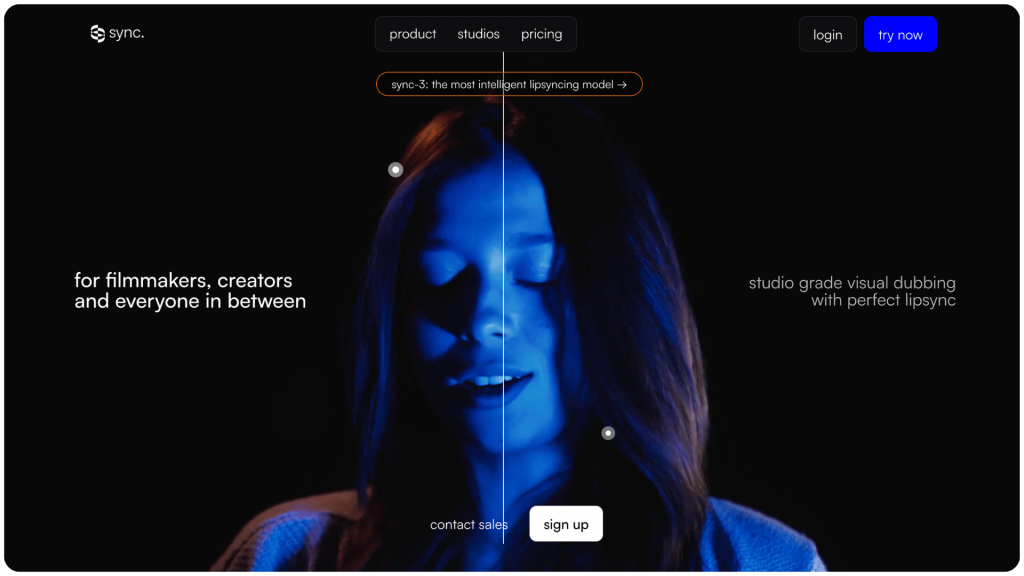
Newer platforms, such as sync.so push this further by generating mouth movement directly from audio, which gives smaller teams access to quality that used to require a dedicated animator.
For live use cases, VTubers, virtual presenters, and interactive avatars, this kind of automation is the only way the math works.
Where Automation Falls Short
Quality still varies, and this is where experience separates good output from passable output.
Automated systems tend to produce mechanically correct but emotionally flat results.
The mouth hits the right shape on the right frame, but there’s no anticipation before a hard consonant, no slight overshoot on an emphatic word, no held shape during a pause for effect.
Skilled animators clean up automated passes with these small adjustments.
The difference is the gap between a character that talks and a character that performs.
Practical Habits That Improve Sync Quality
A few things worth knowing if you’re working on a project where dialogue carries the story:
- Record the audio first, always. Animating to a temp track and replacing it later almost never works because the new timing shifts everything.
- Keep visemes slightly ahead of the audio, usually by one or two frames. The mouth in real life starts forming a sound before it’s audible, and matching that anticipation reads more naturally.
- Don’t over-animate. Real mouths don’t hit every shape cleanly. They blend and skip, and hitting every viseme dead-on often looks worse than a slightly looser interpretation.
- Pay attention to the jaw and the rest of the face. The mouth isn’t the only thing moving during speech. Eyebrows, eye darts, and head tilts all sell the performance.
The Economics Have Changed, the Standard Hasn’t
The economics here are worth thinking about.
A YouTube channel pushing out weekly animated explainers can’t afford a week of mouth animation per episode.
The audience still expects clean sync, though.
Automation and human polish together hit the sweet spot, and most working animators now treat AI-driven lip sync as a first pass rather than a finished product.
What hasn’t changed is the standard the audience holds.
A viewer who has never heard the word viseme will still tell you a scene feels wrong when the sync drifts.
That instinct is older than animation itself, and no amount of technical progress lets a project skip past it.
The tools have changed, the workflows have shortened, and the entry bar is lower than it’s ever been.
The reason lip sync animation matters is exactly the same as it was in 1937: when the mouth and the voice agree, the character is real.