


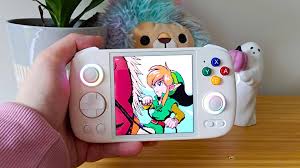
There is a quiet revolution happening in gaming right now, and it does not involve the latest graphics card or a $70 title with a 50GB install. It is happening on small screens, living room TVs, and walls lit up by projectors. People all over the world are rediscovering the games that shaped them, and they are doing it with a new generation of hardware built specifically for that purpose.
From families settling in for a Friday night session on a big screen to commuters slipping a handheld into a jacket pocket, the appetite for classic gaming has never been stronger or more accessible. At the center of this movement are three distinct categories of hardware: retro game consoles, retro game sticks, and retro game handhelds. Each one serves a different kind of player, but all three share the same core promise: great games, zero complexity, and the genuine article.
The Living Room Revival: What Retro Game Consoles Actually Deliver
The living room has always been the spiritual home of gaming. Gathering around a television with controllers in hand is a ritual that has been passed down across generations, and retro game consoles are keeping that tradition alive in a format that fits 2026 perfectly.
Modern retro consoles designed for TV play are built around simplicity. You plug them in via HDMI, pick up a controller, and within a few minutes you are navigating menus packed with classic titles spanning multiple generations of gaming history. There is no subscription, no internet requirement, no patch to download. The games are just there, ready to go.
What separates a genuine retro game console from the flood of cheap replicas on the market is build quality and authenticity. The hardware inside matters. A genuine device runs games as they were meant to be played: correct speed, accurate audio, responsive controls. A replica might look the part on a product listing but deliver a muddy, laggy experience that misses the point entirely.
RetroGameConsoles.com stocks only authentic, verified models, which matters more than it might initially seem. When you are chasing a high score on a classic platformer or working through a tough puzzle in a beloved RPG, you want the real experience, not a compromised version of it.
Models like the Q10 SE RS5 and G8 have become popular choices for households that want a dedicated setup without the clutter of a full gaming PC or modern console ecosystem. The G7 in particular has drawn attention for its clean plug-and-play setup and solid game library. These are devices built for people who want to enjoy classic gaming without spending their weekend configuring software.
Retro Game Sticks: The Smallest Route to a Full Gaming Night
If a full retro console is the family car, the retro game stick is the motorbike: nimble, compact, and surprisingly capable. These small HDMI devices have exploded in popularity precisely because they remove every possible barrier between the player and the game.
The concept is simple. A retro game stick is a self-contained unit roughly the size of a large thumb drive. You plug it directly into any HDMI port on any television or monitor, connect a controller wirelessly or via USB, and you are gaming. The entire setup takes under two minutes, there are no wires trailing across the floor, and when you are done you pull it out and drop it in a drawer.
This format has proven especially popular in households where the television is shared across multiple uses. You are not dedicating a shelf or a cable run to your gaming hobby. The stick lives in a pocket or a bag and comes out when you want it. It also travels exceptionally well, turning hotel room televisions and holiday accommodation screens into instant gaming setups.
The retro game sticks range at RetroGameConsoles.com includes options across different storage sizes and controller configurations. The X9 Pro, X2 Ultra, M8 Pro, and Y6 have each found their audience, with the X2 Ultra Arcade version in particular drawing strong interest from players who want a larger controller feel for beat-em-ups and fighting games. The M88 sits at a higher price point and reflects that with a broader game library and more refined hardware.
One thing worth understanding about the retro game stick category is how it has benefited from the same hardware improvements that lifted the whole retro market. Faster processors mean smoother emulation. Better wireless technology means controller latency is no longer the issue it once was. The result is a device that genuinely delivers on its promise rather than cutting corners to hit a price point.
Retro Game Handhelds: Classic Gaming That Goes Anywhere You Do
There is something almost poetic about playing retro games on a handheld. The original Game Boy was itself a portable device, and the cycle of portable gaming has now looped back around to bring the entire history of classic gaming into a pocketable form factor.
Retro game handhelds are designed for a specific kind of gaming lifestyle. The sessions tend to be shorter. The games themselves are often well-suited to this, with classic titles built around levels and stages that have natural stopping points. You pick the device up, play through a couple of levels on a side-scrolling classic or knock out a dungeon in an action RPG, and put it back down when life calls. There is no save-state anxiety, no feeling that you are wasting time on a lengthy loading screen.
The hardware in today’s retro handhelds has come a long way from earlier generations. Screens are brighter and sharper. Battery life has improved significantly. Buttons and d-pads have moved closer to the tactile quality of the consoles these devices are emulating. The physical feel of holding one has become a meaningful part of the experience rather than an afterthought.
The retro game handhelds lineup at RetroGameConsoles.com covers a wide range of player preferences. The Q21 and X53 sit at accessible entry points for players who want a quality device without a premium outlay. The R50S and K56 step up in build quality and game library depth. At the top end, the G90 represents a serious investment in portable retro gaming with a hardware specification that reflects the price.
The M27 has attracted particular attention in the 2026 range, offering a balance of screen quality, ergonomics, and game variety that has made it a frequently recommended option for first-time buyers. The HC800 sits alongside it as a device for players who want something closer to a modern handheld in feel but loaded with the classic libraries they grew up with.
One thing that distinguishes a quality retro handheld from a budget replica is how well the device handles the breadth of its library. Emulating games from different console generations with consistent accuracy is a technical challenge that cheaper hardware fails to meet. On a genuine device, you notice the difference in how responsive the controls feel, how games run at their correct speed, and how the audio holds up across different titles.
Choosing the Right Format for How You Actually Play
The most common question people ask when entering the retro gaming space is a simple one: which format should I start with? The honest answer is that it depends entirely on how and where you like to play.
If most of your gaming happens in your living room and you want the full television experience with multiple controllers and the feel of a dedicated setup, a retro game console is the natural choice. It sits in your entertainment unit, it is always ready, and it delivers the communal gaming experience that retro titles were often designed around.
If you value flexibility and want something you can take between rooms or bring on a trip without any fuss, a retro game stick is worth considering. The trade-off is that you always need access to a screen with an HDMI input, which is rarely a problem in practice.
If your lifestyle involves a lot of travel, commuting, or shorter gaming windows, a retro game handheld is the most natural fit. The self-contained nature of the device means you are not dependent on any external screen or infrastructure. You can play on a train, in a waiting room, or in bed without any setup at all.
Many players end up with more than one format over time. A handheld for personal use and a console for family or social gaming is a combination that covers most situations without duplication.
Why Authenticity Matters More Than Ever
The retro gaming market has grown fast, and with that growth has come a corresponding rise in products that fall short of what they claim to be. Replica devices, bait-and-switch listings, and inconsistent build quality have made buyers cautious, and rightly so.
RetroGameConsoles.com was built specifically to address this problem. The focus on stocking and shipping genuine, authenticated models is not just a marketing point. It reflects the reality that a bad experience with a replica device can put someone off retro gaming entirely, which is a shame when the genuine hardware delivers so much.
Every device listed on the site is a real model with the correct hardware inside. When a customer orders an M27 or a G90 or an X9 Pro, they receive exactly what is advertised: the 2026 version of that device, with the correct specifications, tested and shipped from a real inventory. That level of reliability is harder to find than it should be in this market, which is why it has become the defining commitment of the brand.
The Retro Gaming Moment Is Now
Classic games have always been good. The difference today is that playing them has never been easier, more affordable, or more well-suited to modern life. Whether you are a longtime fan returning to titles you played in childhood or a newer player curious about what all the nostalgia is about, the hardware exists right now to give you the best possible version of that experience.
Retro game consoles for the living room, retro game sticks for ultimate portability, and retro game handhelds for gaming on the go: three formats, one mission. The games are waiting. The only question is which screen you want to play them on.