


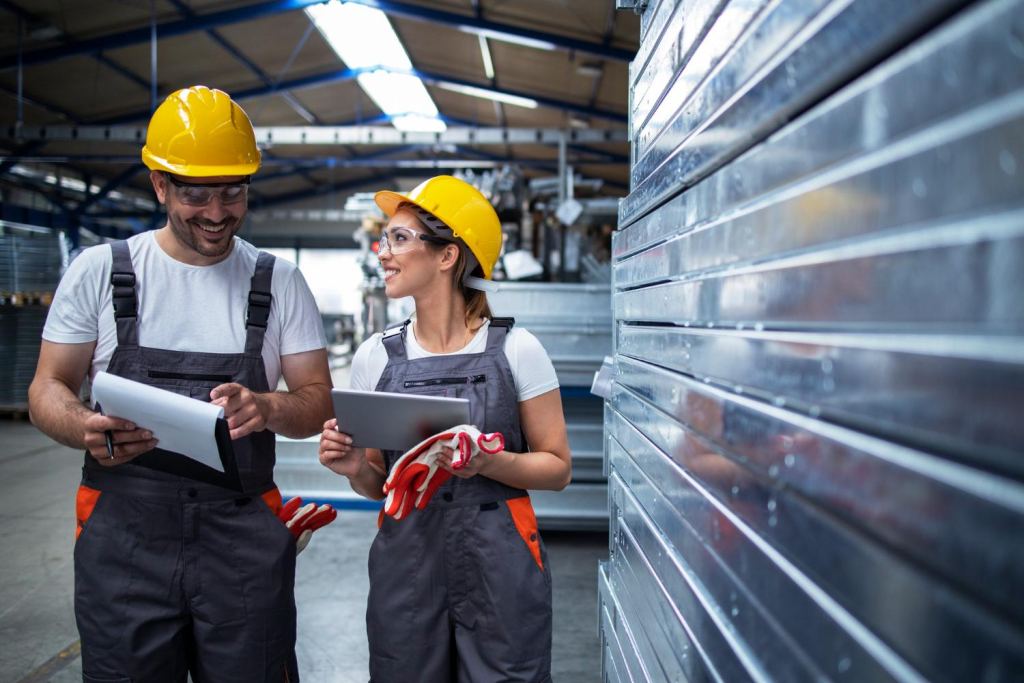
In today’s fast-paced construction and manufacturing sectors, precision, durability, and efficiency are critical. The demand for high-quality steel fabrication Dubai services has grown significantly as industries seek reliable structural solutions.
From large-scale infrastructure projects to customized industrial components, fabrication plays a vital role in shaping modern development. With advanced technologies and skilled craftsmanship, fabrication services are now more refined, ensuring both strength and aesthetic appeal in every project.
Understanding Steel Fabrication
Steel fabrication is the process of cutting, bending, and assembling steel to create structures or products. It is widely used across industries such as construction, automotive, oil and gas, and manufacturing.
Fabrication involves several stages:
- Design and planning: Engineers create detailed blueprints.
- Material selection: Choosing the right grade of steel is essential.
- Cutting and shaping: Using tools like laser cutters and CNC machines.
- Assembly: Welding and fastening components together.
- Finishing: Coating or polishing for durability and appearance.
This systematic approach ensures that every fabricated component meets industry standards and project requirements.
Importance of Metal Fabrication in Modern Industry
Metal fabrication goes beyond steel and includes working with aluminum, copper, and other metals. It enables industries to create custom solutions tailored to specific needs.
Key advantages include:
- Customization: Fabrication allows unique designs and specifications.
- Strength and durability: Metals offer long-lasting performance.
- Versatility: Suitable for various industries and applications.
- Cost efficiency: Reduces waste through precise manufacturing.
These benefits make fabrication an essential part of modern engineering and construction.
Key Applications Across Industries
Fabrication services are widely used in multiple sectors. Each industry relies on precision and quality to ensure safety and functionality.
Some major applications include:
- Construction: Structural beams, columns, and frameworks.
- Automotive: Chassis and engine components.
- Energy sector: Pipelines and storage tanks.
- Infrastructure: Bridges, railings, and support systems.
- Industrial equipment: Machinery parts and enclosures.
The ability to create both large-scale structures and intricate components makes fabrication indispensable.
Advanced Technologies in Fabrication
Modern fabrication has evolved significantly with the introduction of advanced technologies. These innovations improve accuracy, reduce production time, and enhance quality.
Some commonly used technologies are:
- CNC machining: Provides precise and automated cutting.
- Laser cutting: Ensures clean and accurate edges.
- Robotic welding: Improves consistency and strength.
- 3D modeling: Allows better visualization before production.
These tools help manufacturers deliver high-quality results while maintaining efficiency.
Efficiency and Scalability
As projects grow in complexity, the need for efficient fabrication becomes more critical. Companies offering steel fabrication Dubai services focus on scalability to handle projects of all sizes.
Important factors for efficiency include:
- Streamlined workflows: Reducing delays and errors.
- Resource management: Optimizing material usage.
- Timely delivery: Meeting project deadlines.
- Scalability: Handling both small and large projects.
These factors ensure that fabrication processes remain efficient and cost-effective.
Quality Standards and Safety Measures
Maintaining quality and safety is crucial in fabrication processes. Strict guidelines ensure that fabricated products meet industry regulations.
Important aspects include:
- Material testing: Ensures durability and strength.
- Welding inspections: Prevents structural weaknesses.
- Surface treatment: Protects against corrosion.
- Compliance: Adhering to international standards.
By following these measures, fabrication companies ensure reliability and long-term performance.
Custom Fabrication Solutions
Every project has unique requirements, and custom fabrication provides tailored solutions. Whether it’s a small component or a large structure, customization ensures optimal performance.
Benefits of custom solutions include:
- Precision fit: Designed to meet exact specifications.
- Improved efficiency: Reduces installation time.
- Enhanced performance: Meets specific operational needs.
- Flexibility: Adapts to changing project requirements.
This approach is particularly useful in specialized industries where standard solutions may not be sufficient.
Role of Skilled Workforce
Behind every successful fabrication project is a team of skilled professionals. Their expertise ensures that each stage of the process is executed flawlessly, especially in metal fabrication where precision and coordination are crucial.
Key roles include:
- Engineers: Design and plan structures.
- Technicians: Operate machinery and tools.
- Welders: Assemble components with precision.
- Inspectors: Ensure quality and compliance.
A skilled workforce is essential for delivering high-quality fabrication services.
Environmental Considerations
Sustainability is becoming increasingly important in fabrication. Companies are adopting eco-friendly practices to minimize environmental impact.
Some sustainable practices include:
- Recycling materials: Reducing waste.
- Energy-efficient machinery: Lowering energy consumption.
- Eco-friendly coatings: Minimizing harmful emissions.
- Waste management: Proper disposal of by-products.
These efforts contribute to a greener and more sustainable industry.
Choosing the Right Fabrication Partner
Selecting the right fabrication company is crucial for project success. Several factors should be considered when making a decision.
Key considerations include:
- Experience: Proven track record in the industry.
- Technology: Use of advanced tools and equipment.
- Quality assurance: Strong focus on standards.
- Customer support: Clear communication and reliability.
A reliable partner ensures that projects are completed efficiently and to the highest standards.
Future Trends in Fabrication
The fabrication industry continues to evolve with new technologies and innovations. These trends are shaping the future of manufacturing and construction.
Emerging trends include:
- Automation: Increased use of robotics.
- Smart manufacturing: Integration of IoT and data analytics.
- Lightweight materials: Improved efficiency and performance.
- Digital fabrication: Enhanced precision through software tools.
These advancements will continue to drive growth and innovation in the industry.
Maintenance and Longevity of Fabricated Structures
Proper maintenance is essential to ensure that fabricated structures remain strong, safe, and functional over time.
Key maintenance practices include:
- Routine inspections: Checking for signs of wear, corrosion, or damage.
- Protective coatings: Applying paints or finishes to prevent rust and environmental damage.
- Timely repairs: Fixing minor issues early to avoid costly replacements.
- Cleaning and upkeep: Removing debris and contaminants that can affect performance.
By following these practices, businesses can maximize the durability and reliability of their fabricated structures while maintaining safety and efficiency.
Conclusion
Steel and metal fabrication play a vital role in modern infrastructure and industrial development. With advancements in technology, skilled professionals, and a focus on quality, metal fabrication services continue to meet the growing demands of various industries.
For businesses seeking reliable and high-quality fabrication solutions, Biston Steel Manufacturing stands out as a trusted partner. With a commitment to precision, durability, and customer satisfaction, Biston Steel Manufacturing delivers exceptional results tailored to your project needs. Whether it’s structural steel, custom components, or large-scale industrial solutions, their expertise ensures that every project is completed with excellence and efficiency.
