


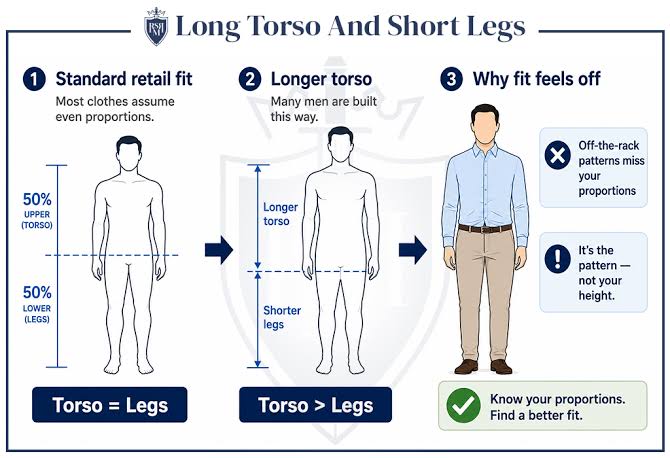
An outfit can contain pieces you like individually and still feel unsettled when you put them together. Often, the issue is proportion: how the length, width, and visual weight of one garment relate to another. You do not need a strict formula or a particular body shape to address it. Start by noticing where an outfit feels crowded, interrupted, or unexpectedly heavy.
Begin with one clear silhouette
Choose the garment that will set the overall shape. It might be a roomy sweatshirt, straight trousers, or a cropped jacket. Give that piece room to work before adding competing shapes. For example, a generous top can sit comfortably above trousers that fall cleanly from the hip, while a shorter jacket can make the full line of wider trousers easier to see.
When browsing the Corteiz collection, consider how a potential purchase would sit beside clothing you already own. Compare garment measurements where available, rather than relying only on a familiar size label. A piece earns its place more easily when you can identify the trousers, outer layer, and shoes that would support its shape.
Use an outfit you already enjoy as a reference point. Lay its main pieces flat and compare their lengths and widths with the garments you are trying to introduce. You are looking for differences, not a perfect duplicate. A few extra centimetres at the hem or a broader shoulder can explain why a familiar combination suddenly feels different. This also gives you a more useful shopping reference than a vague preference for clothing that feels relaxed or fitted.
Check length before changing size
A garment may feel wrong because of where it ends, even when there is enough room through the body. Look at the relationship between the hem of your top and the waistband of your trousers. A long hem creates one impression; a hem closer to the waist creates another. Neither is automatically better, but each changes how much of the lower half remains visible.
Make small adjustments before deciding that an entire outfit fails. Turn up a trouser hem temporarily, push sleeves back, or try a slight front tuck if the fabric allows it. Then step away from the mirror. Seeing the full silhouette from a normal viewing distance helps you judge the relationship between pieces instead of becoming distracted by a single crease.
Consider the position of pockets, seams, and waistbands while checking length. A top that ends directly over a bulky pocket can create a different outline from one that ends just above it. Likewise, a jacket may look balanced when open but gather awkwardly over a longer layer when fastened. Test both arrangements if you expect to wear them. The version that looks good in the mirror should also be the version you can realistically use throughout the day.
Let footwear support the outline
Shoes form the base of an outfit, so consider their shape alongside the trouser opening. A wide leg can fall differently over a substantial trainer than over a slimmer shoe. Check the view from the side as well as the front. Fabric should land where you intend it to, without requiring constant adjustment when you take a few steps.
Visual balance does not require matching every bulky garment with an equally bulky shoe. Sometimes a lighter base creates an interesting contrast. The useful question is whether the contrast looks deliberate and feels comfortable. Try the same outfit with two pairs of shoes and notice what changes: the apparent length of the trousers, the weight around the ankle, and the overall mood.
Socks and visible space around the ankle can also affect the transition between trousers and footwear. Try the socks you actually intend to wear, rather than assessing an outfit barefoot and adding shoes at the door. If you are adjusting a hem, check its position while seated as well as standing. A temporary fold is useful for experimenting, but any permanent alteration should allow for the way you move and the different shoes you expect to use.
Test the outfit in motion
A still photograph cannot tell you whether a jacket pulls when you reach forward or whether trousers shift when you sit down. Walk, sit, bend, and reach before settling on a combination. Pay attention to places where layers bunch together. A sleeve that fits neatly alone might become restrictive underneath another sleeve, especially when the two fabrics have different amounts of structure.
Keep a short record of combinations that work, using a quick photo or a note on your phone. Describe the relationship rather than just listing the clothes: shorter outer layer, longer inner hem, straight leg, compact shoe. That language makes successful proportions easier to repeat with different pieces. Over time, you build a useful personal reference instead of starting every outfit from scratch.
Notice whether you are continually pulling one garment back into position. A silhouette that only works while you stand perfectly still may need a different combination or a fit adjustment. If the underlying fit is uncomfortable, styling tricks are unlikely to solve it. Consider a different size, a different cut, or suitable alterations when appropriate. There is no benefit in preserving an appealing outline if doing so means spending the day managing your clothing instead of wearing it comfortably.
Run a simple proportion check
For a quick experiment, choose one top and one pair of trousers, then change only the outer layer. Try a shorter layer first, followed by a longer one. Take a photo from roughly the same position each time, keeping your posture natural. Comparing the images helps isolate the effect of length without introducing several changes at once.
Repeat the exercise with footwear if the result still feels uncertain. Keep the combination that you would be comfortable walking in for an ordinary day, then identify what makes it work. You might like the visible waistband, the clean trouser line, or the way the jacket frames the inner layer. Those specific observations are more useful than deciding an outfit is simply flattering or unflattering.
Use the same method the next time a combination feels nearly right. Change one relationship, assess the result, and stop when the outfit feels comfortable and intentional. For further reading, visit Lapzoo. Start your own next outfit with the garments already available to you; a clearer understanding of their proportions may be all the change you need.
