


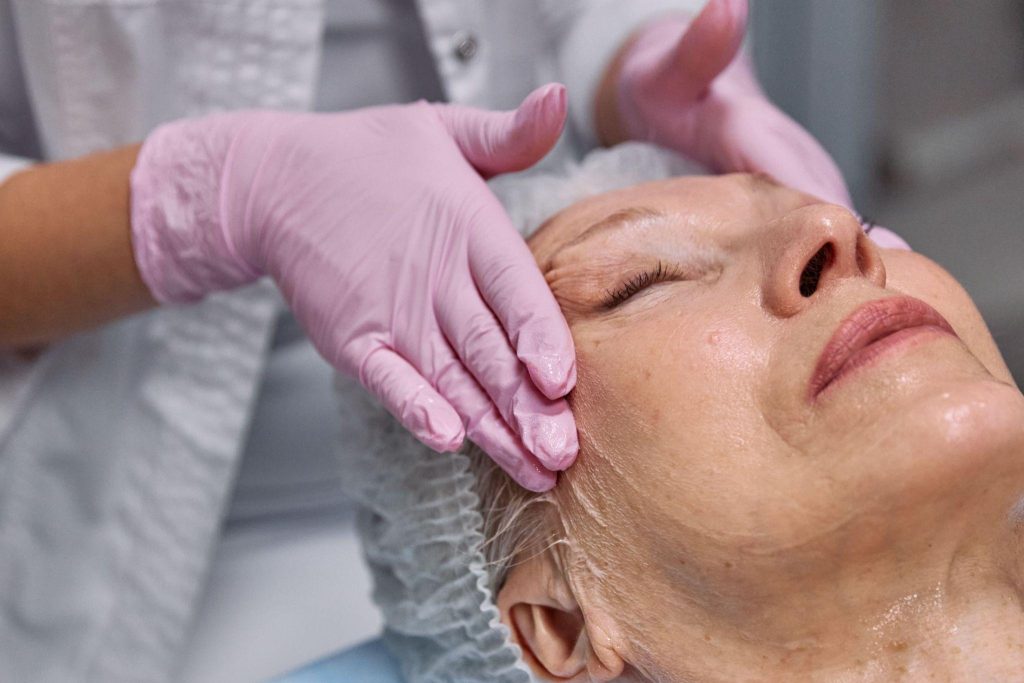
Let’s be real. Looking in the mirror and noticing sagging skin or deep creases is no fun. A facelift can turn back the clock. But the price tag? That is a whole different story. Many people get sticker shock right away.
The cost is never a simple number. It moves up and down based on several big things. Knowing these details helps avoid nasty surprises. This guide breaks down every piece of the puzzle.
The Surgeon’s Reputation and Skill
Think of this like hiring a top chef. A famous surgeon with decades of experience charges more. That makes perfect sense. Their hands have done hundreds of operations. They know how to handle tricky situations. A rookie doctor might offer a lower price. But that is a risky game.
Board certification matters a lot. So does a clean malpractice record. Patients pay for peace of mind. They pay for safety. A cheap surgeon could cost more in the long run. Fixing bad work is expensive and painful.
Where the Clinic Is Located
Geography plays a huge role. Big cities have higher overhead costs. Rent is crazy expensive. Staff salaries are higher too. That drives up the final bill.
For instance, someone searching how much does a facelift cost Toronto-wide will see a specific range. That number looks different in a small town. Rural clinics have lower operating costs. They pass those savings along. But urban centers have more competition. They also have better technology. It is a trade-off between price and convenience.
Type of Facelift Procedure
Not all facelifts are the same. A mini-lift is less invasive. It targets just the lower face. Recovery is quicker. So the cost drops significantly. A full traditional lift goes deeper. It fixes the neck, jawline, and cheeks. That takes more time in the operating room. More time equals more money.
Some people need a deep-plane lift. That is the gold standard. It lasts longer but costs a fortune. The specific technique changes everything. One size definitely does not fit all.
Anesthesia and Surgical Facility Fees
This part often gets overlooked. The operating room is not free. Those lights, beds, and machines cost money. The nursing staff needs payment too. Anesthesia is another big chunk. An anesthesiologist monitors vital signs. That professional keeps the patient safe.
General anesthesia costs more than local numbing. The type of facility matters as well. A hospital charges higher fees. An accredited surgery center might be cheaper. Both are safe options. But the price gap is real.
Pre-Operative Tests and Medical Clearance
Before going under the knife, the body gets checked. Blood work is mandatory. EKGs are common for older patients. A primary care doctor signs off on health. These steps add to the total. They are non-negotiable for safety.
Some clinics bundle these costs. Others list them separately. That is a sneaky addition. Patients should ask upfront. Ignoring these tests is impossible. They protect against complications. They are worth every penny.
Post-Surgery Care and Follow-Ups
The surgery is just the start. Aftercare is critical. Expensive compression garments are needed. Prescription medications add up quickly. Follow-up visits check healing progress. Some surgeons include these in the package. Others charge per visit. That is a huge difference.
Swelling and bruising take time to fade. Proper care reduces scarring. It also prevents infections. Cutting corners here ruins the results. Good aftercare is an investment in the final look.
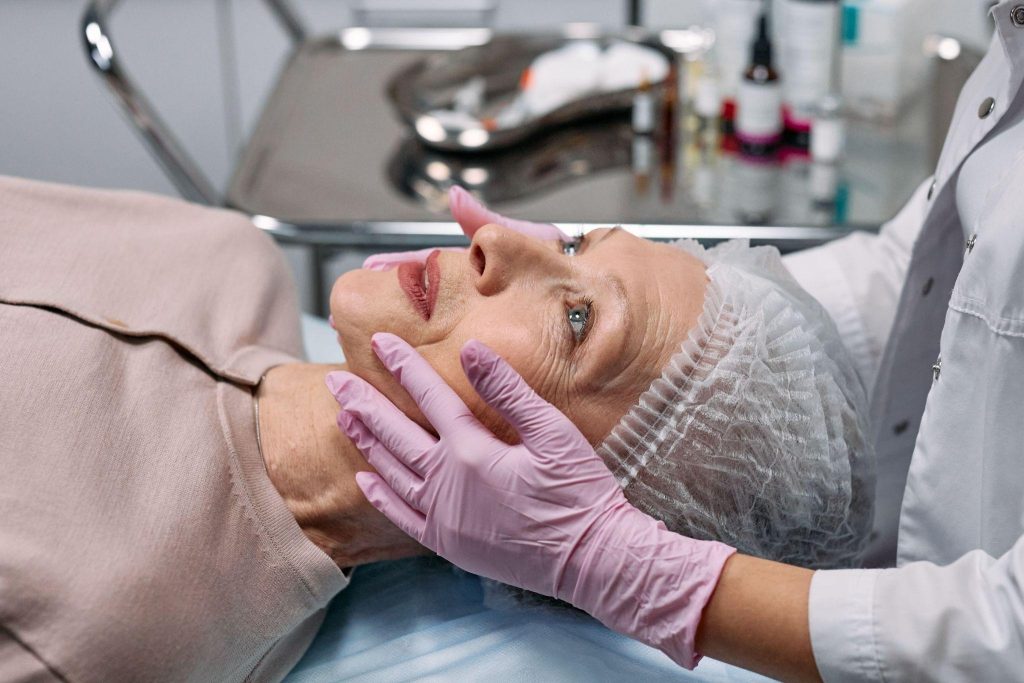
Geographic Cost of Living Variations
This point ties back to location. But it goes deeper. States and provinces have different tax rates. Supply chain costs vary by region. Imported medical tools cost more in remote areas. Local wages affect every step. A nurse in New York earns double a nurse in Ohio. That gets passed to the patient.
Travel costs are another factor. Some people fly to cheaper countries. That is medical tourism. It has risks though. Follow-up care becomes impossible. Language barriers create confusion. Saving money might not be worth the headache.
Timing and Market Demand
Prices fluctuate throughout the year. Winter is usually slower. Surgeons have more openings. They might offer discounts to fill slots. Spring and summer are busy seasons. Weddings and reunions boost demand. Everyone wants to look fresh for photos. That drives prices upward.
Holidays also affect schedules. Surgeons take vacations too. Urgent cases cost more. Elective procedures get delayed. Planning ahead saves cash. Last-minute bookings are always pricier. Flexibility helps the wallet.
Final Thoughts
A facelift is a personal decision. The cost reflects quality, safety, and expertise. Cheap options often hide dangers. Expensive ones guarantee better outcomes. Doing thorough research pays off. Consulting multiple surgeons provides clarity. Asking about hidden fees prevents shock.
Remember, this is a permanent change. The face deserves the best care. Money matters, but results matter more. Choose wisely and enjoy the transformation.
