


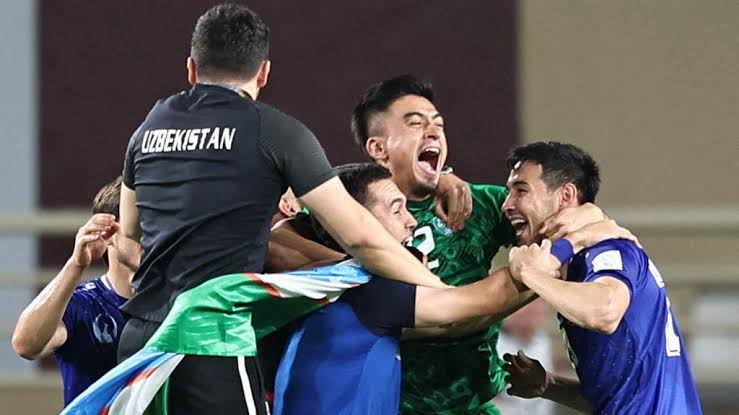
Rise of Asian Football on the Global Stage
Asian football has grown into a serious force over the last few decades, with national teams improving in structure, tactics, and global competitiveness. Fans now follow tournaments like the AFC Asian Cup and FIFA World Cup qualifiers with far more attention because Asian teams are no longer easy opponents. Countries such as Japan, South Korea, and Iran consistently produce players who perform in top European leagues, which has lifted the overall standard across the continent. Even newer platforms like kuwin com often highlight how rapidly Asian football is evolving in global rankings and discussions.
Key Overview Points
- Asian teams now regularly qualify for the FIFA World Cup
- Investment in youth academies has improved long-term performance
- More players are moving to European leagues for development
- Tactical discipline has become a major strength of Asian squads
The rise of Asian football is not accidental. It is the result of structured development programs, stronger domestic leagues, and exposure to international competition. As a result, the gap between Asian teams and traditional football powerhouses is narrowing, even if challenges still remain in consistency and depth.
Japan’s Consistent Excellence in International Football
Japan stands out as one of the most successful Asian football teams in modern history. Their consistent World Cup appearances and strong performances against European and South American teams have made them a benchmark in Asia. Japan’s domestic league, the J-League, has played a major role in developing disciplined and technically skilled players.
Key Overview Points
- Regular qualification for FIFA World Cup tournaments
- Strong performances against Germany and Spain in recent competitions
- Well-structured youth development system
- Large number of players active in European leagues
Japan’s football philosophy focuses on teamwork, precision passing, and tactical awareness. These qualities allow them to compete at a high level even against physically stronger teams. Their recent achievements show that they are no longer just participants but genuine contenders capable of reaching knockout stages consistently.
South Korea’s Fighting Spirit and Global Impact
South Korea is another dominant force in Asian football, known for its intensity, fitness, and never-give-up attitude. The national team has a strong legacy, including historic runs in the FIFA World Cup. South Korean players are also highly respected in Europe, particularly in the English Premier League.
Key Overview Points
- Historic World Cup semi-final appearance in 2002
- Consistent qualification for major tournaments
- Star players performing in top European clubs
- Strong emphasis on physical fitness and discipline
South Korea’s recent performances show a balanced team that blends experienced leaders with young emerging talent. Their ability to press high and maintain intensity throughout matches makes them one of the most difficult opponents in Asia.
Iran’s Dominance in West Asian Football
Iran has long been one of the strongest teams in the Asian Football Confederation, particularly in West Asia. Known for their physical style and tactical discipline, Iran regularly qualifies for the FIFA World Cup and dominates regional competitions.
Key Overview Points
- Frequent FIFA World Cup appearances
- Strong defensive organization and counterattacking style
- Consistent dominance in West Asian competitions
- Talented forwards playing in European and Asian leagues
Iran’s strength lies in its defensive structure and ability to frustrate stronger opponents. While they may not always progress deep into global tournaments, their consistency in qualification and regional dominance makes them a top-ranked Asian team.
Saudi Arabia’s Rapid Football Development
Saudi Arabia has made significant progress in recent years, especially with increased investment in football infrastructure and the domestic league. Their shock victory over Argentina in the 2022 FIFA World Cup is one of the most memorable results in modern football history.
Key Overview Points
- Historic win against Argentina in the FIFA World Cup
- Strong domestic league attracting international stars
- Regular participation in World Cup tournaments
- Improved youth development programs
Saudi Arabia’s football growth is closely linked to national investment in sports. The Saudi Pro League has become more competitive, helping local players improve by playing alongside experienced international talent. This progress has elevated their status in Asian football rankings.
Australia’s Competitive Growth in Asian Football and Global Integration Insights
Australia, now part of the Asian Football Confederation, has added a new level of competitiveness to regional football. The team brings a physical and fast-paced style that challenges traditional Asian powerhouses. Over the years, Australia has consistently performed well in both the AFC Asian Cup and the FIFA World Cup.
Key Overview Points
- AFC Asian Cup champions in 2015
- Regular qualification for FIFA World Cup
- Strong physical and tactical playing style
- Players competing in top European leagues
Australia’s integration into Asian football has raised the competitive standard of the region. The country also emphasizes structured governance and professional systems, including compliance frameworks like Điều khoản sử dụng in digital sports platforms and fan engagement systems, reflecting how modern football management extends beyond the pitch.
Emerging Forces in Asian Football: UAE, Iraq, and Beyond
Beyond the traditional powerhouses, several emerging teams are beginning to make their mark. The United Arab Emirates, Iraq, and other Southeast Asian nations are steadily improving through better coaching and international exposure. These teams may not yet match the consistency of top-ranked sides, but their progress is noticeable.
Key Overview Points
- Improved performances in AFC qualifiers
- Investment in grassroots football development
- Growing number of players in foreign leagues
- Stronger tactical awareness in recent tournaments
These emerging teams represent the future depth of Asian football. As development programs continue to expand, the gap between top-tier and mid-tier Asian nations is expected to shrink further in the coming years.
Conclusion: Comprehensive Ranking and Future Outlook of Asia’s Best Football Teams in International Success and Rising Achievements
Asian football is entering a new era where competition is stronger, talent is deeper, and international respect is growing rapidly across all major tournaments and rankings. Japan, South Korea, Iran, Saudi Arabia, and Australia lead the way, each bringing unique strengths that contribute to the overall rise of the continent. From tactical discipline to physical intensity and technical development, these teams represent different football identities that collectively push Asia forward on the global stage.
