


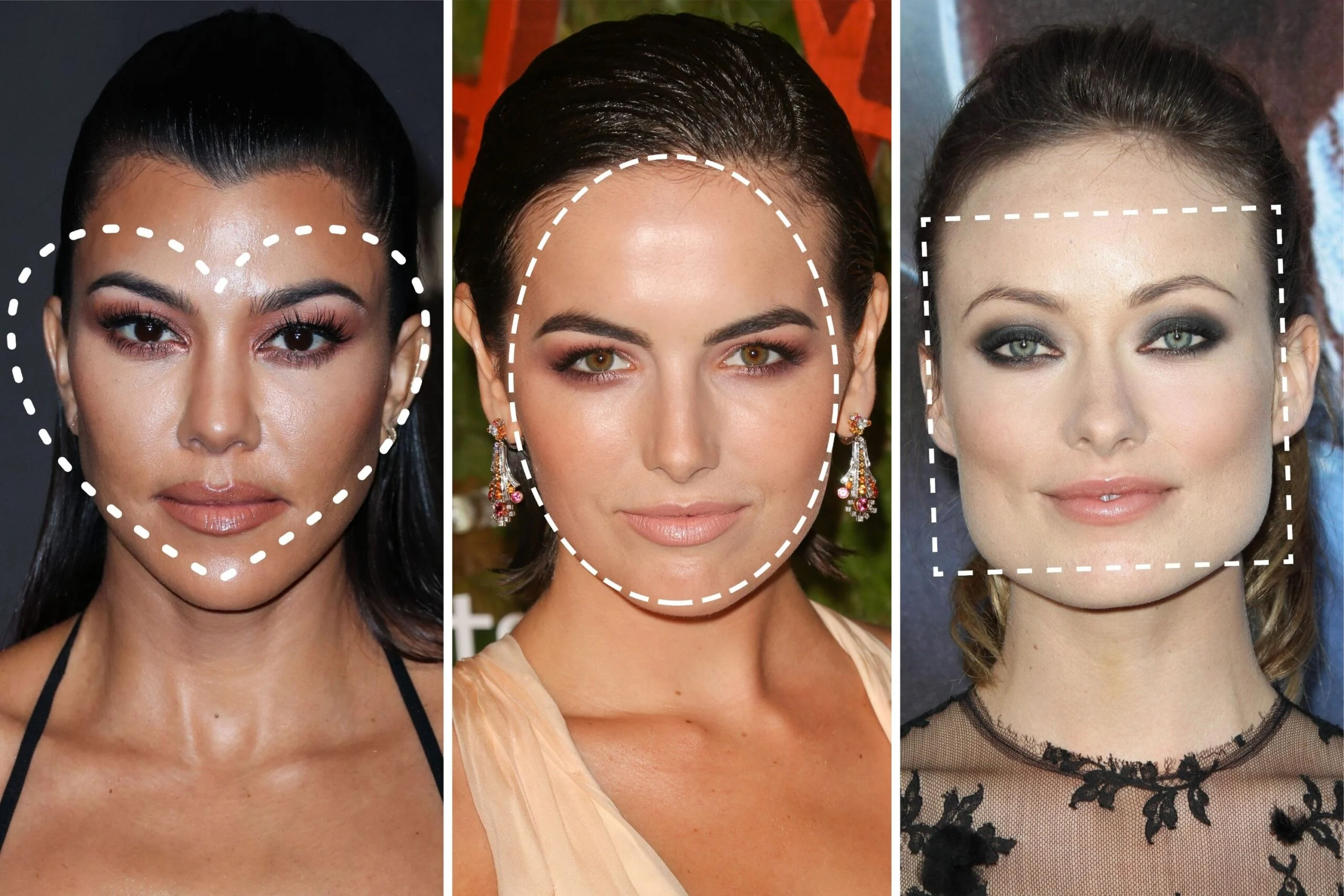
Understanding your face shape can make a significant difference when selecting hairstyles, glasses, makeup techniques, and even accessories. While many people focus on fashion trends, knowing what naturally complements your facial structure often produces the best results. If you’ve ever wondered how to find your face shape, this guide will help you identify it accurately and use that knowledge to enhance your appearance.
Why Your Face Shape Matters
Your face shape influences how different styles frame your features. A haircut that looks fantastic on one person may not have the same effect on another because facial proportions vary. By identifying your face shape, you can make more informed choices that highlight your best features and create a balanced look.
What You’ll Need
Before you begin, gather the following:
A mirror
A measuring tape or ruler
A notebook or phone for notes
Good lighting
Hair tied back away from your face
With your hair pulled back, you’ll be able to see the natural outline of your face more clearly.
How to Find Your Face Shape Step by Step
1. Measure Your Forehead
Measure the widest part of your forehead, usually halfway between your eyebrows and hairline. Write down the measurement.
2. Measure Your Cheekbones
Locate the highest point of each cheekbone and measure the distance across your face. This is often one of the most important measurements for determining face shape.
3. Measure Your Jawline
Measure from the tip of your chin to the area below your ear where your jaw bends upward. Multiply this number by two to get your full jawline measurement.
4. Measure Face Length
Measure from the center of your hairline down to the bottom of your chin. This will help determine whether your face is longer than it is wide.
Common Face Shapes Explained
Once you have your measurements, compare them to the descriptions below.
Oval Face Shape
An oval face is considered one of the most balanced shapes.
Characteristics:
Face length is greater than cheekbone width
Forehead is slightly wider than the jawline
Rounded jawline
Soft facial contours
People with oval faces can typically wear a wide variety of hairstyles and eyewear styles.
Round Face Shape
A round face has similar width and length measurements.
Characteristics:
Full cheeks
Rounded jawline
Soft angles
Equal face width and length
Styles that add height and create the illusion of length often work well for round faces.
Square Face Shape
Square faces are known for strong, defined features.
Characteristics:
Forehead, cheekbones, and jawline have similar widths
Sharp jawline
Broad forehead
Angular appearance
Layered hairstyles and softer shapes can help balance strong facial angles.
Heart Face Shape
Heart-shaped faces are wider at the forehead and narrower toward the chin.
Characteristics:
Broad forehead
High cheekbones
Narrow jawline
Pointed chin
Many people with heart-shaped faces benefit from styles that add volume around the lower part of the face.
Diamond Face Shape
Diamond faces are characterized by prominent cheekbones.
Characteristics:
Narrow forehead
Wide cheekbones
Narrow jawline
Defined facial structure
This face shape often looks striking with styles that soften the cheekbone area.
Oblong Face Shape
An oblong face is longer than it is wide.
Characteristics:
Long face length
Straight cheek lines
Similar forehead and jawline widths
Styles that add width rather than height can help create visual balance.
The Mirror Tracing Method
If measurements seem complicated, try the mirror tracing method.
Stand in front of a mirror with your hair pulled back. Using a washable marker or lipstick, carefully trace the outline of your face on the mirror. Step back and examine the shape you’ve drawn. The outline often makes it easier to identify whether your face is oval, round, square, heart, diamond, or oblong.
Common Mistakes When Identifying Face Shape
Many people make errors because they focus on only one feature.
Avoid these mistakes:
Ignoring face length
Measuring with hair covering the forehead
Assuming face shape based on celebrity comparisons
Forgetting to consider jawline width
Accurate measurements provide a much clearer answer.
Choosing Styles Based on Your Face Shape
Once you know your face shape, you can make smarter styling choices.
Hairstyles
Different cuts can enhance facial proportions. For example, long layers often complement round faces, while textured styles can soften square jawlines.
Eyeglasses
Frame shapes can either emphasize or balance facial features. Choosing frames that contrast your face shape often creates a harmonious appearance.
Makeup Techniques
Contouring, highlighting, and blush placement can be adjusted to suit different facial structures, helping create a balanced and polished look.
Final Thoughts
Learning how to find your face shape is a simple process that can improve many aspects of your personal style. By taking a few measurements and understanding the characteristics of each face shape, you can choose hairstyles, glasses, and makeup techniques that naturally enhance your features. Rather than following every trend, use your face shape as a guide to discover the looks that suit you best and boost your confidence.
