


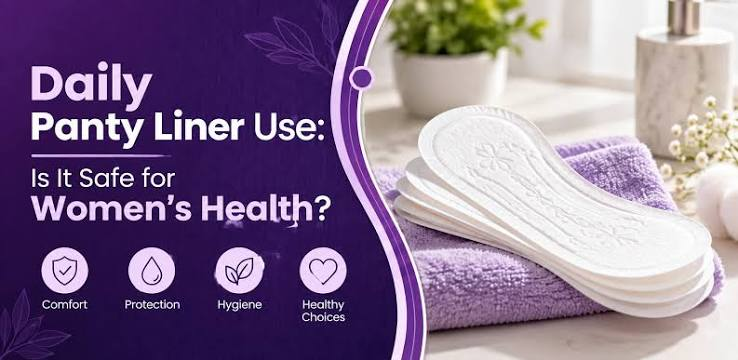
Intimate care is personal, and the products that work well for one person may not feel the same for someone else. Daily discharge, light spotting, physical activity, warm weather, and individual skin preferences can all influence whether a panty liner feels comfortable throughout the day.
Choosing the right product involves more than selecting a familiar brand or material. Surface texture, absorbency, fit, fragrance, backing materials, and intended use all deserve consideration. For people who experience discomfort with certain products, understanding these features can help make everyday intimate care more manageable.
While no single product can guarantee irritation-free use for everyone, a thoughtful selection process can help you identify options that suit your needs.
Understanding Your Everyday Intimate Care Needs
Before choosing a panty liner, consider why you want to use one. Some people prefer liners for managing normal vaginal discharge, while others use them for light spotting or as additional protection alongside another menstrual product.
Your needs may change throughout the month. The amount of discharge, activity level, climate, and personal comfort preferences can all influence your choice.
Identify When You Need a Liner
Panty liners are generally designed for light moisture management rather than heavy menstrual flow. Their thinner construction makes them different from sanitary pads, which are intended to absorb more menstrual fluid.
Consider the situations in which you find a liner useful. You might prefer one during the days before or after your period, when experiencing light spotting, or when you want extra protection against moisture.
You may not need to wear a liner every day. Normal vaginal discharge is part of the body’s usual functioning, and choosing when to use an intimate care product is a matter of personal preference.
If discharge changes noticeably in colour, consistency, or smell, particularly alongside itching or discomfort, consider seeking advice from a healthcare professional.
Why Material Choice Matters for Sensitive Skin
The material that comes into contact with the skin can influence the feel of a panty liner. Some people prefer a soft, cotton-based surface, while others prioritise a thin design or a particular absorbent structure.
For those searching for panty liners for sensitive skin, it helps to understand the difference between the surface layer and the complete product.
A liner may contain several components, including a top sheet, absorbent core, adhesive, and protective backing. Each component serves a different purpose, and the overall experience depends on how they work together.
Look Beyond the Top Layer
A cotton-based top layer may provide a familiar, fabric-like feel. However, the entire product may not be made from cotton. The absorbent core and backing can contain different materials selected for moisture management and protection.
When comparing products, check the manufacturer’s material information to understand which component contains cotton and whether the product includes other materials that matter to you.
A product description that mentions cotton should not automatically be interpreted as meaning every layer is made from that fibre.
Consider Organic Cotton
Organic cotton is produced according to applicable organic agricultural and processing standards. Some consumers prefer it because of how the cotton is sourced.
However, an organic cotton claim does not automatically establish that the entire liner is organic, biodegradable, or suitable for every skin type. It is useful to check the scope of the claim and any supporting certification information.
Comfort also depends on factors beyond sourcing, including the fibre finish, liner construction, fit, and individual skin sensitivity.
Fragrance and Other Product Ingredients
Fragrance is another consideration when selecting intimate care products. Although scented products may appeal to some consumers, added fragrance can cause discomfort for people who are sensitive to particular ingredients.
If you have previously experienced irritation while using fragranced products, you may wish to consider a fragrance-free option.
What Does Fragrance-Free Mean?
Fragrance-free generally indicates that fragrance has not been added to the product. It does not mean that the product contains no other ingredients or that irritation is impossible.
Other components, including adhesives and materials used in the absorbent core or backing, may also affect individual comfort.
If you know that a particular ingredient causes a reaction, review the available product information carefully. When the full ingredient or material composition is not listed, contacting the manufacturer may help clarify what is used.
Be Careful With Broad Safety Claims
Words such as “natural,” “gentle,” and “skin-friendly” can describe a product’s positioning, but they do not guarantee that every person will tolerate it equally well.
Similarly, a dermatological testing claim should be understood in the context of the testing performed rather than as proof that a product can never cause irritation.
A practical approach is to look for specific material information, avoid ingredients you already know you do not tolerate, and stop using a product if it causes persistent discomfort.
Absorbency and Moisture Management
Absorbency is important when selecting a liner, but choosing the product with the highest possible absorbency is not necessarily the goal. The more useful question is whether the product is appropriate for the type and amount of moisture you want to manage.
Panty liners are commonly intended for everyday discharge, light spotting, or additional protection. They are not designed to replace sanitary pads during heavy menstrual flow.
Understand How the Layers Work Together
The top sheet receives moisture, the absorbent core helps retain it, and the backing helps reduce transfer to underwear.
The effectiveness of this arrangement depends on the materials and construction used. A soft top layer alone does not determine how much moisture the liner can absorb or how dry its surface will feel.
If a liner becomes damp, saturated, or uncomfortable, replace it rather than continuing to wear it. Follow the manufacturer’s usage instructions and avoid relying on a liner beyond its intended capacity.
Avoid Unnecessary Prolonged Wear
Wearing a damp liner for an extended period can contribute to an uncomfortable environment around the external genital area. Changing it when needed and maintaining gentle hygiene habits can help support comfort.
Some people may also find that they feel more comfortable using liners only when necessary rather than continuously throughout the day.
The right routine is one that meets your needs without creating additional discomfort.
Fit, Shape, and Flexibility
Even a soft liner may be uncomfortable if its shape does not suit your underwear or if it shifts during movement.
Fit is particularly important for people who spend long hours sitting, travel frequently, exercise, or move around throughout the day.
Choose Suitable Coverage
Liners vary in length, width, shape, and thickness. A narrow design may be discreet but provide less coverage than some users prefer. A wider or longer liner may feel more secure for others.
Consider the style of underwear you usually wear and whether the liner remains comfortably positioned during normal movement.
Customer feedback can sometimes provide useful information about sizing and fit, but personal experience will still vary.
Pay Attention to Adhesive Placement
The adhesive should hold the liner in place without causing the product to bunch or fold. Follow the manufacturer’s directions when attaching it to underwear.
A liner that repeatedly shifts may cause friction or become distracting. If that happens, try a different shape or size rather than assuming that the material itself is the problem.
Breathability and Everyday Comfort
Breathability refers to how air or water vapour can move through a material or product structure. It can influence comfort, particularly in warm weather or during physical activity.
However, breathability depends on the entire liner, including its protective backing. A cotton surface does not automatically mean that the complete product allows unrestricted airflow.
Consider Your Environment and Routine
Warm, humid conditions and physical activity may make moisture management more noticeable. A liner that feels comfortable during a short outing may feel different after several hours of movement.
Changing the liner when needed, wearing comfortable underwear, and avoiding unnecessarily tight clothing may help reduce friction and discomfort.
No liner can guarantee that the skin will remain completely dry under every condition. It is more useful to consider the product’s intended use alongside your own comfort and routine.
Exploring Skin-Friendly Panty Liners
People comparing skin-friendly panty liners may wish to prioritise a soft surface, appropriate absorbency, a comfortable fit, and clear material information.
Flawsome’s 100% Organic Cotton Panty Liners are marketed with an organic cotton-based top layer and features relating to softness and skin comfort. The product listing provides pack-size options of 20, 30, 60, and 90 liners.
The product information also describes an absorbent airlaid core and a breathable waterproof backing. These details are worth reviewing because the surface, absorbent layer, and backing each contribute to the overall construction.
The product’s skin-friendly and irritation-related descriptions should be treated as manufacturer claims rather than guarantees for every user. If you have known sensitivities, check the available material details before making a purchase.
Panty liners are intended for light moisture management and should not be used as a substitute for products designed for heavy menstrual flow. They should also be disposed of in a waste bin rather than flushed.
Building a Practical Intimate Care Routine
Product selection is only one part of a comfortable routine. Everyday habits can also make a difference.
Change liners when needed. Replace a liner when it becomes damp, soiled, or uncomfortable, following the product’s directions.
Keep external cleansing gentle. Use water or a mild, non-irritating cleanser on the external intimate area if needed. Avoid internal vaginal cleansing, which is unnecessary.
Choose comfortable underwear. A suitable fit can reduce shifting and friction. Breathable fabrics may also feel more comfortable for some people.
Avoid products that trigger discomfort. If a particular liner consistently causes itching or irritation, stop using it and consider whether a different material or design may suit you better.
Do not ignore persistent symptoms. Ongoing itching, burning, soreness, or unusual discharge should not automatically be attributed to a panty liner. Seek medical advice if symptoms persist or recur.
These habits can help you make choices based on comfort rather than assuming that a single product or material works for everyone.
Conclusion
Selecting a panty liner involves balancing material preferences, absorbency, fit, fragrance, breathability, and intended use. Cotton-based surfaces may appeal to people who prefer a soft, familiar feel, while organic cotton can provide additional information about how the cotton material is sourced.
However, neither cotton nor an organic label guarantees irritation-free use. The complete product construction and an individual’s sensitivities also matter.
When comparing panty liners for sensitive skin or other skin-friendly panty liners, review the available material details, choose a product suited to light moisture management, and pay attention to how it feels during use. A comfortable intimate care routine is ultimately one that supports your individual needs without introducing unnecessary discomfort.
