


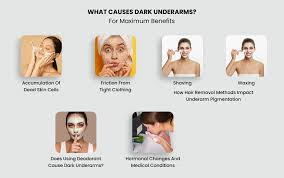
Underarm pigmentation is a common concern that can make the skin beneath your arms appear darker than the surrounding areas. It can develop gradually due to everyday habits, repeated irritation, hair removal, or changes in skin pigmentation. Although underarm darkening is often harmless, understanding its cause is important when choosing the right skincare approach.
The underarm area has unique needs because it experiences friction, sweat, and frequent contact with clothing and personal care products. Using harsh treatments to lighten the skin can sometimes increase irritation and make pigmentation more noticeable.
A gentle, consistent routine can help support the skin barrier, reduce common sources of irritation, and improve the appearance of uneven skin tone over time.
What Causes Underarm Pigmentation?
Underarm darkening can have several causes. Identifying the likely trigger helps you choose suitable products and avoid habits that may worsen the concern.
1. Friction and Repeated Irritation
The underarms experience frequent movement and rubbing against clothing and nearby skin. Tight sleeves, repetitive friction, and moisture can irritate this sensitive area.
When the skin becomes inflamed, it may produce additional melanin as part of its response. This can leave darker patches after the original irritation has settled, a process known as post-inflammatory hyperpigmentation.
Reducing friction and allowing irritated skin to recover are important first steps.
2. Shaving and Hair Removal
Shaving, waxing, and plucking can cause irritation, ingrown hairs, and minor skin injuries. Repeated inflammation may contribute to uneven pigmentation, especially in people whose skin is more prone to post-inflammatory dark marks.
Use a clean, sharp razor if you shave, avoid dry shaving, and minimise repeated strokes over the same area. If a particular hair removal method consistently causes irritation, consider an alternative that is more comfortable for your skin.
Avoid applying strong exfoliants or brightening products immediately after hair removal, when the skin may be more sensitive.
3. Deodorants and Personal Care Products
Some deodorants, fragrances, and other personal care products can trigger irritation or allergic reactions. Persistent itching, redness, or burning may indicate that a product is not suitable for your skin.
If you suspect a product is causing irritation, discontinue it and allow your skin to recover. Consider simpler formulations designed for sensitive skin, and introduce replacements one at a time.
Remember that underarm pigmentation is not necessarily a sign of poor hygiene. Scrubbing harder or washing repeatedly will not remove pigmentation and may make irritation worse.
4. Hormonal and Medical Factors
Not all underarm darkening results from everyday skincare habits. Certain medical conditions can also change the appearance of skin in body folds.
Acanthosis nigricans, for example, may cause dark, thickened, velvety skin in the underarms, neck, or groin. It can be associated with insulin resistance and other medical or hormonal conditions.
If darkening develops suddenly, spreads, becomes thick or velvety, or appears alongside other unexplained symptoms, consult a healthcare professional. Treating the underlying cause may be more important than using a cosmetic brightening product.
How to Build a Gentle Underarm Skincare Routine
A suitable routine should focus on keeping the skin comfortable, minimising irritation, and introducing targeted products carefully.
Step 1: Cleanse Without Overwashing
Clean the underarms gently during your regular bathing routine. Use a mild cleanser that does not leave the skin feeling tight or irritated.
Avoid abrasive scrubs, harsh soaps, and excessive washing. These approaches can disrupt the skin barrier and contribute to further inflammation.
After bathing or exercising, gently pat the area dry rather than rubbing it vigorously with a towel.
Step 2: Reduce Friction and Moisture
Choose comfortable clothing that allows movement and does not repeatedly rub against your underarms. Breathable fabrics may help you stay comfortable during warm weather or physical activity.
Change out of sweaty clothing when practical, and avoid tight garments that consistently cause chafing.
Reducing irritation is particularly important because pigmentation may persist or recur when the original trigger remains.
Step 3: Moisturise When Needed
Moisturising can help support the skin barrier, particularly if shaving, cleansing, or other products leave the area dry.
Choose a product that feels comfortable and does not cause stinging or itching. If the skin is already irritated, focus on gentle cleansing and moisturising before introducing targeted pigmentation treatments.
Avoid applying new products to broken or inflamed skin.
Step 4: Introduce Targeted Skincare Carefully
Once your skin is comfortable, you may consider a product designed for uneven skin tone. Ingredients such as niacinamide and certain other brightening agents are used in skincare formulations targeting the appearance of pigmentation.
However, ingredient suitability depends on the formulation and your skin’s tolerance. The underarm area can be sensitive, so stronger is not necessarily better.
Introduce one new product at a time, follow the manufacturer’s directions, and patch-test before regular use. Stop using the product if you experience persistent burning, redness, itching, or swelling.
How to Choose an Underarm Pigmentation Treatment
When researching an underarm pigmentation treatment, consider whether the product is intended specifically for the underarm area and whether its formulation suits your skin.
Review the ingredient list, directions, and recommended frequency of application. A product designed for body pigmentation may fit into your routine, but its effectiveness will depend on the cause of the darkening and the formulation itself.
Avoid products that promise instant whitening or guaranteed pigmentation removal. Changes in skin tone generally take time, and results vary between individuals.
It is also important to address the source of irritation. Even a suitable topical product may provide limited benefit if shaving, friction, or an irritating deodorant continues to trigger inflammation.
What to Know About an Underarm Brightening Spray
An underarm brightening spray may appeal to people who prefer a convenient application format for their body skincare routine.
Before using one, check the product’s instructions to determine how it should be applied and whether it is appropriate for your skin type. Do not assume that every spray is suitable for freshly shaved or sensitive skin.
If the formulation contains exfoliating or other active ingredients, use it only as directed. Avoid combining it with several additional brightening treatments until you understand how your skin responds.
Consistency matters, but frequent application beyond the recommended directions can cause irritation rather than faster improvement.
Common Underarm Skincare Mistakes to Avoid
Certain habits can make pigmentation more difficult to manage.
Aggressive scrubbing: Friction from harsh scrubs may trigger inflammation and additional pigmentation.
Using lemon juice or baking soda: These home remedies can irritate sensitive skin and are not reliable treatments for pigmentation.
Applying products immediately after shaving: Freshly shaved skin may be more vulnerable to irritation from fragrances and active ingredients.
Layering too many treatments: Combining multiple exfoliating or brightening products can compromise the skin barrier.
Ignoring persistent symptoms: Ongoing itching, redness, thickening, or sudden colour changes may require medical assessment rather than cosmetic treatment.
A simple routine that avoids irritation is often a better starting point than an aggressive skin-lightening approach.
How Long Does Underarm Pigmentation Take to Improve?
The time required for visible improvement depends on the cause, the depth of pigmentation, individual skin characteristics, and the consistency of your routine.
Reducing irritation may help prevent further darkening, while existing pigmentation can take several weeks or months to fade. Some conditions require specific medical treatment rather than cosmetic skincare alone.
Avoid increasing the amount or frequency of a product simply because you have not noticed immediate results. Overuse may cause irritation and prolong the problem.
If pigmentation persists despite gentle care, a dermatologist can help identify its cause and recommend appropriate treatment options.
Final Thoughts
Underarm pigmentation can develop due to friction, hair removal, product irritation, or underlying medical factors. Understanding the cause is the first step towards building an effective and comfortable skincare routine.
Gentle cleansing, moisturising, reduced friction, and careful product selection can help support the skin barrier and improve the appearance of uneven tone over time.
If you are exploring targeted products, review World of Asaya’s underarm spray to determine whether its ingredients and application instructions suit your routine. Choose realistic, skin-friendly care rather than harsh methods promising overnight results.
Healthy-looking underarm skin begins with consistency, patience, and attention to the factors that affect it. If the darkening is sudden, persistent, or accompanied by thickened skin or other unusual symptoms, seek professional advice to rule out an underlying condition.
