


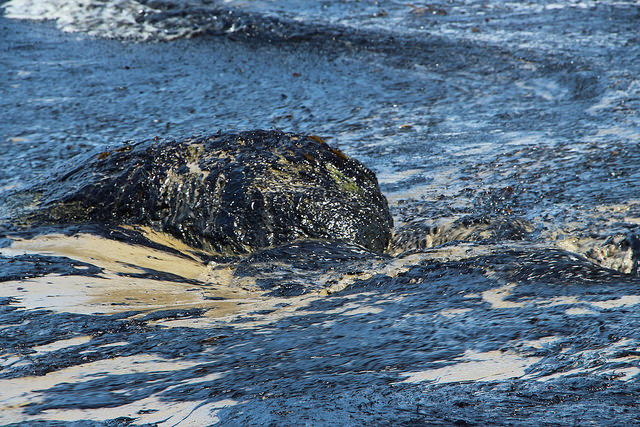
Environmental teams in the UAE are continuing the cleanup after an oil spill off the country’s coast, with the leak from a tanker reported brought under control while remediation work carries on along the affected shoreline. In Ras Al Khaimah, authorities have closed all beaches until further notice as a precaution, as specialists assess the water and clear residue from the sand.
The Response So Far
The priority in any marine spill is to stop the source, contain what has escaped and keep it away from sensitive areas. Officials say the leak has been contained, allowing the focus to shift to recovery: skimming and collecting oil from the water, treating affected stretches of beach and monitoring for further traces as tides move material along the coast. Environmental remediation of this kind is painstaking work, often continuing long after the visible slick has gone, because residue can linger in sand and shallow water.
Teams also watch for impacts on wildlife, and residents are asked to report any oiled birds or marine animals to the authorities rather than attempting to handle them, since specialist cleaning gives the animals their best chance of survival.
Beaches Closed and Residents Advised
The beach closures in Ras Al Khaimah are the most visible sign of the incident for the public. With the winter season beginning and the emirate’s coastline popular with swimmers, campers and weekend visitors, officials have chosen caution while water quality is verified. Swimmers should follow local guidance, stay away from closed areas and avoid contact with any visible residue, which can irritate skin and is best removed by cleanup crews with the right equipment.
Fishermen and boat owners are likewise advised to heed harbour notices, as contaminated gear and hulls can spread oil further and add to the cost and duration of the cleanup.
Why This Coastline Matters
The UAE’s Gulf shoreline supports far more than leisure. Its waters sustain local fisheries, feed desalination plants that supply much of the country’s drinking water and host marine habitats that have taken years of conservation work to protect. That is why even a contained spill triggers a large and sustained response: the earlier oil is recovered, the smaller the long-term footprint on the ecosystem and on the industries that depend on clean seas.
Regional cooperation also plays a part. Currents do not respect borders, and Gulf states share an interest in rapid notification and joint monitoring whenever an incident occurs in these busy shipping waters.
Officials say remediation will continue until the affected coastline is cleared and tests confirm the water is safe. For residents, the message is simple: enjoy the coast where it is open, respect the closures where they remain, and let the cleanup crews finish their work.
