


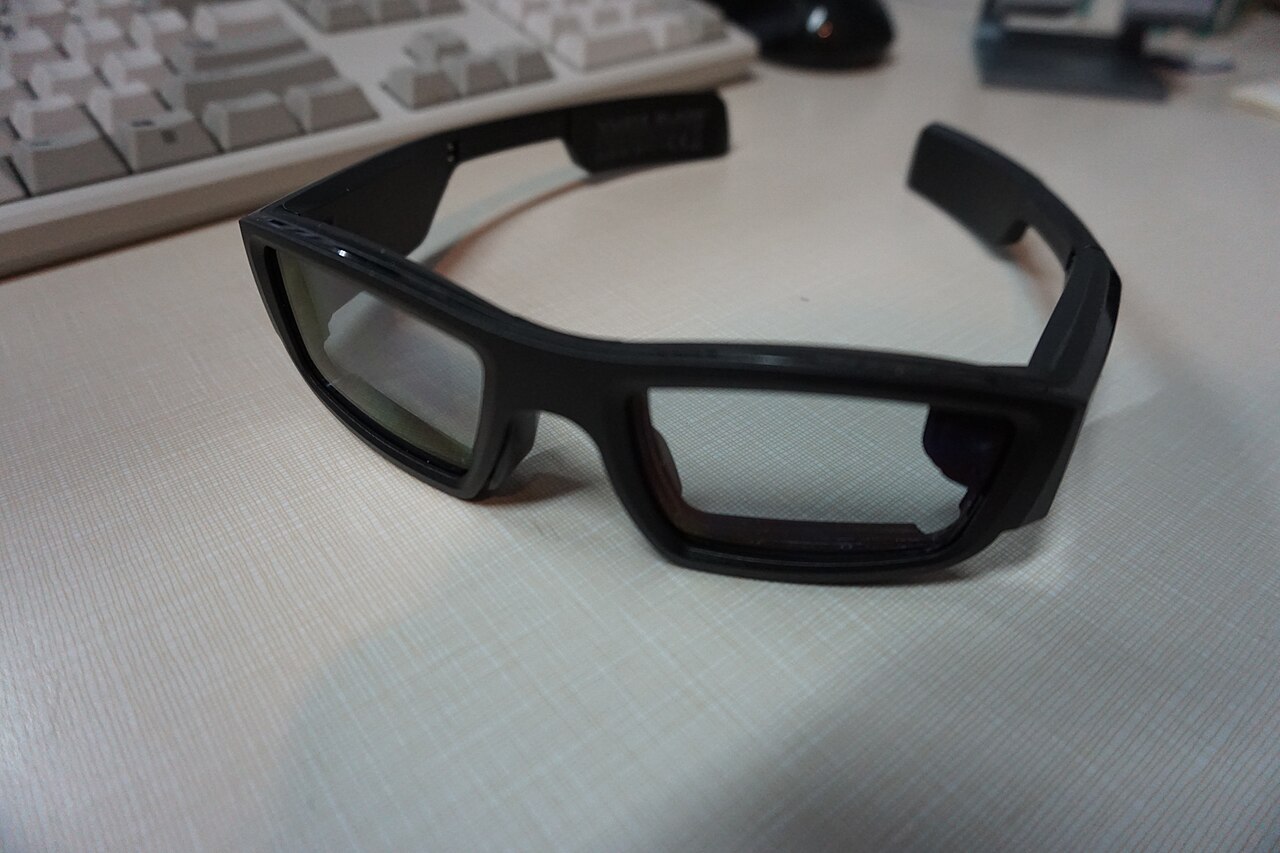
Smart glasses are shaping up to be the next big fight in consumer tech, and Samsung appears ready to step into it before the year ends. Reports suggest the company’s Galaxy Glasses will launch in select markets this December, marking Samsung’s first serious entry into eyewear that blends digital information with the real world.
Why December, and Why Only Select Markets
A limited launch is a common strategy for a first-generation wearable. It lets a company test demand, gather real-world feedback, and refine software before a wider rollout. December also places the glasses in front of holiday shoppers, even if only in a handful of countries, and gives Samsung a headline product in a season usually dominated by phones and watches.
The timing matters for another reason: competition is accelerating. Camera-and-audio glasses from established eyewear partnerships have shown there is real consumer appetite for glasses that look normal but quietly add microphones, speakers, cameras, and voice assistance. Samsung, with its phone, watch, and earbud ecosystem, has been the most conspicuous absentee from that shelf.
What Galaxy Glasses Are Expected to Do
Details remain unconfirmed, but the category has settled into a clear shape. Expect glasses built first to look like ordinary eyewear, with technology layered in: voice control through an assistant, audio delivered through the frames, and a camera for hands-free photos and video. Deeper augmented-reality displays — graphics overlaid on the lenses — are the industry’s longer-term goal, though first models often keep things simpler to protect battery life and weight.
It is part of the wider rise of spatial computing that is reshaping how developers build digital experiences. Samsung’s advantage could be integration. Glasses that work hand in hand with a Galaxy phone, watch, and health data would slot into an ecosystem millions already use, much as its earbuds and wearables do today.
The Hurdles Every Smart Glass Faces
Price, privacy, and battery life remain the three tests for this category. Shoppers will pay a premium only if the glasses earn a daily place on their face. Cameras on eyewear raise bystander-privacy questions that companies must handle visibly and honestly, with clear recording indicators. And no one will tolerate glasses that need charging by lunchtime.
There is also the style question. Technology that is worn on the face has to be fashion first for many buyers, which is why partnerships with eyewear designers have become standard in this space.
If the December reports hold, Samsung’s glasses will close out the gadget year with one of its most interesting launches. The company rarely enters a category late without a plan to compete hard, and eyewear may be where the next platform battle — after phones and watches — is decided.
