


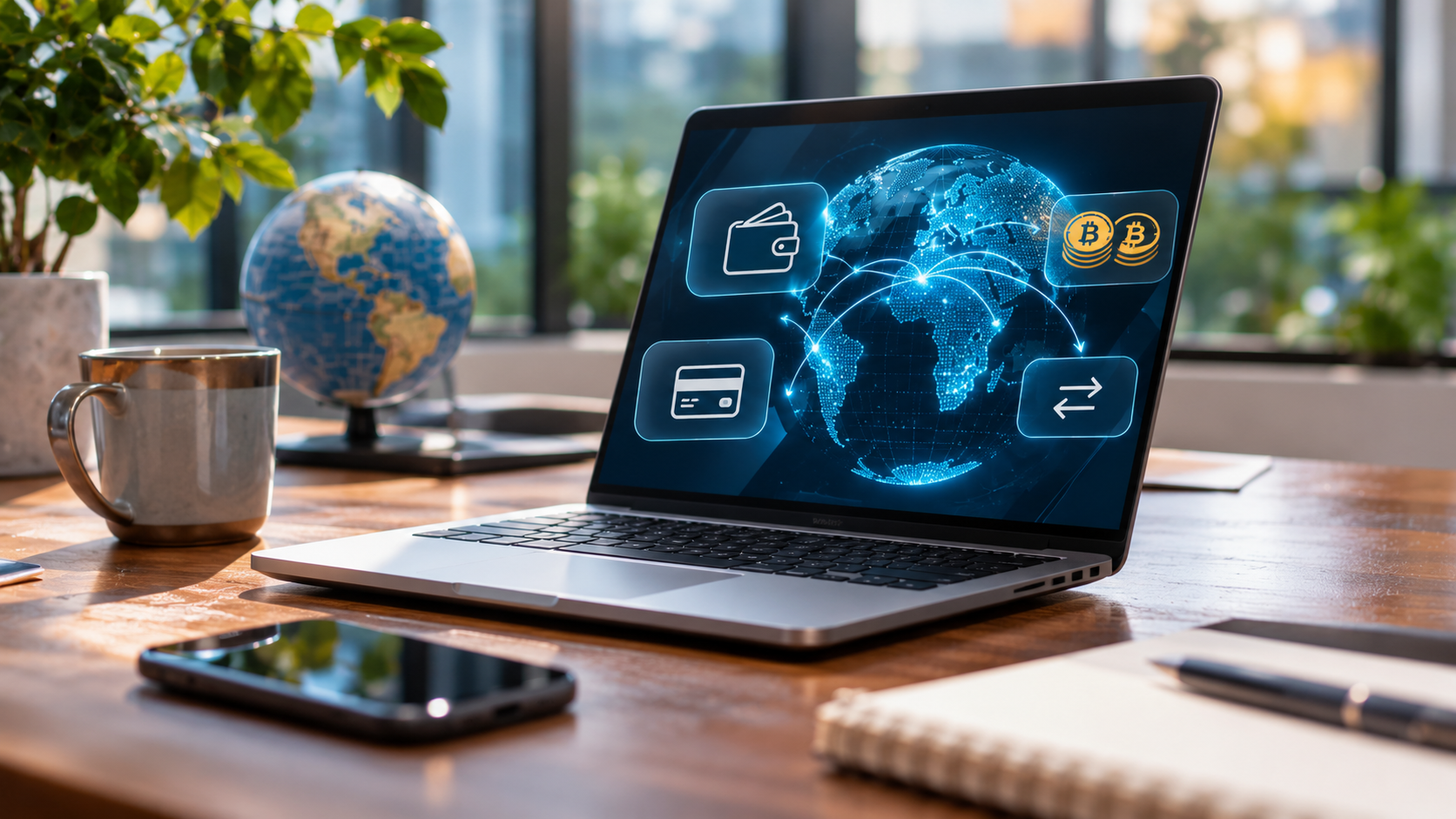
The way businesses send and receive money has changed significantly. Companies can now work with freelancers, suppliers and professional teams across different countries without relying entirely on traditional banking methods.
Digital wallets, cryptocurrency services, payment cards and automated transfers have created more flexible ways to manage international transactions. For businesses, the challenge is choosing payment solutions that offer convenience without compromising security, transparency or financial control.
A New Era of International Payments
Global business requires payment systems that can keep up with international operations. Whether a company is paying a freelance designer, settling a supplier invoice or distributing customer refunds, transfers need to be straightforward and dependable.
Traditional international payments can involve processing delays, intermediary banks and currency conversion charges. Modern digital platforms offer alternative methods that may simplify these processes.
Some of the most useful developments include:
- Digital wallets for receiving and sending money.
- Cryptocurrency exchanges and stablecoin transfers.
- Virtual and physical payment cards.
- Automated B2B and B2C payment processing.
Each option serves a different purpose, making it important to understand how they work.
Digital Wallets: Making Everyday Transactions Easier
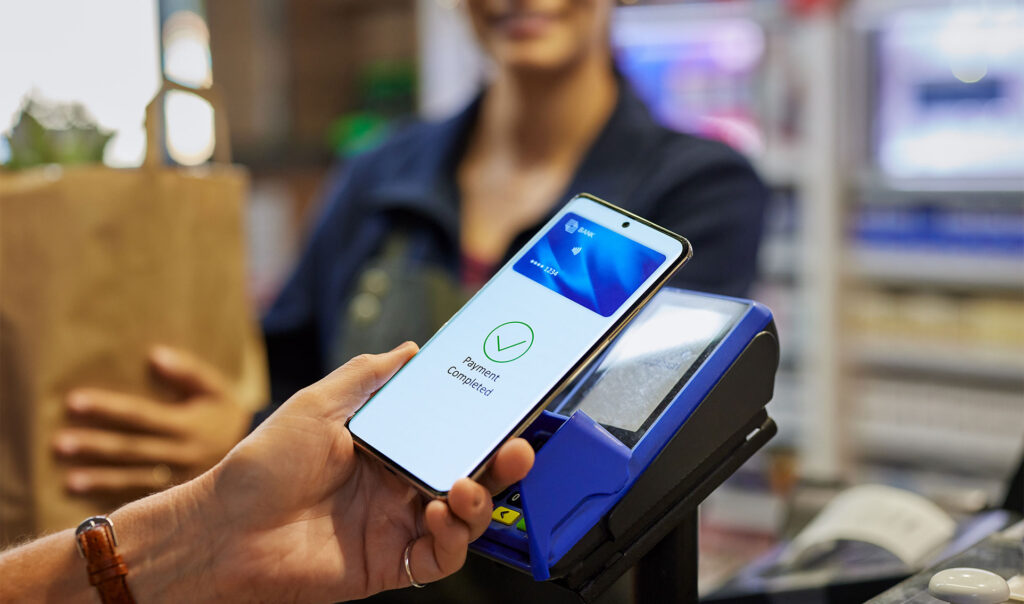
Electronic wallets have become an important part of modern financial services. They allow users to hold supported funds digitally and manage transactions through websites or mobile applications.
For international businesses, e-wallets can provide a convenient way to send and receive payments without depending exclusively on traditional bank accounts.
Why businesses and individuals use e-wallets:
- Convenient access to digital funds.
- Faster transfers between compatible accounts.
- Transaction histories for easier financial tracking.
- Support for multiple currencies on selected platforms.
However, availability and fees vary between providers. Users should check withdrawal options, account verification requirements and supported countries before choosing a service.
Crypto Swaps and Stablecoins: Another Way to Move Digital Value
Cryptocurrency has introduced additional possibilities for international payments. Users can exchange one digital asset for another through a process known as a crypto swap.
For example, someone holding Ethereum may exchange it for USDT or USDC, two stablecoins designed to maintain a value linked to the US dollar.
These assets can be useful in certain international payment arrangements, particularly when both parties have access to compatible wallets and services.
Before making a transaction, consider:
- Network fees: Blockchain transaction costs vary.
- Exchange rates: Conversion prices may change.
- Wallet compatibility: Incorrect network details can result in lost funds.
- Regulations: Cryptocurrency rules differ between countries.
- Stablecoin risks: Stablecoins are not risk-free or identical to bank deposits.
Businesses should understand the relevant legal requirements before using digital assets to pay international contractors or suppliers.
Virtual and Plastic Cards for Flexible Spending
Payment cards remain essential, even as digital financial services continue to evolve. Virtual and physical cards provide different ways to manage online and everyday purchases.
Virtual Cards
Virtual cards provide digital payment details for eligible online transactions. They can be useful for:
- Software subscriptions.
- Online advertising expenses.
- Business purchases.
- Recurring digital services.
Some providers also offer spending limits, transaction notifications and card-freezing options.
Plastic Cards
Physical cards provide a familiar payment method for in-store purchases and contactless transactions. Depending on the issuer, they may also support ATM withdrawals.
For businesses, cards can help separate operational spending from contractor payments. Their fees, currency conversion rates and availability should always be checked in advance.
Faster B2B and B2C Transfers: Supporting Growing Businesses
Speed and reliability matter when money needs to move between companies and individuals.
B2B (Business-to-Business) payments include transactions between companies, suppliers, agencies and service providers.
B2C (Business-to-Consumer) payments involve transfers to individual recipients, such as customers, freelancers, affiliates or marketplace sellers.
Modern payment infrastructure can simplify both types of transactions through features such as:
- Batch payment processing.
- Scheduled transfers.
- Multiple currency support.
- Transaction tracking.
- Automated payment workflows.
- API integration with business systems.
These features can reduce repetitive administrative work and improve financial organisation. Actual settlement times still depend on the payment method, destination, compliance checks and receiving institution.
Paying International Contractors Without Unnecessary Complexity
Working with international professionals gives businesses access to a wider talent pool. However, paying people across borders requires a reliable process.
Companies should consider more than just the transfer fee. Contractors need payment methods they can access, understand and use in their own countries.
A suitable payment arrangement should offer:
- Clear pricing: Understand transfer and currency conversion charges.
- Accessible payment methods: Confirm that contractors can receive the chosen currency or payment type.
- Reliable processing: Check expected settlement times and transaction limits.
- Proper documentation: Keep invoices, payment confirmations and financial records.
- Compliance awareness: Consider relevant tax, reporting and regulatory requirements.
Businesses exploring solutions for paying international contractors can consider integrated platforms that bring different financial services together.
Volet is one example of a platform offering fiat and cryptocurrency management, cards, transfers and business payment services. Depending on account eligibility and supported regions, its services can help businesses manage different payment activities within a connected financial environment.
What Makes a Digital Payment Platform Trustworthy?
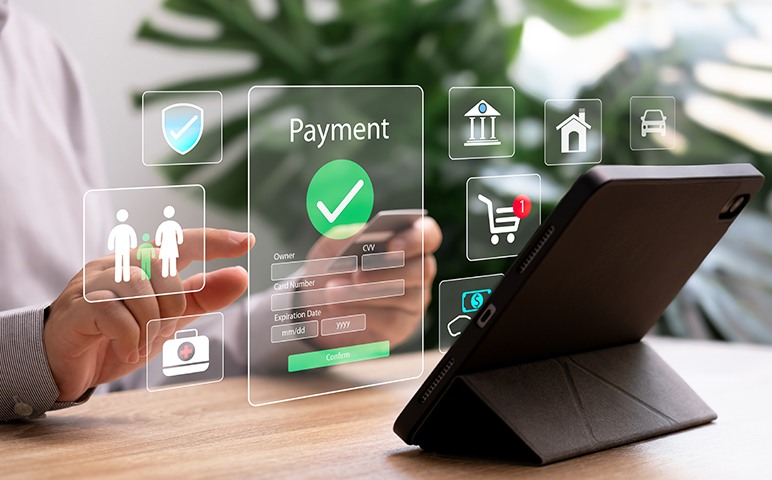
A platform may offer several attractive features, but businesses should evaluate its reliability before using it for important transactions.
Look for these essential qualities:
- Security: Account authentication and transaction monitoring.
- Transparency: Clearly explained fees and exchange rates.
- Compliance: Appropriate verification and regulatory procedures.
- Accessibility: Support for the countries and currencies involved.
- Customer assistance: Clear channels for resolving payment problems.
- Financial records: Transaction histories and reporting tools.
An integrated platform can simplify financial management, but users should always review its terms, limitations and available services before transferring funds.
Protecting Digital Payments in an Increasingly Connected World
Digital convenience also brings security responsibilities. Phishing messages, fraudulent websites and compromised accounts can expose both individuals and businesses to financial losses.
A few practical precautions can make a significant difference:
- Use strong, unique passwords.
- Enable multi-factor authentication.
- Verify recipient details before confirming transfers.
- Avoid opening suspicious payment links.
- Monitor account activity regularly.
- Restrict payment permissions within business teams.
Companies processing larger payment volumes should also introduce approval procedures and regular account reconciliation.
The Future of Global Business Payments
Digital payment technology is making international financial activity more flexible. E-wallets provide convenient account management, crypto swaps offer additional ways to exchange digital assets, and virtual and physical cards support everyday spending.
Meanwhile, automated B2B and B2C transfers help businesses manage payments to suppliers, contractors and customers across different markets.
The most effective solution is not necessarily the one with the most features. It is the one that combines suitable payment options with transparent pricing, dependable processing and strong security practices.
As global business continues to expand, choosing the right digital payment infrastructure can help organisations manage international transactions with greater confidence and less administrative complexity.
