


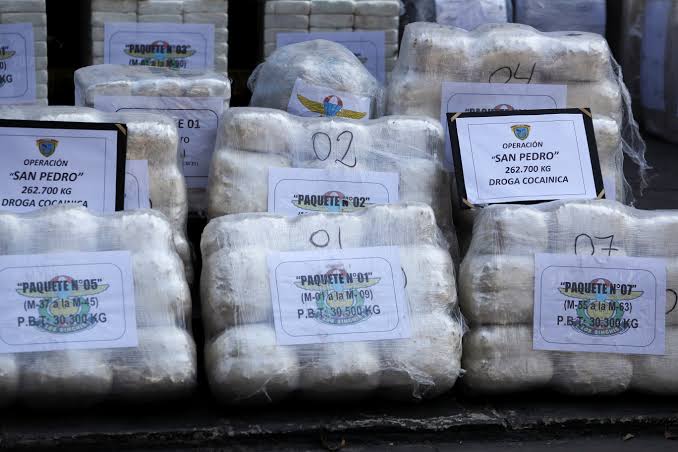
The term Peruvian cocaine frequently appears in online discussions about coca cultivation, international drug markets, and the history of cocaine production. Although the phrase may sound straightforward, understanding what it actually means requires looking at the coca plant, the production process, health concerns, and the reliability of claims made online.
For readers researching the subject, separating factual information from promotional language is especially important. Websites discussing controlled substances can present very different types of information, so understanding the broader context helps readers evaluate what they encounter online.
What Does Peruvian Cocaine Mean?
Peruvian cocaine generally refers to cocaine associated with coca cultivation and production in Peru. Peru has historically been one of the world’s major coca-growing countries, particularly in certain areas of the Andes.
Coca leaves have a long cultural history in South America and have traditionally been used by some Indigenous communities. However, coca leaves and cocaine are not the same thing. Cocaine is a processed stimulant produced through chemical extraction and refinement.
This distinction is often overlooked when the subject is discussed online.
Peru and the History of Coca Cultivation
Coca cultivation has existed in the Andes for centuries. Traditional coca-leaf use has been associated with cultural practices and the challenges of living at high altitude.
Modern cocaine production is a very different issue. International demand for cocaine has contributed to illegal cultivation, processing, trafficking, and significant social and environmental problems.
Because of this complicated history, references to Peruvian cocaine should be understood within a much broader geographical, economic, and public-health context.
Why Online Information Can Be Misleading
Searching for information about cocaine online can produce websites with dramatically different purposes. Some provide educational information, while others use attractive descriptions and marketing language to promote illicit products.
Words such as “premium,” “pure,” or “high quality” should not automatically be interpreted as verified facts. Unlike regulated medicines, illicit substances generally do not have the same standardized manufacturing and quality-control systems.
A professional-looking website also does not necessarily establish the identity of a seller, the origin of a product, or the accuracy of a purity claim.
Health Risks Associated With Cocaine
Cocaine is a powerful stimulant that affects the brain and cardiovascular system. Its effects can include increased alertness and energy, but it can also cause serious physical and psychological complications.
Potential risks include increased heart rate, elevated blood pressure, anxiety, agitation, seizures, and cardiovascular emergencies. Repeated use can also contribute to dependence and substance-use disorder.
Another major concern is uncertainty about the contents of illicit substances. A person may not know whether a substance contains additional chemicals or other drugs, making the effects difficult to predict.
Why Origin Does Not Mean Safety
Geographic labels can sometimes create the impression that one type of cocaine is inherently better or safer than another. That conclusion is not supported simply by a country-of-origin description.
A geographic label cannot guarantee composition, concentration, processing conditions, or safety. Two products carrying a similar description may differ considerably.
For this reason, discussions about Peruvian cocaine should focus on factual information rather than assuming that origin is proof of quality.
Understanding Websites Such as Sinaloachem
Sinaloachem is an example of an online website that appears in searches related to controlled substances. When researching any website in this category, readers should independently evaluate the information presented rather than relying solely on commercial claims.
Useful questions include whether information is supported by credible sources, whether health and legal considerations are clearly explained, and whether claims about products can actually be independently verified.
This kind of critical evaluation is valuable whenever consumers encounter websites discussing controlled or potentially dangerous substances.
Legal Issues and Online Drug Markets
Cocaine is a controlled substance in many countries, and laws surrounding possession, production, distribution, and importation can be severe. Regulations also vary between jurisdictions.
Online availability does not mean that an activity is legal. A website advertising a controlled substance does not override national or local laws.
Anyone researching the legal status of cocaine should consult official government or legal sources for current information rather than relying on statements made by online sellers.
The Importance of Responsible Online Research
The internet makes it easy to find information about almost any subject, but accessibility does not guarantee accuracy. This is particularly important when researching controlled substances.
Readers should compare claims across reputable health, scientific, and government sources. They should also be cautious of websites that make unusually strong claims about purity, safety, effectiveness, or guaranteed results.
Responsible research means looking beyond marketing terminology and considering evidence, context, and potential risks.
Final Thoughts
Peruvian cocaine is a subject connected to the history of coca cultivation, international drug trafficking, public health, environmental concerns, and complex legal questions. Understanding these issues provides a more accurate picture than relying on promotional descriptions found online.
When researching websites such as Sinaloachem or other online sources discussing controlled substances, readers should approach product claims critically and prioritize reliable health and legal information.
The most useful online content is content that provides context, acknowledges potential risks, and helps readers distinguish factual information from advertising. This approach can make discussions surrounding Peruvian cocaine more informative while encouraging responsible and evidence-based research.
