


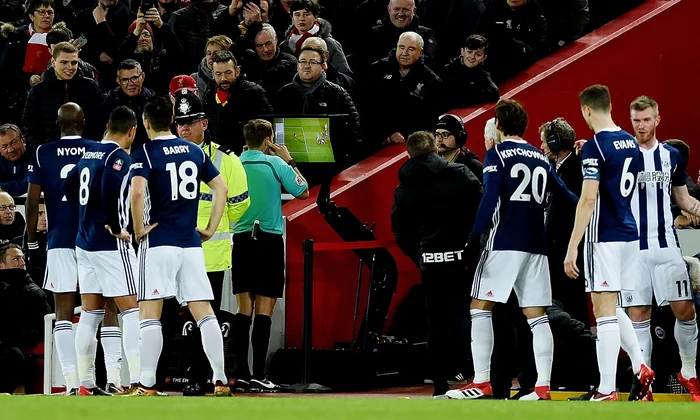
Penalty incidents in the 2017/2018 Premier League season were not evenly distributed. Certain teams consistently won more penalties due to their attacking style, while others conceded more due to defensive weaknesses. These patterns created predictable signals that influenced both match outcomes and betting markets.
Why Some Teams Won More Penalties Than Others
Teams that frequently attacked inside the penalty area naturally increased their chances of drawing fouls. High-possession sides and those relying on dribblers forced defenders into reactive situations.
The cause lies in sustained pressure within high-risk zones. The outcome is a higher likelihood of defensive errors. The impact is an increased number of penalties awarded, which can significantly alter scoring expectations in otherwise balanced matches.
Defensive Structures That Led to Conceding Penalties
Not all defensive systems handle pressure equally. Teams with disorganized backlines or slow defenders were more prone to committing fouls inside the box.
Before isolating specific patterns, it is useful to identify the defensive behaviors that repeatedly led to penalties:
- Poor positional awareness during quick transitions.
- Overreliance on last-ditch tackles instead of containment.
- Difficulty handling agile attackers in one-on-one situations.
- Excessive fouling in wide areas leading to dangerous entries into the box.
- Goalkeepers mistiming challenges when rushing off their line.
These factors created consistent vulnerabilities. When defenders operate under pressure without structural support, mistakes become more frequent. For bettors, recognizing these defensive tendencies allowed more accurate predictions of penalty likelihood in specific matchups.
Interpreting these patterns required understanding not just frequency, but the type of defensive breakdown involved.
The Role of Playing Style in Penalty Frequency
Penalty trends were closely tied to stylistic identity rather than overall team quality. Some mid-table teams generated more penalties than higher-ranked sides simply due to how they attacked.
Style-Based Comparison
Different tactical approaches influenced penalty rates in distinct ways:
- Wide attacking teams relying on crosses drew fewer penalties but created indirect pressure.
- Central attacking teams with dribblers generated more direct fouls in the box.
- Counterattacking teams earned penalties through isolated defensive mismatches.
- Possession-heavy teams accumulated pressure leading to repeated defensive errors.
This comparison highlights that penalties are not random events. They emerge from repeated tactical situations. The implication is that bettors who track style matchups gain a more consistent edge than those relying solely on historical totals.
How Penalty Trends Influenced Match Odds
Penalties carry a high conversion rate, meaning even a single incident can shift match outcomes. However, markets often treat penalties as low-probability events rather than integrating stylistic likelihood.
Observation reveals a gap between probability and pricing. Within a sports betting service where odds rely heavily on goal averages, ยูฟ่า สล็อต 168 reflects this imbalance by not fully weighting penalty-prone matchups into pricing models. The implication is that matches involving high-risk defensive teams or aggressive attackers may offer hidden value in goal-related markets.
Identifying High-Probability Penalty Matches
Not every fixture carries equal penalty potential. Certain conditions increase the likelihood significantly when combined.
A structured evaluation framework clarifies this:
- One team consistently attacking through central channels.
- Opponent showing defensive instability in recent matches.
- Presence of high-dribble attackers drawing fouls.
- Referee history indicating a higher penalty award rate.
- Match importance increasing pressure on defenders.
These criteria convert abstract tendencies into actionable insights. When multiple factors align, the probability of a penalty increases beyond baseline expectations.
Applying this approach allows bettors to anticipate key events rather than reacting after they occur.
When Penalty Trends Fail to Materialize
Despite strong indicators, some matches produce no penalties. This usually happens when expected conditions are disrupted.
Common limiting factors include:
- Defensive teams maintaining compact shape without overcommitting.
- Attackers opting for shots instead of dribbling into contact.
- Referees allowing more physical play without awarding fouls.
- Early goals reducing sustained attacking pressure.
- Weather or pitch conditions affecting player balance and decision-making.
These variables demonstrate that while trends provide guidance, they do not guarantee outcomes. The impact is the need for flexibility in interpretation rather than rigid expectation.
Broader Implications Across Betting Markets
Penalty patterns influence more than just goal scoring; they shape how risk and probability are distributed across different betting environments.
A noticeable connection appears when considering how unpredictable events affect user expectations. In a casino online context, similar variance-driven outcomes shift perceived probabilities away from long-term averages. The implication is that understanding how low-frequency, high-impact events operate improves decision-making beyond football-specific scenarios.
Integrating Penalty Data into Betting Strategy
Effective use of penalty data requires combining statistical trends with situational awareness. Raw numbers alone do not capture match dynamics.
The key is identifying when underlying conditions support the likelihood of penalties. This includes tactical matchups, player tendencies, and psychological pressure within the game.
Summary
Penalty trends in the 2017/2018 Premier League were shaped by attacking style, defensive weaknesses, and situational pressure rather than randomness. Teams that consistently entered dangerous areas or struggled defensively created predictable patterns in penalty outcomes. Bettors who understood these dynamics and applied contextual analysis were better positioned to identify value in goal-related markets and anticipate match-changing events.