


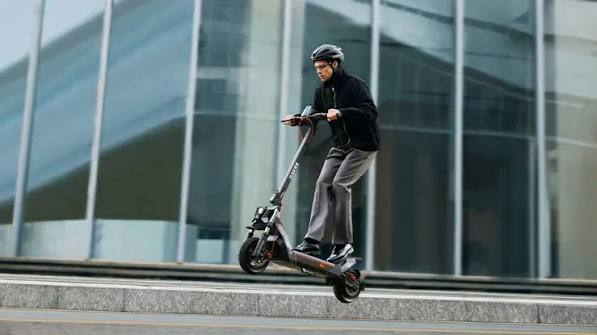
Electric scooters have become a practical transportation option across American cities, suburbs, and campuses. They’re used for short commutes, last-mile transit connections, and general neighborhood movement. Yet despite this widespread adoption, a surprising number of riders remain uncertain about what the law actually requires of them — particularly when it comes to licensing. Some riders assume they need the same credentials as a motorcycle operator. Others operate without knowing their state has specific rules. Both assumptions carry real risk, not because the law is especially strict, but because misunderstanding it creates unnecessary legal exposure.
The reality is that most Americans riding personal electric scooters do not need a driver’s license, and in many states, they face minimal regulatory requirements at all. But “most” is not “all,” and the distinctions matter. State laws vary significantly, classification thresholds differ, and local municipalities sometimes layer additional rules on top of what the state permits. Understanding where you fall within that framework is a basic operational concern for anyone who uses an electric scooter regularly — whether for personal transportation or as part of a larger mobility strategy.
The Licensing Question and Why It’s More Complicated Than a Yes or No Answer
The reason riders get confused about whether they can ride an electric scooter without license requirements is that there is no single federal rule governing personal electric scooters in the United States. Regulation is left almost entirely to individual states, which means the legal landscape — from definitions to enforcement — can shift dramatically depending on where you are. For a thorough breakdown of how these rules apply in specific contexts, the Electric Scooter Without License overview covers state-level distinctions in practical terms that riders can actually use.
At the federal level, the Consumer Product Safety Commission classifies certain low-speed electric vehicles, but stops short of imposing operational licensing requirements on riders of personal scooters. That regulatory gap hands authority directly to the states, and states have exercised that authority in noticeably different ways.
How States Define Electric Scooters Determines Everything
Most state licensing requirements — or the absence of them — hinge on how the state legally defines an electric scooter. The classification typically depends on factors like motor output and maximum speed capability. States that categorize low-speed electric scooters as a separate vehicle class distinct from mopeds or motorcycles generally impose the fewest restrictions. In these states, riders can legally operate a personal electric scooter on bike lanes and roads without holding any license whatsoever.
States that treat electric scooters more like motorized vehicles tend to require at minimum a valid driver’s license, and sometimes a specific endorsement. These requirements are not arbitrary — they’re tied to where the state permits the scooter to operate and what speeds it can reach. The same scooter model might be license-exempt in one state and classified as a moped in a neighboring state, requiring a moped endorsement and registration. Riders who travel or relocate without checking local rules can unknowingly move from compliance into violation without changing anything about how they ride.
Age Restrictions Often Substitute for Licensing Requirements
In states where adults can ride without a license, the law frequently imposes a minimum age threshold instead. This approach reflects a practical compromise: rather than requiring licensing paperwork for a low-speed personal vehicle, the state draws a line on maturity and legal accountability. In most of these states, the minimum age falls between sixteen and eighteen, with under-age riders either prohibited from operating independently or required to wear a helmet regardless of whether that helmet requirement applies to adults.
For adult riders, this means the primary compliance question often isn’t about licensing at all — it’s about helmet laws, speed restrictions, and where the scooter is permitted to be ridden. Understanding that distinction frees riders from unnecessary concern while directing attention toward the requirements that actually apply to them.
What Federal Guidelines Actually Cover — and What They Don’t
The federal government’s role in electric scooter regulation is narrower than most people assume. As documented by the U.S. Department of Transportation, federal oversight of personal mobility devices focuses primarily on manufacturing safety standards, not on who is permitted to ride them or under what conditions. This means that a scooter meeting federal safety requirements for electrical systems and braking does not automatically meet every state’s operational requirements — and passing federal safety thresholds says nothing about whether a license is required where you live.
Riders sometimes interpret federal safety certification as a blanket approval to ride anywhere without restriction. That interpretation is incorrect. Safety certification confirms the device was built to a standard. It does not govern where the device can legally be used, at what speeds, or by whom. Those determinations belong entirely to the states and, in some cases, to the municipalities within them.
City and County Rules Add Another Layer
Even when a state permits adults to ride an electric scooter without license requirements, local governments often impose their own additional rules. Some cities restrict electric scooters to designated bike paths. Others prohibit them from certain commercial districts or require riders to park them in specific zones. A smaller number of municipalities require riders to register their scooters with the city regardless of state rules.
These local additions don’t typically touch the licensing question directly, but they do affect how and where a rider can legally operate. A rider who is fully compliant with state law can still receive a citation for violating a city ordinance — and because local rules change more frequently and with less publicity than state statutes, staying current requires active attention rather than a one-time check.
Shared Scooter Programs Follow Different Rules
It’s important to distinguish between personally owned electric scooters and scooters accessed through shared rental programs. Shared scooter companies — those operating dockless fleets in urban areas — are subject to operator-level permits and agreements with the cities where they run. These companies carry their own insurance arrangements and operate under contracts that include safety and operational conditions.
For individual riders using a shared scooter, many programs require a driver’s license for account verification even when the state itself does not require one for the act of riding. This is a business decision made by the operator, not a legal requirement imposed by government. The distinction matters because riders sometimes form the impression that a license is universally required based on their experience signing up for a rental platform, when in reality the platform’s terms and the state’s legal requirements are separate things.
Insurance and Liability Considerations for Unregulated Riders
Where licensing is not required, liability still exists. A rider who causes property damage or injures another person while operating an electric scooter is not shielded from civil liability simply because they weren’t legally required to hold a license. Standard homeowner’s or renter’s insurance policies sometimes extend limited coverage to personal injury liability in these situations, but coverage is inconsistent and often disputed when a motorized vehicle is involved.
Riders operating without any awareness of their insurance position are taking on real financial risk, even if they’re operating in full compliance with state law. This isn’t a reason to avoid riding — it’s a reason to check existing policies and understand what they do and don’t cover before a problem arises.
Helmet Laws and the Safety Framework Around Licensing Gaps
Where states have chosen not to require a license for electric scooter operation, they have generally compensated with targeted safety requirements. Helmet laws are the most consistent example. Many states that permit license-free riding require helmets for riders under eighteen, and some extend that requirement to all riders regardless of age.
These requirements exist because the absence of a licensing process removes the formal safety education that comes with it. A rider who never applied for a motor vehicle license never completed any formal assessment of road-sharing knowledge. Helmet mandates and speed restrictions serve as a partial substitute — a floor of safety requirements that doesn’t demand full licensing but still acknowledges the risk profile of riding in traffic or shared spaces.
Practical Steps for Any Rider Navigating State Law
Given the variation across state lines and the frequency with which local rules are updated, riders benefit from a clear and methodical approach to understanding what applies to them:
• Check your state’s motor vehicle code for the specific definition of electric scooters, as that classification determines which regulatory tier the vehicle falls into and whether any license is required.
• Review local ordinances for the city or county where you ride most frequently, since municipal rules on where and how scooters can be used often go beyond what state law specifies.
• Confirm the operational specs of your specific scooter against any thresholds in your state’s definition, since a scooter capable of higher speeds may be classified differently than a lower-speed model even if both are marketed similarly.
• Review your existing insurance coverage to understand how — or whether — it applies when you’re operating a motorized personal vehicle on public roads or paths.
• Revisit these checks periodically, as state and local rules around electric scooters have been revised frequently in recent years as adoption has grown.
Conclusion
The core truth is straightforward: for a large portion of adult Americans riding personal electric scooters within their home state, no license is legally required. That said, the conditions attached to license-exempt riding — age rules, helmet requirements, speed limitations, and permitted riding zones — are real and vary considerably from one jurisdiction to the next. Operating under the assumption that “no license required” means “no rules apply” is a mistake that creates both legal and financial exposure.
What the law actually says about electric scooters is less about restriction than it is about classification. Where states have chosen to treat low-speed personal scooters as their own category of vehicle, they have generally made them accessible without the licensing burden carried by motorcycles or mopeds. That’s a deliberate policy choice intended to support urban mobility without adding unnecessary regulatory friction. Respecting that framework — understanding both what is permitted and what conditions still apply — is how riders stay protected and how this category of transportation maintains the practical legitimacy it has earned in cities across the country.
