


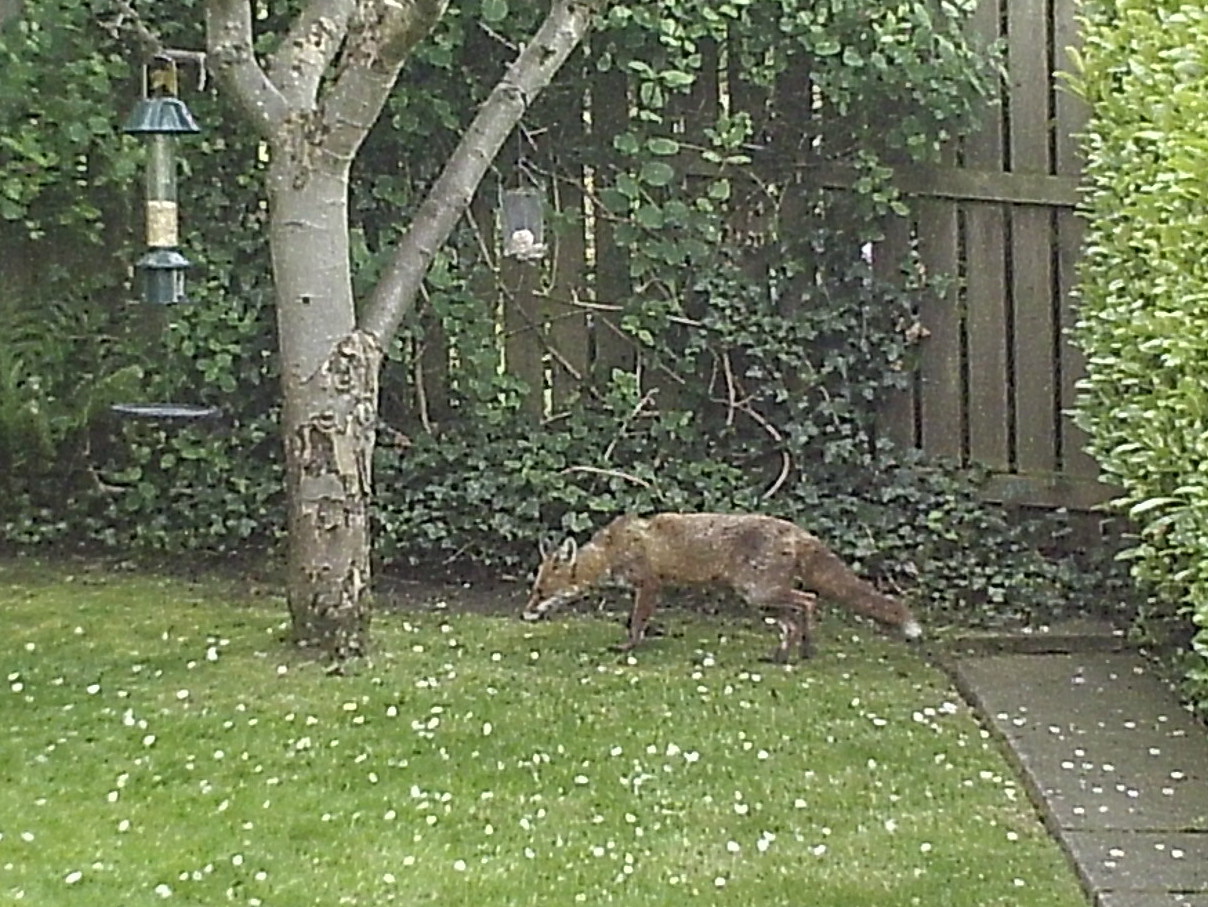
The fox trots down the suburban street at dawn, entirely unbothered. Wild boar root through bins in European suburbs, coyotes raise pups in North American parks, parakeets colonise city trees, and deer treat traffic islands as grazing land. Urban wildlife is no longer an occasional visitor story for the local news. For a growing list of species, the city has become the habitat — and it is us, mostly, who made it attractive.
Understanding why animals are moving in, and how to live alongside them without either panic or sentimentality, is becoming a basic civic skill. At Lapzoo, we cover the meeting point between animals and people, and the urban frontier is where that meeting now happens most often.
Why Cities Suit Wildlife So Well
From an animal’s perspective, a city is a generous landscape. Food waste offers reliable calories in every season. Buildings, bridges and rooftops replicate the cliffs and hollows many species evolved to use — peregrine falcons nest on skyscrapers for the same reason their ancestors chose crags. Artificial light extends feeding hours, the urban heat island softens winters, and, crucially, the large predators that once kept numbers in check are mostly absent. Research highlighted by National Geographic’s wildlife coverage shows that successful urban species tend to be flexible generalists: clever, adaptable and willing to eat almost anything.
There is also push as well as pull. Habitat loss, intensive farming and climate shifts squeeze animals out of the countryside, while green corridors — rivers, railways, canals — lead straight into town. Some urban populations are now genetically distinct from their rural cousins, with city foxes, for example, showing measurable differences shaped by generations of scavenging. The city is not just sheltering wildlife; it is selecting a new kind of it.
Where the Friction Starts
Coexistence is easier in principle than at 3 a.m. when the bins go over. Conflicts are real: raids on rubbish and gardens, noise, traffic collisions, the occasional bold animal that has learned humans mean food, and genuine public-health questions around droppings and disease. Conservation groups such as the International Union for Conservation of Nature note that how people respond to these frictions often determines whether urban populations are tolerated or persecuted, and tolerance is easier when the rules are understood.
The golden rule is that feeding causes more problems than it solves. Animals that associate people with food lose wariness, gather in unnatural numbers and become the “problem animals” that authorities are then pressured to remove. Securing bins, not leaving pet food outside and keeping a respectful distance protect both sides. A wild animal that ignores you is the success story; one that approaches you is usually a tragedy in progress.
Designing Cities That Share Space
The most interesting responses are architectural. Cities are learning to build wildlife in rather than fight it: green roofs and connected parks as habitat networks, wildlife bridges over motorways, swift bricks in new housing, dark-sky lighting that stops confusing migrating birds and insects. Urban ecologists argue these measures are not decoration but infrastructure, supporting pollinators and pest controllers that cities quietly depend on. Even small gardens, managed a little less tidily, become stepping stones across the concrete.
The animals are not going back; the forces that brought them are too large and, in many cases, the urban populations are now self-sustaining. The realistic choice is between an unmanaged collision and a designed coexistence — and the cities doing it well report that residents, once the initial surprise fades, rather like sharing their streets with foxes. For more on urban nature and animal behaviour, see our latest coverage.
