



Camden sits within the Macarthur region where warm summers, mild winters, and reliable seasonal rainfall create conditions that support a wide range of turf varieties. Whether you are laying a lawn from scratch on a new block or renovating a tired existing lawn, taking time to match the right variety to your specific garden will save you considerable effort and expense over the years ahead.
Many homeowners make the mistake of selecting turf based on appearance alone, without properly considering their garden’s actual growing conditions. A variety that thrives in full sun on sandy, free-draining soil will face very different pressures in a shaded garden with compacted clay. Understanding your site before you purchase is the most important step you can take, and it costs nothing.
Getting to know your garden conditions
Start by assessing how much direct sunlight your lawn area receives throughout the day, and how this changes across different seasons. Established trees, fences, and neighbouring buildings all cast shade that can significantly affect turf performance. Spending a few days observing your garden at different times of day will give you a far more accurate picture than a single quick look.
Soil type is equally important and worth investigating before you commit to a variety. Camden soils vary considerably across the region, from light loams to heavy clay profiles that drain poorly after rain. Poorly draining soil creates waterlogged conditions that stress turf roots, encourage fungal problems, and can eventually kill an established lawn if not properly addressed before laying.
Consider also how your lawn will be used day to day. A garden that is regularly used by children and pets demands a hardier, faster-recovering variety than a purely decorative front lawn. Foot traffic, sporting activities, and areas around pools or garden features all place different demands on turf, and the variety you choose should be suited to how the space will actually be lived in.
Talking with an experienced turf supplier in Camden gives you access to practical local knowledge that no amount of online research can fully replace. Suppliers who operate in the Camden area understand the soil types, microclimates, and drainage challenges common to local properties, and can recommend varieties that have consistently performed well in gardens similar to yours.
Comparing turf varieties suited to Camden
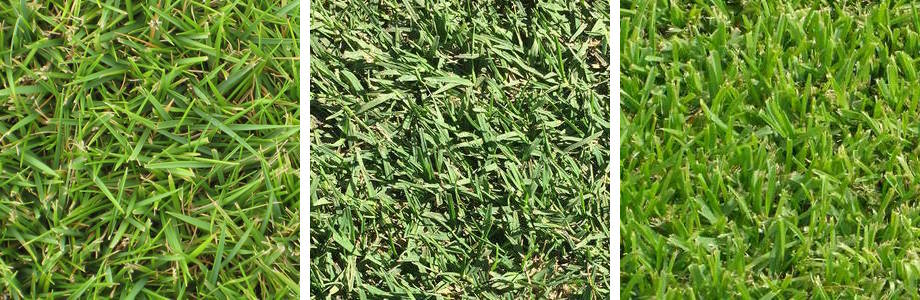
Buffalo grass varieties, particularly Sir Walter DNA Certified, remain the most popular choice across the greater Sydney region and perform well in Camden’s climate. They handle partial shade better than most alternatives, are relatively soft underfoot, and recover well from moderate foot traffic. Their broad leaf and dense growth habit also makes them naturally competitive against most common lawn weeds once established.
Kikuyu is a vigorous, fast-growing option well suited to families who put their lawns through heavy use. It repairs itself quickly after damage and develops a strong, deep root system that gives it excellent drought tolerance once established. The trade-off is that Kikuyu requires more frequent mowing during the warmer growing months and can spread aggressively into garden beds if borders are not properly managed.
Couch grasses offer a finer texture and a more manicured appearance that some Camden homeowners prefer for their front lawns or outdoor entertaining areas. They perform best in full sun and are particularly drought tolerant, making them a practical choice for open, exposed gardens. Regular fertilising through the growing season keeps couch grasses dense, which reduces the opportunity for weeds to establish.
Zoysia varieties are growing in popularity among homeowners looking for a lower-maintenance option that requires less mowing and holds its colour reliably through drier periods. Zoysia establishes more slowly than some alternatives, which means more patience is needed in the first season, but the reduced ongoing maintenance demands make it an appealing long-term investment for busy households.
Preparing the ground before laying
Thorough soil preparation is one of the most significant factors in how quickly and evenly new turf establishes. Begin by removing all existing weeds and their root systems, as any remnants left in the soil will reappear through new turf and become increasingly difficult to manage. A systemic herbicide applied a few weeks before laying can help clear persistent species effectively.
Once the area is clear, cultivate the topsoil to a depth of around 100 millimetres to break up compaction and improve drainage. This also creates a better environment for roots to penetrate and anchor quickly after laying. Just as a website owner might use a blog health check to identify and address weak points before investing in new content, taking stock of your soil’s condition before laying turf gives your lawn the strongest possible foundation.
Incorporate a quality lawn starter fertiliser and some organic matter into the prepared soil to provide the nutrients your turf needs for rapid early establishment. Level the surface carefully, paying particular attention to low points where water tends to pool after rain. A well-graded surface is not only better for drainage but is also significantly easier to mow and maintain in the years to come.
Caring for your new lawn in the first season
Fresh turf should be laid as soon as possible after delivery to prevent the rolls from drying out. Lay each piece in a staggered pattern with joints offset, similar to brickwork, and press the edges firmly into contact with the prepared soil. Butting sections tightly together prevents drying at the joins and limits the opportunity for weeds to establish in the gaps during the vulnerable early weeks.
Water thoroughly immediately after laying, ensuring the soil beneath is fully saturated. For the first two to three weeks, daily watering is essential in warm weather to keep moisture in the root zone while the turf anchors itself into the soil. Early morning watering is preferable as it reduces evaporation losses and limits the conditions that favour fungal disease development.
Avoid walking on newly laid turf until it has rooted firmly, which typically takes around two to three weeks. You can test readiness by giving a corner of the turf a gentle tug — resistance indicates that roots have taken hold. Once established, begin mowing at a higher cut than usual to avoid stressing the young lawn during its first growth flush of the season.
Ongoing care through the first full growing season is what determines how well your lawn matures. Regular fertilising, consistent mowing at the correct height for your chosen variety, and prompt attention to any weeds that appear will help your Camden lawn reach its full potential more quickly. A little investment in maintenance through that first year delivers dividends in lawn quality for many seasons to come.