


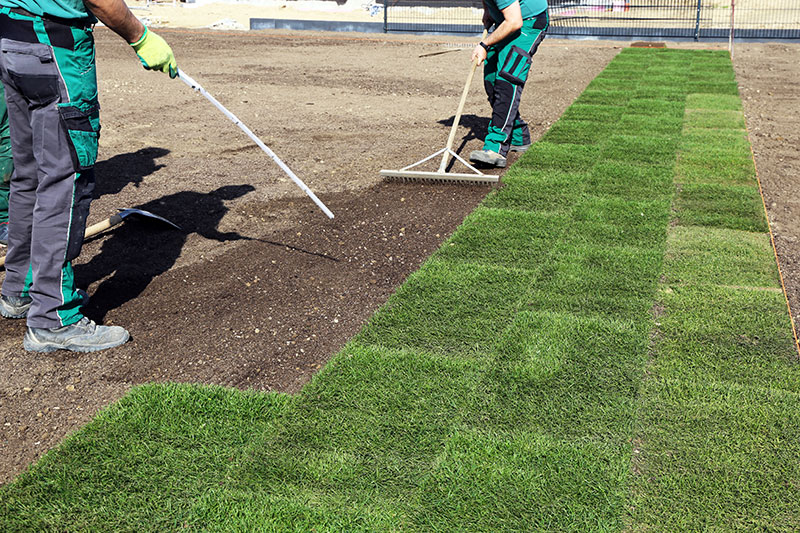
Installing a new lawn on the Fraser Coast can transform the appearance of a property and add genuine value, but the process involves more than simply rolling out turf and watering it in. Whether you are working on a residential garden, a new home build, or a larger landscaping project, understanding what a professional installation involves helps you plan effectively and get the results you are looking for.
Many homeowners who attempt DIY turf installation find that the results fall short of expectations, not because the turf itself was poor quality but because the groundwork was not carried out properly. Uneven surfaces, inadequate soil preparation, and incorrect watering in the establishment period are among the most common reasons new lawns struggle to perform. Professional installation addresses all of these factors systematically.
Why professional installation makes a difference
Experienced installers bring equipment and expertise that most homeowners simply do not have access to on a DIY basis. Professional-grade cultivation equipment can break up compacted soil to a depth and consistency that a standard garden fork cannot achieve, creating a root environment that allows new turf to establish far more quickly and evenly than it would in inadequately prepared ground.
Professional installers also understand the specific soil and drainage conditions common to Fraser Coast properties, which vary considerably across the region. Properties close to the coast often have sandy, free-draining soils that dry out quickly and need amendment to retain adequate moisture. Inland areas can have heavier soil profiles that require different preparation to ensure good drainage and avoid waterlogging after seasonal rainfall.
There is also a significant practical advantage in terms of time and physical effort. Large-scale turf installation is demanding work, particularly in warm weather. Professionals can complete an installation that would take a homeowner a full weekend in a fraction of the time, ensuring the turf is laid, watered, and appropriately cared for before it has a chance to dry out and deteriorate.
Choosing a reliable Hervey Bay turf installer means you are working with people who have laid turf across a wide range of local properties and conditions. This experience translates into practical decisions about variety selection, soil preparation depth, installation sequencing, and the advice they can offer on establishing and maintaining your lawn through the critical first weeks.
Preparing your site before installation day
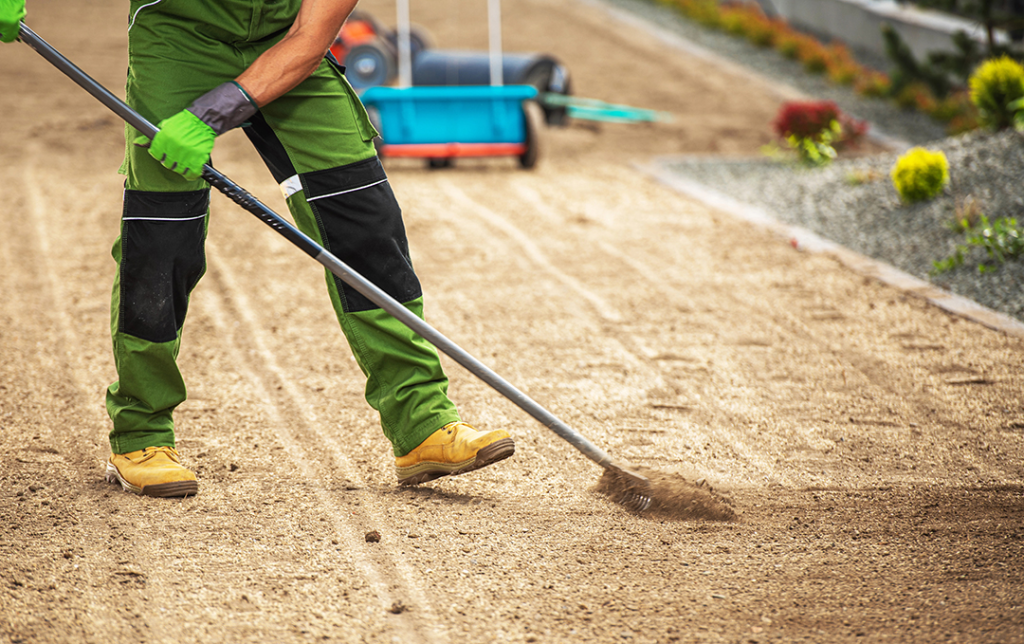
Good preparation before the installation team arrives makes a meaningful difference to the final result. Clear the area of any existing grass, weeds, rocks, or debris, as this reduces the work required on the day and ensures the installation proceeds without interruption. If there are garden beds, irrigation lines, or other features near the work area, let the installer know in advance so they can work around them.
Access to the site is also worth thinking about ahead of time. Installation teams often need to bring equipment and roll large quantities of turf through gates or along pathways. Measuring any access points and communicating the site layout clearly beforehand helps avoid delays and ensures the day runs as smoothly as possible for everyone involved.
If your property has drainage issues, poor soil, or significant slopes, it is worth discussing these with the installer before the job begins rather than discovering problems on the day. Addressing underlying drainage or grading issues before turf is laid is far more cost-effective than dealing with problems after establishment has begun and the lawn is already in place.
On the day itself, the installation team will typically begin by cultivating and grading the prepared area, adding any recommended soil amendments, and levelling the surface before laying the first rolls of turf. Having a water source readily available and the area accessible from the delivery point will help the job proceed efficiently.
The installation process step by step
Professional installers begin by assessing the prepared area and making any final adjustments to the grading and soil condition. Turf rolls are delivered to site and positioned strategically so they can be laid efficiently without being moved excessive distances, which reduces the time the turf spends off the ground and exposed to drying conditions.
Rolls are laid in a staggered pattern with joints offset to prevent continuous seam lines across the lawn. Each piece is pressed firmly into the prepared soil to ensure good contact and eliminate air pockets beneath the turf. This attention to technique is similar in principle to the way quality work in any field — from turf laying to managing a website with strong content freshness — depends on getting the foundational elements right before adding the finishing layers.
Once all the turf is laid, installers will typically roll the surface to further improve soil contact and ensure good adhesion. The lawn is then watered thoroughly to saturate the root zone and initiate the establishment process. Most professional installers will provide clear guidance on watering requirements and timing to give the new lawn the best possible start.
Establishing and maintaining your new lawn
The first two to three weeks after installation are the most critical for a new lawn. During this period, the turf needs consistent moisture to anchor its roots into the prepared soil below. Daily watering is generally required in warm weather, with the timing adjusted to avoid midday heat that increases evaporation. Early morning is typically the most effective time.
Avoid walking on the new lawn during the establishment period, as foot traffic compresses the turf before its roots have anchored and can lead to uneven growth or surface damage. You can generally gauge readiness by attempting a gentle tug on a corner of the turf — resistance indicates that root establishment is underway and the lawn is beginning to anchor securely.
Once the turf has rooted, begin transitioning to a deeper but less frequent watering schedule. This encourages roots to grow deeper into the soil profile in search of moisture, which makes the lawn significantly more resilient through dry periods. Deep, infrequent watering is one of the most effective long-term practices for maintaining a healthy, drought-tolerant Fraser Coast lawn.
Fertilising your lawn around four to six weeks after installation helps support continued root development and top growth. Use a product appropriate for your chosen turf variety and the current season. With the right care through the first growing season, a professionally installed Fraser Coast lawn establishes quickly into a healthy, attractive surface that rewards consistent maintenance for years to come.