


The gaming world is moving through one of the fastest technological transformations in history. What once required expensive consoles and physical discs is now becoming fully digital, cloud-based, and accessible from almost any device. Over the next five years, gaming is expected to evolve into a more immersive, intelligent, and interconnected ecosystem. These changes will not only improve how games look and play but also redefine how people socialize, compete, and even learn through gaming.
One of the most important future features of the gaming world will be the full expansion of cloud gaming systems. Instead of relying on powerful hardware, players will stream games directly from remote servers. This means even basic smartphones or low-end laptops will be able to run high-end games smoothly. As internet infrastructure improves globally, cloud gaming will become more stable, reducing lag and loading times. This shift will make gaming more accessible to millions of new users who previously could not afford expensive gaming setups.
Another major transformation will be the rise of ultra-realistic graphics powered by advanced rendering engines and artificial intelligence. In the next five years, game visuals are expected to become nearly indistinguishable from real life. Lighting effects, character animations, and environmental details will be more realistic than ever before. AI-assisted design tools will help developers create dynamic worlds that change based on player actions, making every gaming experience unique and unpredictable.
Mobile gaming will continue to dominate the industry and become even more powerful. Smartphones are expected to reach performance levels similar to gaming consoles, allowing players to enjoy high-quality games on the go. Mobile platforms will also benefit from faster processors, improved cooling systems, and enhanced battery technology. Even casual gaming experiences, including trending mobile entertainment such as slot gacor style games, will become more visually advanced and interactive, offering smoother gameplay and richer features.
Artificial intelligence will play a central role in shaping the future of gaming. AI will be used to create smarter non-player characters (NPCs) that can react naturally to player behavior. Instead of predictable patterns, enemies and teammates will adapt dynamically during gameplay. AI will also personalize gaming experiences by adjusting difficulty levels, recommending content, and even generating custom storylines based on player choices. This will make games feel more responsive and engaging.
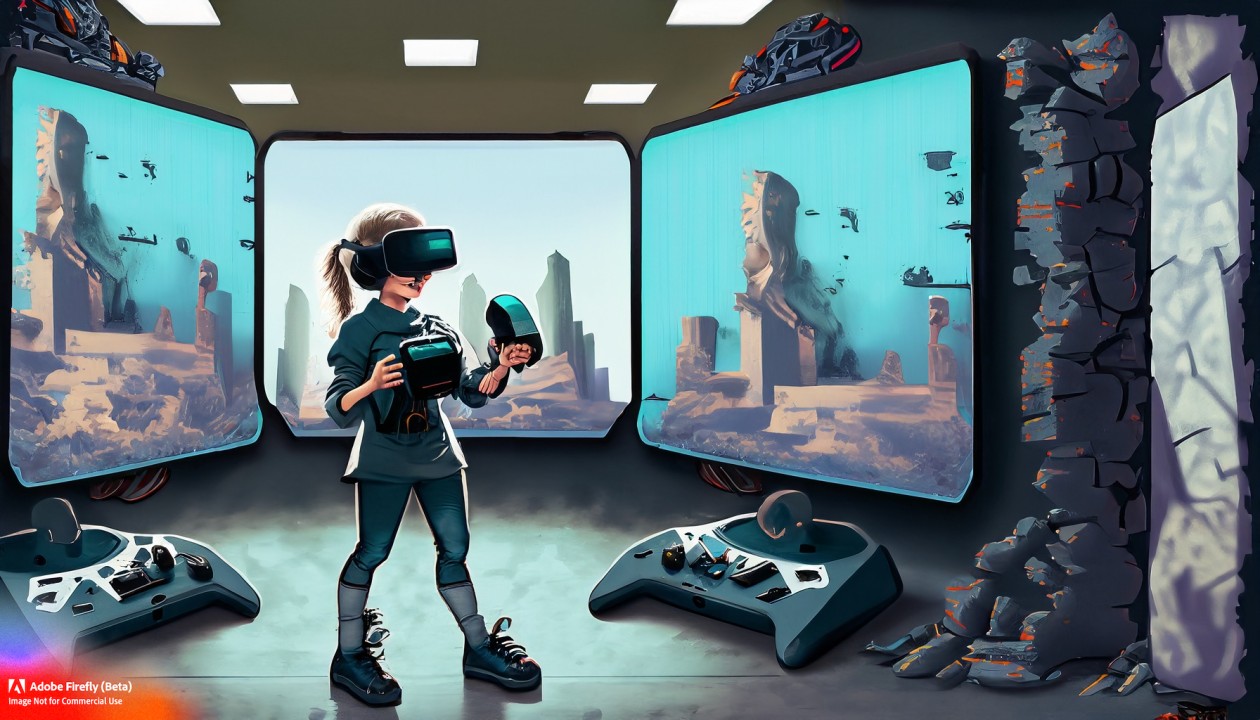
Virtual reality (VR) and augmented reality (AR) technologies are also expected to become mainstream within the next five years. VR will allow players to fully enter digital environments and interact with them physically using motion controls or wearable devices. This will create a deeper sense of immersion, especially in adventure, simulation, and exploration games. AR, on the other hand, will blend digital elements with the real world, turning everyday surroundings into interactive gaming spaces. These technologies will redefine what it means to “play” a game.
The concept of the metaverse will also continue to develop and influence gaming ecosystems. Future gaming platforms may evolve into large virtual worlds where players can socialize, attend events, shop, and even work. These environments will combine entertainment with digital lifestyle experiences. Players will be able to create personalized avatars, own virtual property, and participate in global communities inside these interconnected spaces. Gaming will no longer be just a hobby but a digital universe of its own.
Esports will experience massive growth over the next five years. Competitive gaming will become more organized, with professional leagues, international tournaments, and structured training systems. Advanced analytics and AI coaching tools will help players improve their performance. Esports events will continue attracting huge global audiences, both online and in physical stadiums. As recognition grows, esports players will gain similar fame and sponsorship opportunities as traditional athletes.
Blockchain technology is also expected to become more integrated into gaming systems. Players will gain true ownership of in-game items such as skins, weapons, and collectibles through digital assets. These items may be traded securely across platforms, creating a real digital economy within gaming ecosystems. Transparency and security will improve, allowing players to trust the fairness of in-game transactions.
Another important feature of future gaming will be enhanced social connectivity. Communication tools will become more advanced, with real-time voice translation allowing players from different countries to interact without language barriers. Social gaming environments will become more interactive, allowing players to collaborate, compete, and build communities more easily than ever before. Gaming will continue to evolve into a global social platform.
Emotion-based gaming systems may also emerge in the next five years. Using sensors or AI-driven analysis, games may be able to detect player emotions such as excitement, frustration, or stress. Based on this feedback, the game could adjust its difficulty or storyline to create a better experience. This emotional intelligence will make gaming more personalized and human-centered.
Security and fairness will also improve significantly. Anti-cheat systems powered by artificial intelligence will detect unfair behavior in real time. Online platforms will also strengthen data protection and account security to prevent hacking and fraud. This will create safer environments for both casual and competitive players.
Gaming will also become more integrated into everyday life beyond entertainment. Educational games, fitness-based games, and professional training simulations will become more common. Schools and companies may use gaming technology for learning, skill development, and virtual collaboration. This expansion will make gaming a more practical tool in addition to being a form of entertainment.
Mobile internet improvements, especially with the expansion of 5G and future 6G networks, will significantly enhance online gaming performance. Faster speeds and lower latency will make multiplayer gaming smoother and more responsive. Cloud gaming and real-time interaction will become more stable, allowing players to enjoy high-performance experiences without interruptions.
In conclusion, the gaming world over the next five years will be defined by innovation, accessibility, and deeper immersion. Technologies such as cloud gaming, artificial intelligence, virtual reality, and blockchain will reshape how games are created and played. Mobile gaming and trends like slot gacor will continue evolving into more advanced and interactive experiences, contributing to the growth of a massive global gaming ecosystem. As these technologies develop, gaming will become more than just entertainment—it will become a fully integrated part of digital life, connecting people, cultures, and experiences across the world.